Fast Read
A good solar battery warranty in Australia is for 10 years and guarantees the battery will retain at least 60-70% of its original storage capacity by the end of that period. Key brands like the Tesla Powerwall 3, Sungrow SBR series, and BYD Battery Box all offer a standard 10-year warranty. The total cost of a quality 10kWh battery installation ranges from $11,000 to $18,000, but the federal government's Cheaper Home Batteries Program can reduce this outlay, making the typical payback period 5-7 years for many households. It's crucial to look beyond just the years and compare the 'energy throughput'—the total energy the battery is guaranteed to cycle—to ensure the warranty aligns with your expected usage.
Understanding solar battery warranties in Australia
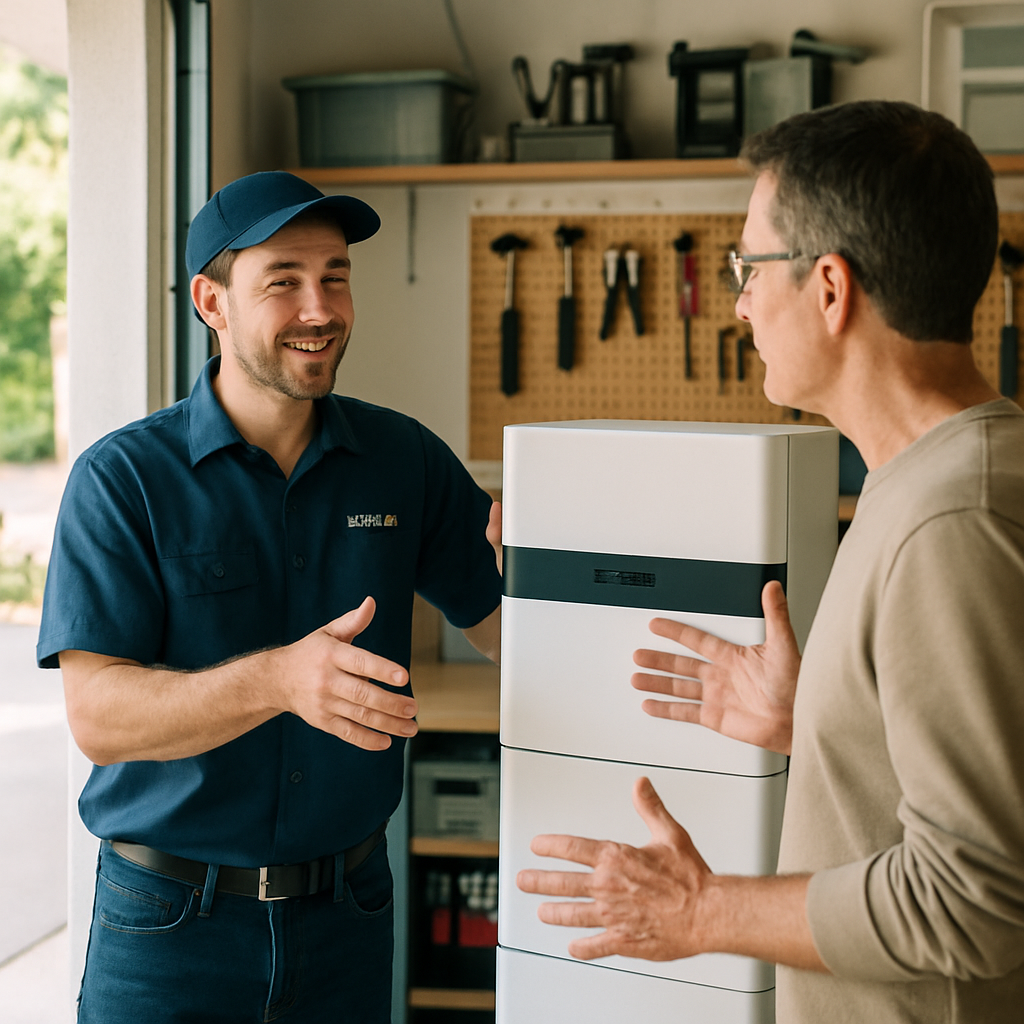
When you invest in a home battery, you’re buying a decade or more of energy security. The warranty is the manufacturer’s promise that your investment will perform as expected. In Australia, the industry standard for a solar battery warranty is 10 years. This covers you against defects and guarantees a certain level of performance over that time.
However, not all 10-year warranties are created equal. There are three critical components you need to look at to understand what you’re really getting:
-
Warranty Period (Years): This is the most straightforward metric. The standard is 10 years, though some premium models may offer longer terms.
-
End-of-Warranty Capacity: Batteries naturally lose storage capacity over time. Manufacturers guarantee your battery will retain a certain percentage of its original usable capacity by the end of the warranty period. A good figure to look for is 70% or more.
-
Energy Throughput or Cycles: This is perhaps the most important and often overlooked detail. It’s the total amount of energy the manufacturer guarantees the battery will charge and discharge in its lifetime, usually measured in megawatt-hours (MWh) or cycles. A high-usage household might hit their throughput limit before the 10-year period is up, ending the warranty early.
Gigi’s Pro Tip: Always check the throughput warranty. A battery warrantied for 30MWh of throughput means a 10kWh battery can handle roughly 3,000 full cycles. If you cycle it fully every day, you’ll reach this limit in about 8.2 years, not 10. For most households, one cycle per day is typical, but it’s a crucial detail to check.
Tesla Powerwall warranty Australia
The Tesla Powerwall 3 is one of Australia’s most popular home batteries, and its warranty is a key part of its appeal. It comes with a standard 10-year warranty period.
Key features of the Tesla Powerwall 3 warranty include:
-
Duration: 10 years.
-
Capacity Retention: Guarantees the Powerwall will retain at least 70% of its original 13.5kWh usable capacity after 10 years.
-
Cycles: For standard solar self-consumption, Tesla offers unlimited cycles. This is a significant benefit, as you don’t have to worry about “using up” your warranty.
-
Throughput Limit: If the battery is used for more advanced applications like participating in a Virtual Power Plant (VPP), a throughput limit of 37.8MWh applies.
One condition I always highlight to homeowners is the internet connectivity requirement. The Powerwall must remain connected to the internet for remote monitoring and firmware updates to maintain the full 10-year warranty. If it’s disconnected for an extended period, the warranty could be limited to just four years.
Sungrow solar battery warranty Australia
Sungrow has become a go-to for homeowners looking for a great balance of performance and value. Their modular SBR (Solar Battery Residential) series is a common sight in the quotes I analyse.
The Sungrow SBR battery warranty includes:
-
Duration: 10 years for defects in materials and workmanship.
-
Capacity Retention: Guarantees the battery will retain at least 60% of its initial usable capacity.
-
Throughput Limit: The warranty is valid for 10 years or until a specific energy throughput is reached, whichever comes first. For example, the popular 9.6kWh SBR096 model has a minimum throughput of 40.32MWh.
For a typical household cycling the battery once per day, this throughput is generous and means the warranty will almost certainly last the full 10 years. From my discussions with installers, Sungrow’s strong local support in Australia is also a major plus for handling any potential claims.
LG Chem RESU solar battery warranty Australia
LG Energy Solution (formerly LG Chem) has been a trusted name in the battery market for years. Their RESU (Residential Energy Storage Unit) batteries are known for their compact design and reliability.
The warranty for the LG RESU Prime series is comprehensive:
-
Duration: 10 years from the date of installation.
-
Capacity Retention: LG guarantees the battery will retain at least 70% of its nominal energy for the RESU Prime models (e.g., RESU10H and RESU16H). For some older models, this figure is 60%.
-
Throughput Limit: The 10-year warranty is also subject to a throughput limit. For example, the RESU10 (9.8kWh) has a throughput warranty of 30MWh.
It’s important to note that LG batteries must be installed by a certified installer and paired with an approved inverter to keep the warranty valid.
BYD solar battery warranty Australia
BYD (Build Your Dreams) is a global giant in battery manufacturing, and their modular Battery-Box Premium range is highly regarded for its safety and flexibility.
The BYD Battery-Box warranty offers solid protection:
-
Duration: A 10-year product warranty.
-
Capacity Retention: Guarantees the battery will retain at least 60% of its usable energy over the 10-year period.
-
Cycles/Throughput: The warranty covers one full cycle per day, which aligns with typical household use.
BYD is known for using Lithium Iron Phosphate (LFP) cell chemistry, which is recognised for its stability and long lifespan, adding another layer of confidence beyond the warranty document.
Solar battery warranty comparison
To make things simple, here’s a table comparing the key warranty specs for the most popular battery models I see on the Australian market.
| Feature | Tesla Powerwall 3 | Sungrow SBR (9.6kWh) | LG RESU Prime (10H) | BYD Battery-Box Premium |
|---|---|---|---|---|
| Warranty Period | 10 Years | 10 Years | 10 Years | 10 Years |
| Usable Capacity | 13.5 kWh | 9.6 kWh | 9.6 kWh | 8.3-22.1 kWh (modular) |
| Capacity Retention | ≥ 70% | ≥ 60% | ≥ 70% | ≥ 60% |
| Throughput Limit | Unlimited (for self-consumption) | 40.32 MWh | ~32 MWh | 1 cycle per day equivalent |
| Chemistry | LFP | LFP | NMC | LFP |
Case Study: A Family in The Gap The Kumar family was facing quarterly power bills of over $600. They installed a 6.6kW system with Trina panels and a 10kWh Sungrow battery for a total cost of $15,500. After the federal battery rebate, their outlay was closer to $11,500. Their annual savings are now over $2,200, putting them on track for a payback period of just over 5 years, and their last bill was only the daily grid connection fee.
Product warranty vs performance warranty explained
When you look at a solar panel or battery warranty, you’ll often see two parts: the product warranty and the performance warranty. It’s crucial to understand the difference.
-
Product Warranty: This covers defects in the physical product itself. Think of it as a guarantee against manufacturing faults, premature failure of components, or issues with the casing. If the battery unit simply stops working due to a fault, this is the warranty that covers its repair or replacement. For most quality batteries in Australia, this is 10 years.
-
Performance Warranty: This guarantees the battery’s performance over time. It promises that the battery’s ability to hold a charge won’t degrade below a specified level within the warranty period. For example, a guarantee of 70% capacity retention after 10 years is a performance warranty.
For a battery, both are equally important. A product warranty protects you from a sudden failure, while the performance warranty ensures your investment continues to deliver meaningful storage capacity for the long haul.
The power of Australian Consumer Law
Beyond any manufacturer’s warranty, your purchase is also protected by Australian Consumer Law (ACL). The ACL provides a set of consumer guarantees that ensure products are of acceptable quality, fit for purpose, and last a reasonable amount of time.
This is your safety net. It means that even if a specific issue isn’t covered by the manufacturer’s warranty, or if the manufacturer is difficult to deal with, you still have rights. For a significant investment like a solar battery, which is expected to last for a long time, these guarantees are very powerful. If a battery fails after six years, it could be argued that it hasn’t lasted a “reasonable time,” regardless of what the fine print says.
A common mistake I see homeowners make is forgetting this. Always remember your installer and the product manufacturer have obligations under the ACL that exist alongside the written warranty. Make sure you choose a reputable installer with accreditation from Solar Accreditation Australia (SAA) who will be there to help you navigate a claim if needed.
Choosing the right battery can feel overwhelming, but understanding the warranty is a huge step toward making a confident decision. If you’d like to compare quotes from trusted, SAA-accredited installers in your area, I can help. Just fill out the form below to get started.