Fast Read
A typical 6.6kW solar quote in Brisbane for 2025 will range from $5,000 to $9,000 after the federal rebate. A good quote will break down the costs for specific Tier 1 solar panels, like Trina or REC, and a quality inverter from brands such as Sungrow or Fronius. It should also include installation by a Solar Accreditation Australia (SAA) certified professional, performance estimates, and all warranty details. Understanding key factors like solar feed-in tariffs in South East Queensland, which typically range from 5c to 12c per kWh, is crucial for calculating your savings and payback period.
A solar quote arriving in your inbox is an exciting step towards lowering your power bills and embracing renewable energy. But let’s be honest, it can also feel like reading a foreign language filled with technical jargon, brand names, and complex calculations. From my analysis of dozens of system quotes for Brisbane homeowners, I know the confusion is real.
My goal here is to translate that complexity into simple, actionable knowledge. We’ll break down a typical solar quote line by line so you can compare offers confidently and make a smart, long-term investment for your home.
Key components every Brisbane solar quote must include

When you first open a solar panel installation quote, it can be overwhelming. A quality, transparent quote should be well-structured and leave no room for guesswork. From the big-ticket items to the fine print, here’s a checklist of what you should expect to see clearly itemised.
-
System Size (kW): This specifies the total power capacity of your solar panels. A 6.6kW system is the most common choice for Brisbane homes.
-
Solar Panels: The quote must list the exact brand, model number, and quantity of panels.
-
Inverter: The brand and model of the inverter should be clearly stated. This device is the heart of your system, converting the DC power from your panels into AC power for your home.
-
Mounting System: Details the brand and type of racking used to secure the panels to your roof. This is a critical component for ensuring the structural integrity and longevity of your system.
-
Total Cost & Breakdown: A clear, itemised breakdown of costs for hardware, installation, and any additional charges. It should also clearly show the federal Small-scale Technology Certificate (STC) rebate applied as a point-of-sale discount.
-
Performance Estimate: An estimate of how much electricity (in kWh) the system is expected to generate annually.
-
Warranty Information: Separate warranty details for the panels (product and performance), the inverter, and the installer’s workmanship.
-
Installation Details: Confirmation that the installation will be performed by a Solar Accreditation Australia (SAA) accredited professional.
How to read solar panel specifications on your quote
The “engine” of your system is the panels themselves. Two quotes might be for the same system size but feature different panels with vastly different performance characteristics and prices. Here are the key specifications to focus on.
-
Efficiency (%): This measures how effectively a panel converts sunlight into electricity. Higher efficiency means more power from a smaller area, which is ideal for homes with limited roof space.
-
Power Output (Watts): This is the panel’s rated power under ideal test conditions. Multiplying this by the number of panels gives you your total system size.
-
Temperature Coefficient: This is particularly important for Brisbane’s climate. It shows how much the panel’s output will decrease for every degree Celsius above 25°C. A lower number is better, indicating stronger performance in the heat.
-
Warranties: Panels come with two warranties. The product warranty (typically 15-25 years) covers defects in manufacturing, while the performance warranty (25-30 years) guarantees the panel will still produce a certain percentage of its original output after a set period.
To illustrate, here’s a quick comparison of two popular panel types you might see on a quote:
| Feature | Great Value (e.g., Trina Solar) | Premium (e.g., REC) |
|---|---|---|
| Efficiency | ~21-22% | ~22-23% |
| Temperature Coefficient | ~ -0.34%/°C | ~ -0.26%/°C |
| Product Warranty | 15-25 Years | 25 Years |
| Performance Warranty | 25 Years (guarantees ~84.8% at year 25) | 25 Years (guarantees ~92% at year 25) |
Comparing solar inverter brands and warranties
If solar panels are the engine, the inverter is the brain. It’s a sophisticated piece of electronics responsible for power conversion, system monitoring, and grid interaction. Choosing a reliable inverter with strong local support is crucial, as industry data shows inverter issues are a common point of failure.
In Australia, you’ll frequently see these trusted brands on quotes:
-
Premium: Fronius and SMA are top-tier European brands known for their reliability and performance. Fronius is particularly praised for its active cooling system, which helps it perform well in hot climates.
-
Great Value: Sungrow has become a dominant player in the Australian market, offering high-quality, reliable inverters at a more accessible price point.
-
Smart & Microinverters: Brands like Enphase and SolarEdge offer solutions where each panel is managed individually. These are excellent for roofs with shading issues but come at a higher cost.
Gigi’s Pro Tip: An inverter’s warranty is a key indicator of its quality. Look for a minimum 10-year warranty. Some brands offer a “5+5” year warranty, where the first five years cover parts and labour, and the second five cover parts only. Always clarify this with your installer and check if the brand has a service team based in Australia to avoid long downtimes if a claim is needed.
The average cost of a 6.6kW solar system in Brisbane
For most Brisbane households, a 6.6kW system hits the sweet spot for balancing cost and energy production. In 2025, the out-of-pocket cost for a quality 6.6kW solar system in Brisbane typically ranges from $5,000 to $9,000.
This price includes the federal STC rebate and can vary based on:
-
Quality of Components: Premium panels and European inverters will be at the higher end of the range.
-
Installation Complexity: Difficult-to-access roofs, two-storey homes, or tile roofs may increase labour costs.
-
Installer Reputation: Established installers with a strong track record may charge more, but this often buys peace of mind and better after-sales support.
What’s included in a standard Brisbane solar installation?
The quote’s price should be all-inclusive for a standard installation. The process generally starts with a site assessment to confirm your roof’s suitability.
A standard installation package should cover:
-
Supply and professional installation of all components (panels, inverter, racking, wiring).
-
Installation by an SAA-accredited team.
-
Arrangement of all grid connection paperwork with your electricity distributor (Energex in South East Queensland).
-
Final testing, commissioning, and a handover where the installer shows you how the system and monitoring app work.
How to calculate your solar payback period from a quote
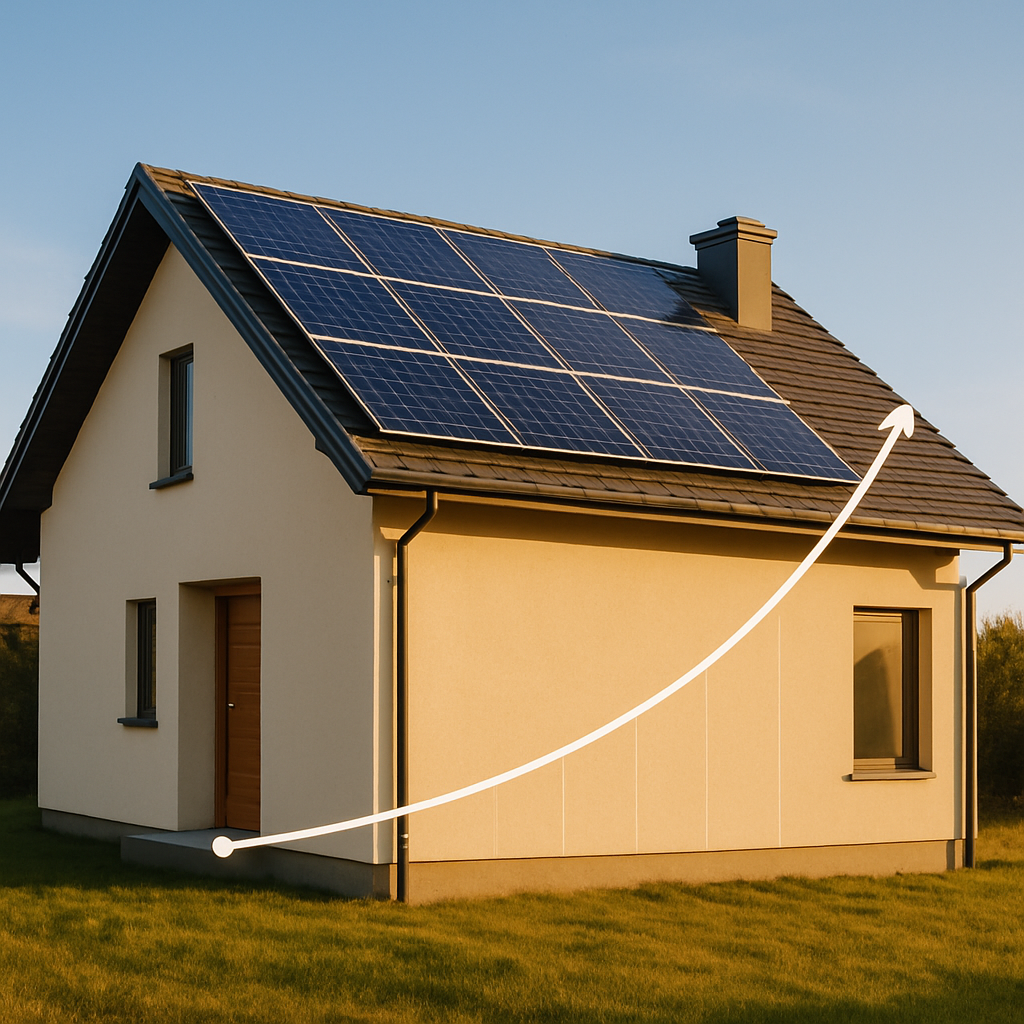
The payback period is the time it takes for your savings to equal your initial investment. Your quote should provide an estimate, but it’s empowering to understand the maths yourself.
The simple formula is: Total System Cost / (Annual Bill Savings + Feed-in Tariff Earnings) = Payback Period in Years
A good installer will help you estimate your “self-consumption rate”—the percentage of solar power you use directly. This is the most valuable solar power because it offsets electricity you would have otherwise bought from the grid at a high rate (e.g., 30c/kWh).
Case Study: A Family in The Gap The Kumar family was facing quarterly power bills of over $600. They installed a 6.6kW system with Trina panels and a 10kWh Sungrow battery for a total cost of $15,500. After the federal battery rebate, their outlay was closer to $11,500. Their annual savings are now over $2,200, putting them on track for a payback period of just over 5 years, and their last bill was only the daily grid connection fee.
Explaining solar feed-in tariffs in South East Queensland
A solar feed-in tariff (FiT) is the small credit your electricity retailer pays you for any excess solar energy you export to the grid. In South East Queensland (the Energex network), FiTs are not government-regulated and vary between retailers.
As of late 2025, typical FiT rates range from 5c to 12c per kWh. While it’s tempting to chase the highest FiT, remember that the rate you pay for electricity is much higher. Therefore, maximising your self-consumption by running appliances during the day will always deliver bigger savings than exporting power.
Watch out for these common hidden costs
A transparent quote should be all-inclusive, but it’s wise to be aware of potential extra charges that might not apply to a “standard” installation.
-
Meter Box Upgrade: Older homes may have switchboards that aren’t compliant with current standards and will need upgrading at an additional cost.
-
Difficult Access: A very steep roof or a multi-storey property might require extra safety equipment like scaffolding.
-
Roof Repairs: If your roof has broken tiles or is in poor condition, these repairs should be done before the solar installation.
-
Removal of an Old System: If you are replacing an existing solar system, there will be costs associated with decommissioning and removing the old one.
Key questions to ask your Brisbane solar installer
Before you sign on the dotted line, arm yourself with a few key questions. A reputable installer will be happy to provide clear answers.
-
Are you an SAA Approved Solar Retailer and will the installers be SAA accredited?
-
Who handles a warranty claim if the manufacturer is no longer in business?
-
What is the exact model of panels and inverter you are quoting? Can you provide the datasheets?
-
Is your installation team in-house, or do you use subcontractors?
-
Does the quote include all costs for grid connection and metering changes?
-
Can you provide references or show me examples of your work in my local area?
Why SAA accreditation matters more than ever
You will see the term “CEC accredited” in older articles, but the industry landscape has changed. As of early 2024, Solar Accreditation Australia (SAA) is the new governing body responsible for accrediting installers under the federal government’s Small-scale Renewable Energy Scheme (SRES).
Using an SAA-accredited installer is non-negotiable. It is a mandatory requirement to claim the STC rebate, and it provides assurance that your system will be installed safely and to the highest Australian standards.
Making the decision to go solar is a big one, but understanding your quote shouldn’t be the hardest part. By focusing on quality components, comprehensive warranties, and a reputable SAA-accredited installer, you can ensure your investment pays off for decades to come.
If you’re feeling overwhelmed by comparing quotes or just want a quick sense of what’s possible for your home, I’m here to help. For those ready to take the next step, I can connect you with trusted local solar experts who can provide a detailed, obligation-free solar quote for your Brisbane home.