Fast Read
Choosing the right solar installer in Brisbane is the most critical step in your solar journey. The best approach is to select an installer who is accredited by Solar Accreditation Australia (SAA), holds a valid Queensland electrical license, provides detailed and transparent quotes, and has positive, consistent customer reviews. Focusing on these key areas ensures your system is safe, high-quality, and eligible for government rebates, delivering long-term value for your home.
With our beautiful sunshine, it’s no surprise that Brisbane has one of the highest rates of rooftop solar in the country. Tapping into that sunshine is a fantastic way to cut your power bills, but the success of your investment rests almost entirely on one thing: choosing a great `solar installer in Brisbane`.
The process can feel a little overwhelming with so many companies out there. How do you sort the experts from the cowboys? I’ve put together this guide to walk you through the essential checks, the right questions to ask, and the red flags to watch out for.
How to choose a solar installer in Brisbane
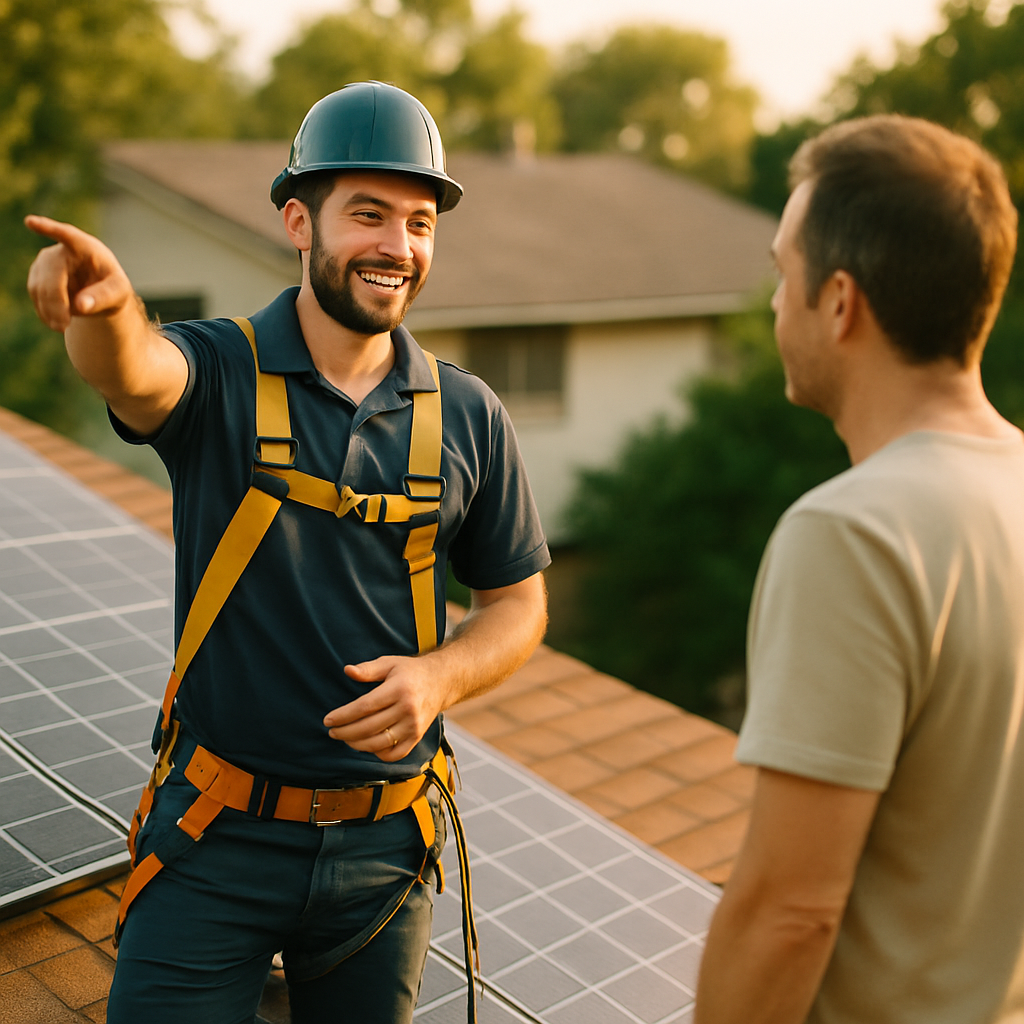
Finding a trustworthy installer is about more than just a good price. It’s about ensuring safety, quality, and long-term support. A reliable installer will help you navigate everything from system design to grid connection. Here’s a simple checklist to get you started:
- Verify their accreditation: The installer must be accredited by Solar Accreditation Australia (SAA). This is non-negotiable and essential for claiming government rebates.
- Check their license: In Queensland, they must hold a valid electrical contractor license.
- Get multiple quotes: Aim for at least three detailed, itemised quotes to compare apples with apples.
- Read reviews: Look for consistent, positive feedback on independent sites.
- Understand the warranties: Clarify the warranties on both the products and the installer’s workmanship.
Best solar installers Brisbane
While I can’t name one single “best” installer—because the right choice depends on your specific needs—I can tell you what the best companies have in common.
Top-tier Brisbane solar installers stand out through:
- Exceptional communication: They take the time to answer your questions clearly and don’t use high-pressure sales tactics.
- Quality components: They recommend and use reliable panels and inverters from reputable manufacturers with strong Australian support.
- Transparent quoting: Their quotes are detailed, breaking down the costs for panels, inverters, mounting, and labour, with no hidden surprises.
- In-house teams: Many of the best installers use their own dedicated teams rather than subcontracting out the work, which provides better quality control.
- Aesthetic pride: They care about how the system looks on your roof, ensuring panels are straight and cabling is neat.
A great installer acts as a long-term partner, not just a one-off contractor.
Solar Accreditation Australia (SAA) accredited installers Brisbane
This is the most important check you will make. As of early 2024, Solar Accreditation Australia (SAA) is the official body for accrediting solar installers and designers. The previous scheme run by the Clean Energy Council (CEC) has ceased.
Why is this crucial?
- Eligibility for rebates: To receive Small-scale Technology Certificates (STCs)—the government incentive that significantly reduces the upfront cost of your system—your system must be installed by an SAA accredited professional.
- Safety and quality standards: SAA accreditation means the installer has undergone the necessary training and is committed to upholding industry best practices and Australian Standards.
You should always ask an installer for their SAA accreditation number and verify it on the [SAA website](https://www.solaraccreditation.com.au/consumers/check-installer-accreditation-status/).
How to check a solar installer’s license in Queensland
Beyond solar-specific accreditation, your installer must be a licensed electrical contractor in Queensland. This is a legal requirement for any electrical work, including solar installations.
You can verify a company’s license using these official online tools:
- Queensland Building and Construction Commission (QBCC): They have an online license search.
- Electrical Safety Office (ESO): You can also check their registration here.
Asking for a company’s QBCC or electrical license number and checking it takes only a few minutes and gives you peace of mind that you’re dealing with a legitimate and qualified business.
Questions to ask a solar installation company
When you’re talking to potential installers, being prepared with the right questions can reveal a lot about their experience and professionalism. Here are some essential questions to ask:
- Can you please provide your SAA accreditation number and your QBCC electrical contractor license number?
- Who will be doing the physical installation? Are they your direct employees or subcontractors?
- What brands of panels and inverters do you recommend for my home, and why?
- Can you provide a detailed, itemised quote with a full breakdown of costs?
- What is your workmanship warranty, how long does it last, and what does it cover?
- How do you handle warranty claims for the panels or inverter if something goes wrong?
- Will you handle the grid connection application with Energex on my behalf?
- Can you provide references from recent installations in my area?
A reputable installer will be happy to answer all these questions and more.
Average cost of 6.6kW solar system Brisbane 2025
For a typical Brisbane home, a 6.6kW system is the most popular size as it hits a sweet spot for value and performance.
As of October 2025, the average price for a fully installed 6.6kW solar system in Brisbane is between $5,200 and $6,000. This price is after the federal STC rebate has been applied.
The final cost can vary depending on several factors:
- Quality of components: Premium panels and inverters cost more than budget options.
- Roof complexity: Difficult-to-access roofs, steep pitches, or terracotta tiles can increase labour costs.
- Installer reputation: More experienced installers with strong warranties may charge slightly more, but it’s often worth the investment.
Be cautious of quotes that are significantly cheaper than this range, as they may be cutting corners on product quality or installation standards.
Brisbane solar installer reviews and complaints
Reading independent reviews is a great way to gauge an installer’s track record. Look for reviews on platforms like Google, ProductReview.com.au, and solar-specific forums.
When reading reviews, look for patterns. A single negative review isn’t necessarily a deal-breaker, but a consistent theme of poor communication, installation issues, or non-existent after-sales support is a major red flag. Also, pay attention to how the company responds to any negative feedback.
For more formal checks, you can see if a company has a history of complaints with the QBCC or the Office of Fair Trading Queensland.
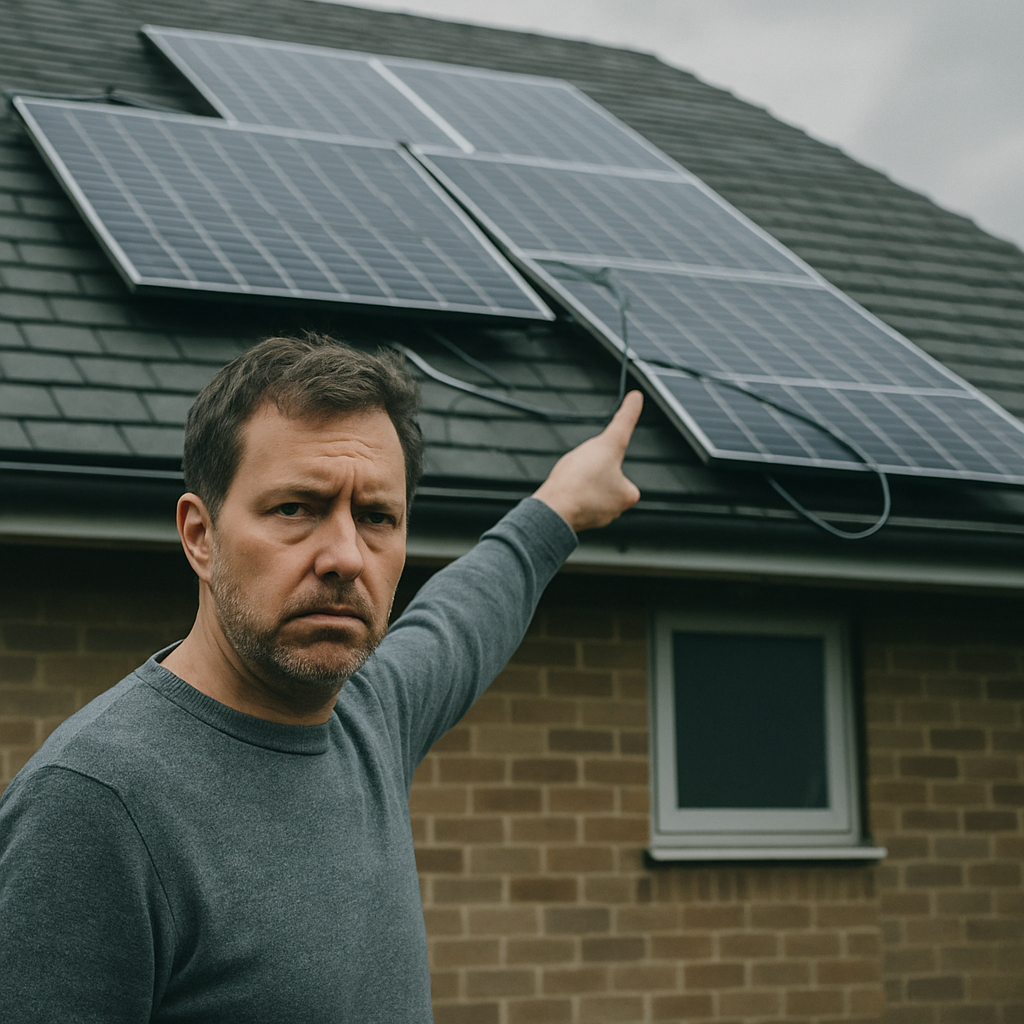
Common problems with rooftop solar installations
Choosing a good installer helps you avoid the common pitfalls that can turn a great investment sour. Some frequent issues caused by poor installation include:
- Roof leaks: Caused by improperly sealed roof penetrations or cracked tiles.
- Faulty wiring: A significant safety hazard that can reduce performance or even pose a fire risk.
- Use of low-quality components: Cheaper, non-compliant parts can fail prematurely and may not be covered by warranty.
- Poor system design: Not accounting for shade from trees or neighbouring buildings can drastically reduce your system’s output.
- Damage to your property: Insecurely fixed rails or panels can become displaced, damaging the system and your roof.
The solar panel installation process in Brisbane
A professional installer will manage the entire process for you, which typically follows these steps:
- Quote and Site Assessment: The installer assesses your energy bills, roof space, and orientation to design a suitable system.
- Grid Connection Approval: Before installation, your installer must submit an application to Energex, the electricity distributor for Brisbane, to get approval to connect to the grid. This can take a few days to several weeks.
- Installation: Once approval is granted, the physical installation of the panels, inverter, and wiring usually takes just one day.
- Inspection and Commissioning: The system is inspected to ensure it meets all safety standards.
- Meter Changeover: Your installer sends the required paperwork to your electricity retailer, who then arranges for Energex to install or reconfigure your meter to measure exported solar energy. Your system can only be switched on after this is complete.
Solar installer warranties and guarantees in Australia
Understanding warranties is key to protecting your investment. There are three main types you need to know about:
- Product Warranty (for panels and inverters): This covers defects in the manufacturing of the physical hardware. For panels, this is typically 12-25 years, and for inverters, it’s usually 5-10 years.
- Performance Warranty (for panels): This guarantees the panels will still produce a certain percentage of their original output after 25 years (usually around 80%).
- Workmanship Warranty (from the installer): This is one of the most important. It covers the quality of the installation itself, including wiring and mounting. A good installer will offer a workmanship warranty of at least 5 years, with many of the best offering 10 years. This warranty shows they stand behind the quality of their work.
Choosing the right solar installer in Brisbane is a decision that will impact your home’s energy for decades to come. By doing your research, checking credentials, and asking the right questions, you can find a trusted partner to help you make the most of our abundant sunshine.
If you’re ready to get a quote, I can introduce you to a trusted, SAA-accredited local expert—just fill out the form on this page.