Fast Read
For most Brisbane homes, a hybrid inverter is the more practical and future-proof choice, especially if you plan to add a battery. A typical 6.6kW solar system with a quality hybrid inverter from brands like Sungrow or Fronius costs between $5,500 and $8,500. Microinverters, like those from Enphase, offer superior performance on complex or shaded roofs and enhanced safety, but a similar-sized system can cost $8,000 to $11,000+. While microinverters maximise power from each panel, hybrid inverters provide a simpler, more cost-effective pathway to energy independence with battery storage like a Sungrow SBR or BYD battery, which is a key consideration with rising energy costs.
Hybrid inverter vs microinverters for home solar
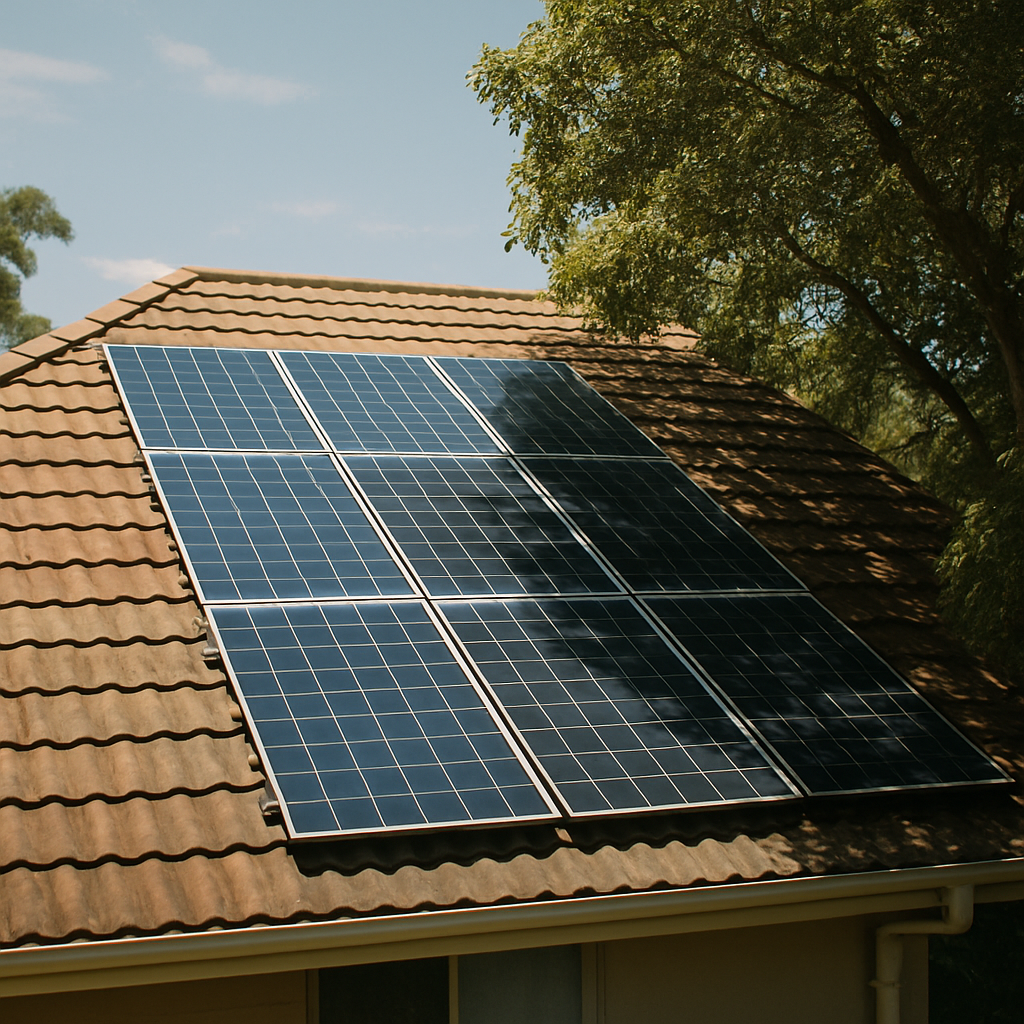
Choosing an inverter is one of the most critical decisions you’ll make for your home solar system. It’s the brain of the operation, converting the DC power from your panels into usable AC power for your home. In Brisbane, the choice often comes down to two leading technologies: the solar hybrid inverter and microinverters.
A hybrid inverter is a single, wall-mounted box that manages power from your solar panels, the grid, and a home battery. It’s an all-in-one solution designed for households that either have a battery now or plan to add one later. Popular and trusted brands in Australia include Sungrow, Fronius, and Goodwe.
Microinverters, on the other hand, are small, individual inverters installed underneath each solar panel on your roof. This means your system has as many inverters as it has panels. Each panel’s output is converted to AC power right at the source, making each panel an independent power producer. The dominant brand in this space, and the one most installers trust, is Enphase.
Here’s a simple breakdown of the core difference:
| Feature | Hybrid Inverter (e.g., Sungrow, Fronius) | Microinverters (e.g., Enphase) |
|---|---|---|
| Location | One central inverter on a wall. | One small inverter under each panel. |
| Function | Manages solar, grid, and battery power. | Manages a single solar panel’s output. |
| System Failure | If the inverter fails, the whole system goes down. | If one microinverter fails, only one panel stops producing. |
| Best For | Homes planning for battery storage; unshaded roofs. | Complex or partially shaded roofs; maximum energy harvest. |
From my analysis of dozens of system quotes, the decision hinges on your roof’s characteristics and your long-term battery plans. A simple, unshaded roof makes a strong case for a hybrid, while a roof with multiple angles or intermittent shading from trees or vents will benefit significantly from microinverters.
Advantages of hybrid inverters for Brisbane homes
For many Brisbane homeowners, the hybrid solar inverter is the most logical and cost-effective choice, especially with an eye on the future.
-
Seamless Battery Integration: This is the standout benefit. A hybrid inverter is built from the ground up to connect with a battery. Adding a battery like a Sungrow SBR or BYD to a hybrid system is a straightforward process, often saving you thousands compared to retrofitting a battery to a non-hybrid system.
-
Cost-Effectiveness: For a standard, unshaded roof, a single hybrid inverter is almost always cheaper upfront than installing 15-20 microinverters. This allows more of your budget to go towards quality panels or a larger system.
-
Centralised Maintenance: With only one unit to worry about, troubleshooting and maintenance are simpler. The unit is typically installed at eye level in your garage or on a shaded exterior wall, making it easily accessible for technicians.
-
Proven Reliability: Leading brands like Fronius and Sungrow have an excellent track record in Australia. They offer strong local support and 10-year warranties, giving you peace of mind. I spoke with a Solar Accreditation Australia (SAA) accredited installer last week, and they highlighted that the failure rate on premium hybrid units is impressively low.
Many new home builders are now installing battery-ready hybrid inverters as standard, recognising them as the baseline for future-ready homes.
Gigi’s Pro Tip: When choosing a hybrid inverter, check its “charge/discharge rate” in the specifications. A higher rate (e.g., 5kW) means you can power more appliances from your battery simultaneously and recharge the battery faster from your panels. This is crucial for maximising self-consumption in the evening.
Benefits of microinverters for residential solar in Brisbane
While they come at a premium, microinverters for solar panels offer distinct advantages that can deliver superior long-term performance, especially on tricky Brisbane roofs.
-
Panel-Level Optimisation: This is the killer feature. Because each panel has its own inverter, the performance of one panel doesn’t affect the others. If a panel is partially shaded by a tree branch, covered in bird droppings, or simply underperforming due to age, the rest of your system continues to produce at its maximum potential. On a complex roof with multiple angles (e.g., east and west-facing sections), this is essential for maximising your total energy generation.
-
Enhanced Safety: Microinverter systems convert high-voltage DC to safer, low-voltage AC right at the panel. This significantly reduces the risks associated with high-voltage DC wiring running through your roof space.
-
Superior Monitoring: Brands like Enphase provide incredibly detailed monitoring apps that show you the real-time performance of every single panel. This makes it easy to spot any issues and ensures your system is always performing optimally.
-
Exceptional Warranty: Enphase microinverters come with an industry-leading 25-year limited warranty in Australia, far exceeding the typical 10-year warranty of most hybrid inverters.
-
System Flexibility: A microinverter system is modular. You can start with a smaller system and easily add more panels later without having to worry about upgrading a central inverter.
Cost of hybrid inverters vs microinverters in Brisbane

The primary drawback of microinverters is the higher upfront cost. A system using Enphase microinverters will typically cost 20-30% more than a comparable system using a quality string or hybrid inverter.
Here’s an estimated cost comparison for a standard 6.6kW solar system fully installed in Brisbane:
| Inverter Technology | Reputable Brands | Estimated Cost Range (incl. GST) | Best For |
|---|---|---|---|
| Hybrid Inverter | Sungrow, Fronius, Goodwe | $5,500 – $8,500 | Future battery owners, unshaded roofs. |
| Microinverters | Enphase | $8,000 – $11,000+ | Shaded or complex roofs, max performance. |
Note: Prices are estimates and can vary based on panel selection, installer, and installation complexity.
While the initial outlay for microinverters is higher, the increased energy yield over the system’s lifetime, especially on a shaded roof, can sometimes offset the extra cost. However, for most Brisbane homes, the financial case for a quality Sungrow hybrid inverter or Fronius hybrid inverter is more compelling.
Performance of solar inverters in high heat and humidity
Brisbane’s climate of high heat and humidity is a tough testing ground for any electronic equipment. Inverters generate heat as they convert power, and if they can’t dissipate that heat effectively, their efficiency drops, and their lifespan can be shortened.
Both premium hybrid inverters and microinverters are designed to handle these conditions, but they do it differently.
-
Hybrid Inverters: High-quality models like the Fronius Gen24 use an active cooling system with fans to draw air across a large heat sink, ensuring the electronics stay within their optimal temperature range even on a scorching summer day. This is a crucial feature for reliability in our climate. Cheaper, passively cooled inverters can struggle and may reduce their power output (a process called derating) to protect themselves when it gets too hot.
-
Microinverters: Installed under the panels, microinverters are exposed to high temperatures. However, they are designed to operate in this environment and are housed in rugged, IP67-rated weatherproof enclosures. Because they are only handling the output of a single panel, they generate less heat in one spot compared to a central inverter.
A key takeaway is to ensure your inverter, regardless of type, is installed in a shaded, well-ventilated location—never in direct sunlight.
Hybrid inverter vs microinverter battery storage compatibility
This is where the distinction between the two technologies becomes crystal clear.
A hybrid solar power inverter is purpose-built for battery storage. It contains all the necessary hardware and software to manage the flow of energy between your panels, battery, grid, and home. Connecting a DC-coupled battery like a Sungrow SBR or BYD HVM to a compatible hybrid inverter is efficient and relatively simple for an SAA-accredited installer.
Adding a battery to a microinverter system is more complex and often more expensive. Because microinverters output AC power at the panel, you need an “AC-coupled” battery solution. This means the battery system itself (like an Enphase IQ Battery 5P) has its own built-in inverter to convert the AC power from your solar system back to DC for storage, and then back to AC again for use in the home. This process, sometimes called “triple conversion,” can result in slightly lower round-trip efficiency.
Case Study: A Family in Rochedale The Tran family was getting hit with quarterly electricity bills over $700. They installed a 6.6kW system using Canadian Solar panels and a 5kW Sungrow hybrid inverter, paired with a 9.6kWh Sungrow SBR battery. The total system cost was around $14,800. After applying for the federal solar rebate, their final cost was closer to $12,000. Their annual savings are now projected to be over $2,400, giving them a payback period of just 5 years. Their last bill was only $45, mostly covering the daily grid connection fee.
Brisbane solar installer recommendations inverter type
When you start getting quotes, you’ll find that reputable Brisbane installers have their preferred brands based on years of experience with reliability, performance, and after-sales support.
Most installers I’ve spoken with recommend a quality hybrid inverter for solar as the default for the majority of homes. The combination of reliability, cost-effectiveness, and battery readiness from brands like Sungrow and Fronius is hard to beat. They see it as the most sensible long-term investment for their customers.
However, any good installer will—and should—recommend solar panels with microinverters if your roof has significant shading issues or a complex design with multiple facets. In these scenarios, the performance gains from panel-level optimisation justify the additional cost. An ethical installer sells you the right solution for your specific property, not just the one they prefer.
Ultimately, the best inverter is the one that suits your roof, your budget, and your future energy goals. For most people in Brisbane, that journey points towards a hybrid inverter. It provides excellent performance today and the simplest, most affordable path to adding a battery tomorrow.
If you’re feeling unsure about which technology is right for your home, I can connect you with a trusted local expert who can provide a detailed assessment and a clear, no-obligation quote. Just fill out the form below.