Fast Read
Choosing the right size solar battery for your Queensland home is key to getting the most out of your solar panels. For most households, a battery between 10kWh and 14kWh is the sweet spot, allowing you to store enough daytime solar energy to power your home through the evening and night. The perfect solar power battery size depends on your nightly energy use, your solar system's output, and whether you want simple bill savings or backup during a blackout. I’ll walk you through how to figure out exactly what you need.
Figuring out the right home energy storage solution can feel like a puzzle. With so many numbers and technical terms, it’s easy to feel overwhelmed. But as I’ve learned from speaking with countless homeowners and accredited installers, getting the size right is the most important step towards energy independence and lower power bills.
So, let’s put the jargon aside and work through this together. I’ll help you understand your own energy habits and match them with the perfect energy storage for your home.
How to calculate your home energy consumption
Before you can size a battery, you need to know how much electricity you actually use. The best place to find this information is on your latest electricity bill.
Look for a section with a graph or a number listed as “Average Daily Usage” in kilowatt-hours (kWh). A typical Queensland household uses between 16kWh and 25kWh per day, but this can vary a lot. If you live alone you might use as little as 9kWh, while a large family with a pool could use over 30kWh.
- Gigi’s pro tip: Your bill shows your total daily usage. For battery sizing, we’re most interested in how much power you use after the sun goes down. Most households use about two-thirds of their daily energy at night. So, if your average daily use is 21kWh, you can estimate your overnight usage is around 14kWh.
Understanding your solar system’s production
The next piece of the puzzle is knowing how much power your solar panels generate. The most common residential system size in Queensland is 6.6kW.
On average, a 6.6kW solar system in sunny Queensland will generate between 24kWh and 28kWh of electricity per day. This changes with the seasons and weather, but it gives us a great starting point.
The energy you don’t use during the day is what will charge your battery. For example, if your 6.6kW system generates 26kWh and your home only uses 8kWh of that during the day, you have 18kWh of excess energy—more than enough to charge a common home battery.
So, what size solar battery do I need for my home?
Now we can bring those two numbers together to find your ideal battery size. It really comes down to what you want to achieve.
- Goal 1: Lower your power bills (Self-consumption)
This is the most common reason people get a battery. The goal is to store enough excess solar power from the day to cover your energy needs overnight, so you buy as little as possible from the grid. For this, you need a battery with a usable capacity that matches your average nightly consumption. If you use 10kWh between sunset and sunrise, a battery around 10-13.5kWh would be a perfect fit.
- Goal 2: Keep the lights on during a blackout (Backup power)
If you want to be protected from grid outages, you’ll need a slightly different approach. A battery sized for backup needs to run your essential circuits—like the fridge, lights, and internet modem—for a set period. This usually requires a battery with a larger capacity (often 13kWh or more) and special wiring to isolate those circuits during an outage.
For most Queenslanders, a battery sized for self-consumption is the most cost-effective choice. It makes a huge dent in your power bills and gives you a level of energy independence.
Common residential solar battery sizes in Queensland
You’ll find home energy storage solutions available in a range of sizes, but a few are very common in the residential market.
- 5kWh to 8kWh batteries: These are a great entry-level option, perfect for households with lower overnight energy usage (less than 8kWh). They can help you significantly reduce your reliance on evening grid power.
- 10kWh to 14kWh batteries: This is the most popular range for a typical family home in Australia. A battery of this size, like the common 13.5kWh models, can often store enough energy to cover a family’s entire overnight usage, making it an excellent choice for maximising savings.
- 15kWh+ batteries: Larger batteries are suited for homes with very high energy consumption, those who want multiple days of backup power, or those looking to go almost completely off-grid. Many modern batteries are modular, meaning you can add more capacity later if your needs change.
How Queensland’s electricity tariffs affect your battery choice
Understanding electricity tariffs is crucial, because it’s where a battery really proves its worth. In Queensland, many homes are on or moving to “Time of Use” (TOU) tariffs.
A TOU tariff means the price you pay for electricity changes throughout the day:
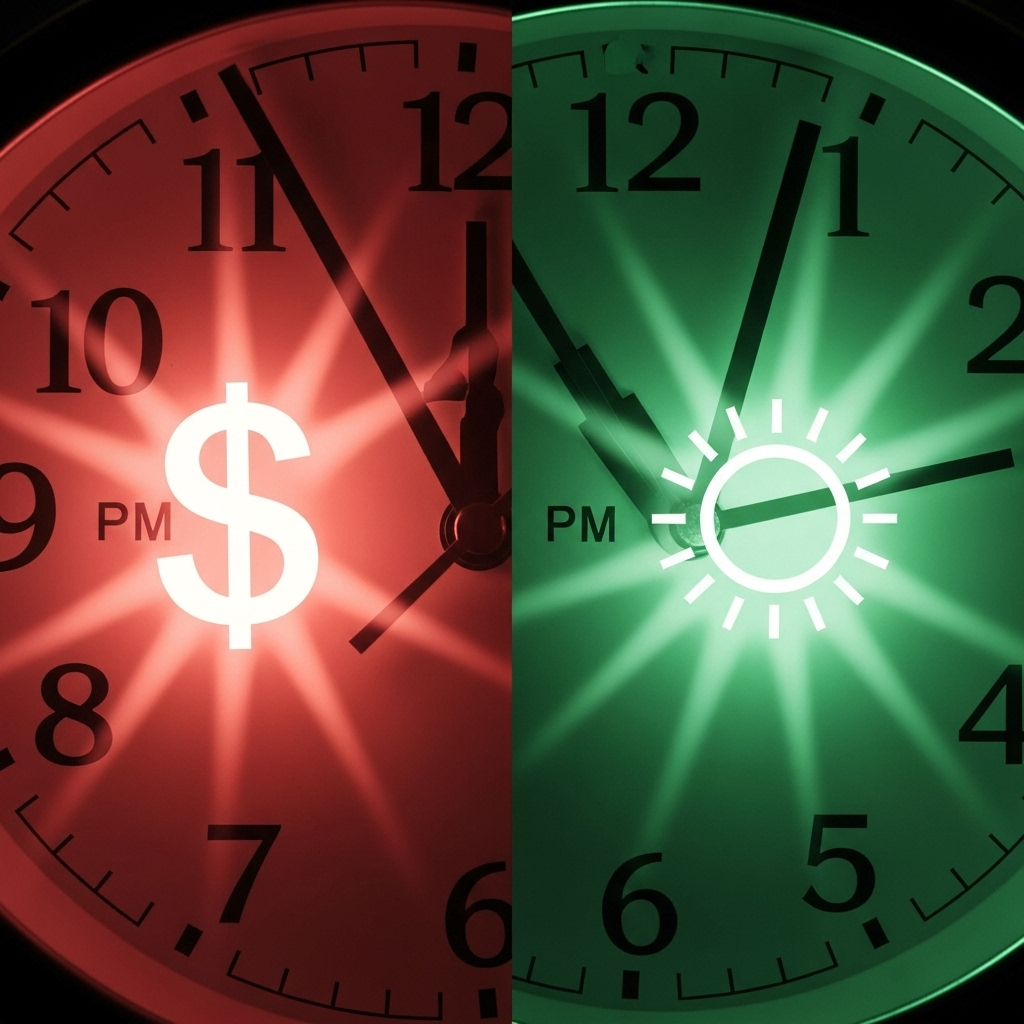
- Peak (4 pm – 9 pm): This is when electricity is most expensive.
- Off-peak (Overnight): This is when power is cheapest.
- Shoulder (In between): A moderate rate applies.
A solar battery is a perfect partner for a TOU tariff. It allows you to store free solar energy during the day and then use it during the expensive evening peak, instead of buying it from the grid. With feed-in tariffs (the amount you get for selling excess power) being quite low, it is almost always more valuable to store and use your own energy than to sell it.
Using a solar battery size calculator
There are many online calculators that can give you a rough idea of what size battery you might need. They typically ask for your average daily usage, solar system size, and what you want to achieve with your battery. These tools are a great starting point for your research.
However, a calculator is only an estimate. It can’t see the specific angles of your roof, account for local weather patterns, or understand your family’s unique energy habits.
That’s why it’s so important to get advice from a qualified professional. An experienced, Solar Accreditation Australia (SAA) accredited installer can provide a detailed assessment and a properly sized system that is safe, compliant, and tailored to your home.
Choosing the right home energy storage solution is a big decision, but it doesn’t have to be a complicated one. By understanding your usage and your goals, you can find the perfect fit to power your home with clean, stored sunshine.
For a quick, personalised estimate of solar costs and savings for your home, try the free solar assistant on this page—it gives you a ballpark in minutes.
If you’re ready for a proper quote, I can introduce you to a trusted, SAA-accredited local expert—just fill out the form below. They can help you make a confident and informed decision.