Fast Read
Choosing the right solar inverter in Brisbane for 2025 means selecting a unit that can handle the subtropical climate while maximising your system’s output. Key considerations include the inverter type (string, micro, or hybrid), performance in high heat, and warranty support. For a standard 6.6kW solar system, expect to pay between $1,200 and $2,500 for a quality solar inverter from brands like Fronius, Sungrow, or SMA. Hybrid inverters, which are battery-ready, cost more, typically from $2,000 to $5,000. Brisbane homeowners can access the federal Small-scale Renewable Energy Scheme (SRES), which reduces upfront costs by approximately $2,000-$2,500 for a 6.6kW system.
A solar inverter is the heart of your solar power system. While solar panels get all the attention, it’s the inverter that does the clever work of converting the raw DC electricity from your panels into the usable AC electricity that powers your home. Getting this choice right is crucial, especially in a place like Brisbane, where heat and humidity can push electronics to their limits.
I’ve analysed countless system quotes and spoken with Solar Accreditation Australia (SAA) accredited installers to cut through the noise. This guide will walk you through exactly how to choose the best solar inverter for your Brisbane home, ensuring you invest in a reliable, high-performing unit that will serve you for years to come.
How to choose a solar inverter in Brisbane 2025

Selecting the right solar inverter for your Brisbane home isn’t just about picking the biggest or most expensive model. It’s about matching the technology to your specific needs, roof, and future energy goals. From my analysis, here are the critical factors to consider:
- System Size and Compatibility: The inverter must be correctly sized for your solar panel array. Installers in Brisbane commonly “oversize” the panel capacity by up to 133% of the inverter’s rating, which is a standard and effective practice to maximise energy generation throughout the day. Ensure the inverter is compatible with your chosen panels.
- Performance in Heat: Brisbane’s hot and humid climate can cause inverters to overheat and reduce their power output, a process known as “derating”. Look for inverters with excellent thermal management, such as those with active cooling systems (fans) or large heat sinks.
- Warranty and Australian Support: A standard inverter warranty is 5-10 years. I always recommend choosing brands that have a physical presence and support team in Australia. This ensures that if you have a warranty claim, you’re not left waiting for parts or technicians from overseas.
- Monitoring Features: Modern inverters come with Wi-Fi connectivity and smartphone apps that allow you to track your energy production and consumption in real-time. This is invaluable for understanding your usage patterns and maximising your savings.
- Battery Readiness: If you’re considering adding a solar battery now or in the future, you’ll need a “hybrid” inverter. These models are designed to manage the flow of energy between your panels, home, grid, and battery. Opting for a hybrid inverter from the start can save you money on future upgrades.
Best solar inverters Brisbane 2025
After reviewing technical specifications and installer feedback, a few brands consistently stand out for their performance, reliability, and support in the Brisbane market.
| Brand | Category | Key Features | Standard Warranty |
|---|---|---|---|
| Fronius | Premium | High efficiency, active cooling, excellent reputation. | 5 + 5 years (on registration) |
| Sungrow | Great Value | High performance, reliable, often bundled with their popular battery. | 10 years |
| SMA | Premium | German-engineered, robust, excellent shade management technology. | 10 years (with registration) |
| Enphase | Microinverters | Panel-level optimisation, great for shaded roofs, market leader. | 15 years (extendable) |
| GoodWe | Budget-Friendly | Solid entry-level option with good features for the price. | 10 years (extendable) |
Gigi’s Pro Tip: Don’t just look at the brand; look at the specific model. For example, the Fronius Gen24 series is a standout hybrid inverter, making it a future-proof choice even if you don’t install a battery right away.
Types of solar inverters for Brisbane homes
There are three main types of solar inverters to consider for a Brisbane home, each with distinct advantages.
- String Inverters: This is the most common and cost-effective type of solar power inverter. Your solar panels are arranged in “strings,” and one or two strings connect to a single, wall-mounted inverter. They are ideal for homes with simple, unshaded roofs.
- Microinverters: A small inverter is attached to the back of each individual solar panel. This means each panel performs independently, which is a major advantage if your roof experiences partial shading from trees or neighbouring buildings. While they have a higher upfront cost, brands like Enphase offer superior performance in complex situations.
- Hybrid Inverters: A hybrid inverter, also known as a battery-ready inverter, can function like a string inverter but also has the integrated capability to charge and discharge a solar battery. Brands like Sungrow and Fronius offer excellent hybrid options. If you’re even remotely considering a battery in the next few years, this is the most sensible choice.
String vs micro vs hybrid inverters for Brisbane homes pros and cons
| Inverter Type | Pros | Cons | Best For |
|---|---|---|---|
| String Inverter | Most affordable, reliable and proven technology. | A single shaded or faulty panel can reduce the output of the entire string. | Homes with simple, unshaded roofs facing a single direction. |
| Microinverter | Maximises output from each panel, great for shade. Panel-level monitoring. | Higher upfront cost, more complex installation. | Homes with complex roof layouts, multiple orientations, or shading issues. |
| Hybrid Inverter | “Battery-ready” for future storage, all-in-one solution for solar and batteries. | More expensive than standard string inverters. | Homeowners who plan to install a battery now or in the near future. |
Solar inverter costs and prices Brisbane 2025
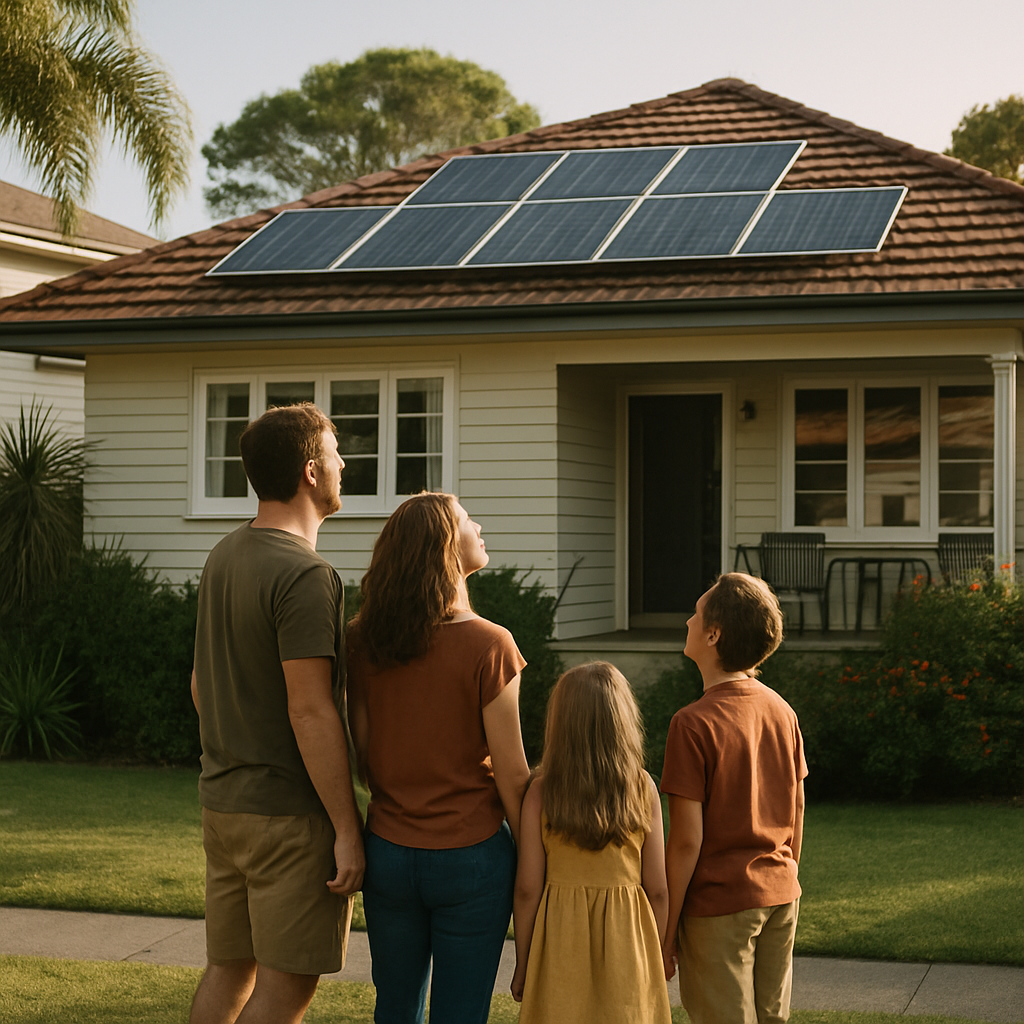
The cost of a solar inverter is usually bundled into the total price of your solar system. However, the inverter itself typically accounts for 15-20% of the overall cost. For a standalone purchase, here’s a rough guide for Brisbane: Case Study: A Family in Chermside> The Tran family was struggling with quarterly electricity bills often exceeding $550. They invested ina 6.6kW systemusing Trina panels and a 5kW Fronius solar inverter for a total of $7,800. After the federal SRES rebate reduced their upfront cost to around $5,500, their annual savings are now over $1,900. This puts them on track for apayback period of under 5 years, and their last power bill was in credit.
- Standard String Inverter (5kW): $1,200 – $2,500
- Premium Hybrid Inverter (5kW): $2,000 – $5,000+
- Microinverters: Approximately $200 – $250 per panel, adding $4,000 – $5,000 to a typical 6.6kW system compared to a budget string inverter.
Queensland solar inverter regulations and rebates 2025
The main financial incentive available for Brisbane residents is the federal Small-scale Renewable Energy Scheme (SRES). This isn’t a direct cash rebate but a point-of-sale discount provided by your installer.
- How it works: The scheme provides Small-scale Technology Certificates (STCs) based on your system’s size and location. Your installer claims these certificates and deducts their value from your invoice.
- Potential Savings: For a 6.6kW system in Brisbane, this typically equates to a discount of $2,000 – $2,500.
- Important: To be eligible, both your inverter and panels must be on the Solar Accreditation Australia (SAA) approved product list, and the installation must be done by an SAA-accredited professional. The value of STCs decreases each year, so acting sooner provides a larger discount.
Additionally, the federal Cheaper Home Batteries Program, which began in July 2025, offers a rebate of around 30% on the cost of an eligible battery system, making hybrid inverters an even more attractive option.
Questions to ask your solar installer about inverters
When you get a quote, your installer should be your trusted advisor. A common mistake I see is homeowners not asking detailed questions about this critical component. Here’s what you need to ask:
- Why have you recommended this specific inverter brand and model for my home?
- Does this brand have a dedicated support office and team here in Australia?
- What is the full warranty period, and does it cover parts, labour, and shipping?
- Is this a standard string inverter or a hybrid/battery-ready model?
- How will you position the inverter to protect it from direct sun and ensure adequate ventilation?
- Can you show me how the monitoring app works?
Solar inverter maintenance tips for Brisbane’s climate
Brisbane’s heat and humidity require a little extra care to ensure your inverter has a long and productive life.
- Location is Key: The golden rule is to install the inverter in a cool, shaded, and well-ventilated location. A garage is often ideal. Avoid installing it in direct, intense sunlight, as this will cause it to run hotter and less efficiently.
- Keep it Clear: Ensure there is plenty of clearance (at least 30cm on all sides) around the inverter to allow for airflow. Don’t store items on top of or in front of it.
- Regular Cleaning: Keep the inverter’s casing and cooling fins free of dust, cobwebs, and debris. A gentle brush or cloth is all that’s needed.
- Annual Checks: While solar systems are low-maintenance, a professional inspection every few years is wise. The technician will check connections and ensure the cooling fans are operating correctly.
Making the right choice on your solar inverter is a long-term investment in your home’s energy future. By focusing on quality, suitability for Brisbane’s climate, and strong local support, you can ensure your solar power system performs optimally for many years.
If you’re feeling overwhelmed and want to make sure you get the right advice, I can help. I can connect you with a trusted local expert who can provide a tailored recommendation and quote for your home. Just fill out the form below to get started.