Fast Read
An Energex application for solar is most often rejected or limited due to technical issues in your local electricity network, such as high voltage rise, a saturated local transformer, or general network capacity constraints in suburbs with high solar uptake. Solutions typically involve your installer resubmitting the application with a reduced export limit (e.g., from 5kW to 2kW or 0kW), switching to a flexible ‘Dynamic Connection’ which requires a compatible smart inverter (like models from Fronius or Sungrow), or in rare cases, paying for network upgrades which can cost over $20,000. For a typical 6.6kW solar system facing rejection, the most common and cost-free solution is to accept a lower export limit and focus on self-consuming your solar power, often by adding a battery like a Sungrow SBR or Tesla Powerwall 3.
Why was my Energex application rejected or limited?

It’s a frustrating moment: you’re excited to get solar, but your installer comes back with the news that your Energex application has been hit with limitations or an outright rejection. From my experience, a flat-out “no” is rare. It’s much more common for Energex to return a conditional approval, such as limiting the amount of power you can send back to the grid (your export limit).
Your installer is the one who manages the entire Energex network connection application, and they should be your first point of contact to explain the specific reasons. However, the underlying issues almost always fall into one of these technical categories:
-
Voltage Rise: This is the most common technical hurdle. For your solar power to flow from your house to the grid, your inverter must export it at a slightly higher voltage than the grid itself. Australian Standards (AS/NZS 4777) strictly limit this increase to a maximum of 2%. If the cables running from your home to the street are too long or too thin, the resistance causes the voltage to climb too high, breaching the limit.
-
Transformer Limitations: Your home and a group of your neighbours are all connected to a local distribution transformer. These transformers have a set capacity (measured in kVA) and were originally designed for power to flow in one direction—to you. If too many homes in your group already have large solar systems, the transformer may not be able to handle more power flowing backwards, leading Energex to reject new connections.
-
Network Capacity Constraints: Zooming out from your local transformer, the entire electricity network in a suburb can become “saturated” with solar. Energex has one of the highest densities of rooftop solar in the world, and some areas have reached their limit for hosting new solar generation without causing instability.
-
SWER Line Connection: If you live in a rural area, you might be on a Single Wire Earth Return (SWER) line. These are a cost-effective way to run power over long distances but have much lower capacity than the urban grid. Connections are typically possible but come with much stricter limits.
-
Application Errors: Sometimes, the issue is as simple as incorrect or missing information on the form submitted by your installer. While this can cause delays and rejections, it’s usually the easiest problem to fix.
Understanding the key technical hurdles
Let’s break down the main technical challenges so you can have a more informed chat with your installer.
Voltage rise: The number one roadblock
Think of the grid as a pipe with water flowing at a certain pressure (voltage). To add more water (solar energy), you have to push it in at a slightly higher pressure. Voltage rise is the measurement of this pressure increase.
The problem isn’t your solar system itself, but often the existing wiring. The distance from your switchboard to the connection point at the street, and the thickness of that cable, create electrical resistance.
-
Ohm’s Law (V = I x R): Voltage rise = Current (from your inverter) x Resistance (in the cable).
-
The Impact: A long or thin cable has higher resistance. When your powerful new solar system tries to push a lot of current through it, the voltage can rise above the 2% limit mandated by Australian Standards. Your inverter will then automatically ramp down its power or shut off completely to stay compliant, meaning you lose out on generation and savings.
Your installer is required to perform a voltage rise calculation as part of the system design. If it’s predicted to be too high, Energex will flag it in the application.
Local transformer and network capacity
Unfortunately, Energex does not provide a public “hosting capacity map” like those available in other states, such as NSW. These maps show which parts of the network are constrained and which are open for new connections.
Without this tool, discovering a transformer or network capacity issue is often only possible after your installer submits the application. Energex’s technical assessment will reveal if your local infrastructure can handle the proposed system. They calculate solar penetration for each distribution transformer, which typically supplies 30 to 150 customers. If that transformer is already close to its limit, your application may be rejected or given a reduced export limit.
SWER lines: Special rules for rural connections
SWER lines are a unique feature of rural power networks. Due to their design, they are far less tolerant of exported solar energy. Energex has specific rules for these connections, which usually involve:
-
A maximum inverter capacity of up to 10kVA.
-
A strict export limit, often as low as 2kW in total.
What are my options if my application is rejected or limited?
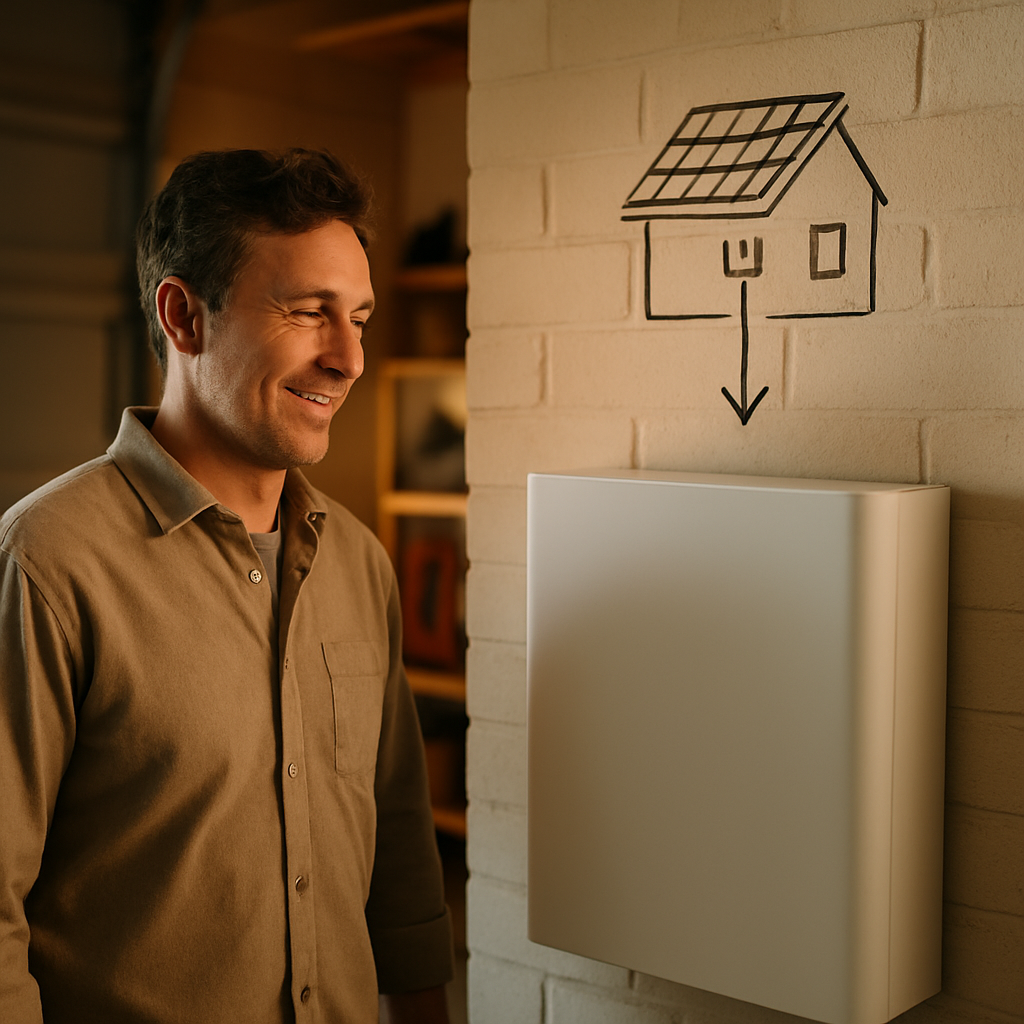
If your initial application is knocked back, don’t despair. This is usually the start of a negotiation, and your installer will guide you through the next steps. Here are the most common solutions, from easiest to most complex.
1. Amend and resubmit the application
This is the most common and successful path. Your installer will discuss the feedback from Energex with you and propose a change to the system design to make it compliant.
-
Accept a Lower Export Limit: This is the simplest fix. Energex might approve your desired 10kW inverter, but with an export limit of 2kW instead of the standard 5kW. You still get the benefit of a large system to power your home during the day; you just earn less from feed-in tariffs.
-
Install an Export Limiting Device: Modern inverters have this function built-in. An export limit ensures that no matter how much solar you’re generating, you never send more than the approved amount back to the grid.
-
“Oversize” Your Panels: A smart strategy is to pair a larger panel array with a compliant inverter. For example, you can install 10kW of panels (like high-efficiency Trina or REC panels) with a 5kW inverter. This lets you generate more power for your own use in the mornings, afternoons, and on cloudy days, while the inverter hardware ensures you never breach the 5kW export limit.
2. Switch to a dynamic connection
Energex now offers “Dynamic Connections” as a more flexible alternative to a fixed export limit. Instead of a static 5kW cap, your export allowance adjusts in real-time based on local grid conditions, ranging from 1.5kW up to 10kW.
-
How it works: This requires a compatible inverter or a gateway device that communicates with Energex over your home internet. When the local network has plenty of capacity, you can export more. When it’s congested, your export is automatically throttled back.
-
The Catch: This solution depends on having a compatible, approved device. Your installer must check Energex’s list of approved devices to ensure your chosen hardware is compliant. It’s especially important if you are adding a battery, as the entire system must be able to respond to Energex’s signals.
| Connection Type | Export Limit | Best For |
|---|---|---|
| Standard Fixed | Typically 5kW (single-phase) | Predictable performance, good for most homes. |
| Dynamic | 1.5kW to 10kW (variable) | Homes in constrained areas or those wanting to maximise potential export. |
| Zero Export | 0kW | Homes where the network cannot accept any exported power. Allows a large solar system for self-consumption only. |
3. Voltage rise mitigation
If the rejection is purely due to a high calculated voltage rise, there are a couple of technical solutions:
-
Upgrade Your Consumer Mains: The most effective solution is to replace the cables running from your switchboard to the street connection point with thicker ones. This lowers the electrical resistance, reducing voltage rise. This work must be done by a qualified electrician and can cost several thousand dollars.
-
Three-Phase Upgrade: If you have single-phase power, upgrading your entire property to three-phase power is a more drastic option. It provides a much greater capacity for solar but is also the most expensive solution, often costing upwards of $10,000-$15,000 depending on the complexity.
4. Network upgrades and augmentation (the last resort)
In rare cases where the issue is a transformer or other major network constraint, Energex may provide an option for you to pay for a network upgrade. This is known as network augmentation.
The costs are calculated based on the specific work required and can be substantial. For a residential customer, this could involve contributing to the cost of a new, larger transformer, which can easily exceed $20,000. For this reason, it is almost always more practical and cost-effective to accept a lower export limit or install a zero-export system.
Case Study: A Family in Bridgeman Downs The Chen family wanted to install a 10kW solar system to offset their high energy usage, but their initial Energex application was rejected due to local transformer limitations. Their installer advised them to resubmit the application with a 5kW export limit and to add a 10kWh Sungrow battery. The total system cost was $17,000. By storing their excess solar power in the battery for use in the evening, they slashed their quarterly bills from over $700 to just the daily grid connection fee. Their annual savings are over $2,500, giving them a payback period of under 7 years and making them virtually immune to future electricity price rises.
Resubmitting, appeals, and getting help
The good news is that a rejection is rarely the end of the road.
-
Resubmitting an Application: Your SAA-accredited installer will handle this. After discussing the options with you, they will amend the system design in the Energex portal and resubmit it for another technical assessment. This is the standard process for resolving most issues.
-
The Appeal Process: There isn’t a formal “appeal” process in the traditional sense for technical decisions. The assessment is based on network physics and safety standards. However, you can seek a review of a static zero export limit five years after the connection is completed. If you believe the decision is incorrect, your installer can engage with Energex to query the technical basis for the limitation, but the most common path forward is to amend the design to be compliant.
Gigi’s Pro Tip: Don’t let an export limit discourage you from getting a large solar array. Electricity costs are highest in the late afternoon and evening when the sun is down. Installing a bigger array (e.g., 10kW of panels on a 5kW limited inverter) and adding a battery is a powerful strategy. You can use the extra generation during the day to charge the battery for free, then use that stored energy at night, which delivers far more value than a small feed-in tariff.
Getting a solar application rejected can be disheartening, but it’s usually a solvable problem. By working with an experienced local installer who understands Energex’s rules, you can find a compliant solution that still delivers huge long-term savings.
If you’re feeling stuck or want a second opinion on your options, I can connect you with a trusted local expert who can help—just fill out the form below.