Fast Read
Finding the best solar installer in Brisbane involves checking for Solar Accreditation Australia (SAA) certification, comparing multiple quotes, and understanding warranties. For a typical 6.6kW system in 2025, expect to pay between $4,500 and $8,500 after the federal STC rebate. Adding a 10kWh battery like a Sungrow SBR costs an additional $8,000 to $13,000, but the new federal Cheaper Home Batteries Program can reduce this. Key considerations are the installer's workmanship warranty (aim for 10 years), the product warranties on panels like Trina or REC (often 25 years), and inverter warranties (10 years is standard for brands like Sungrow or Fronius).
Your ultimate solar installer Brisbane checklist
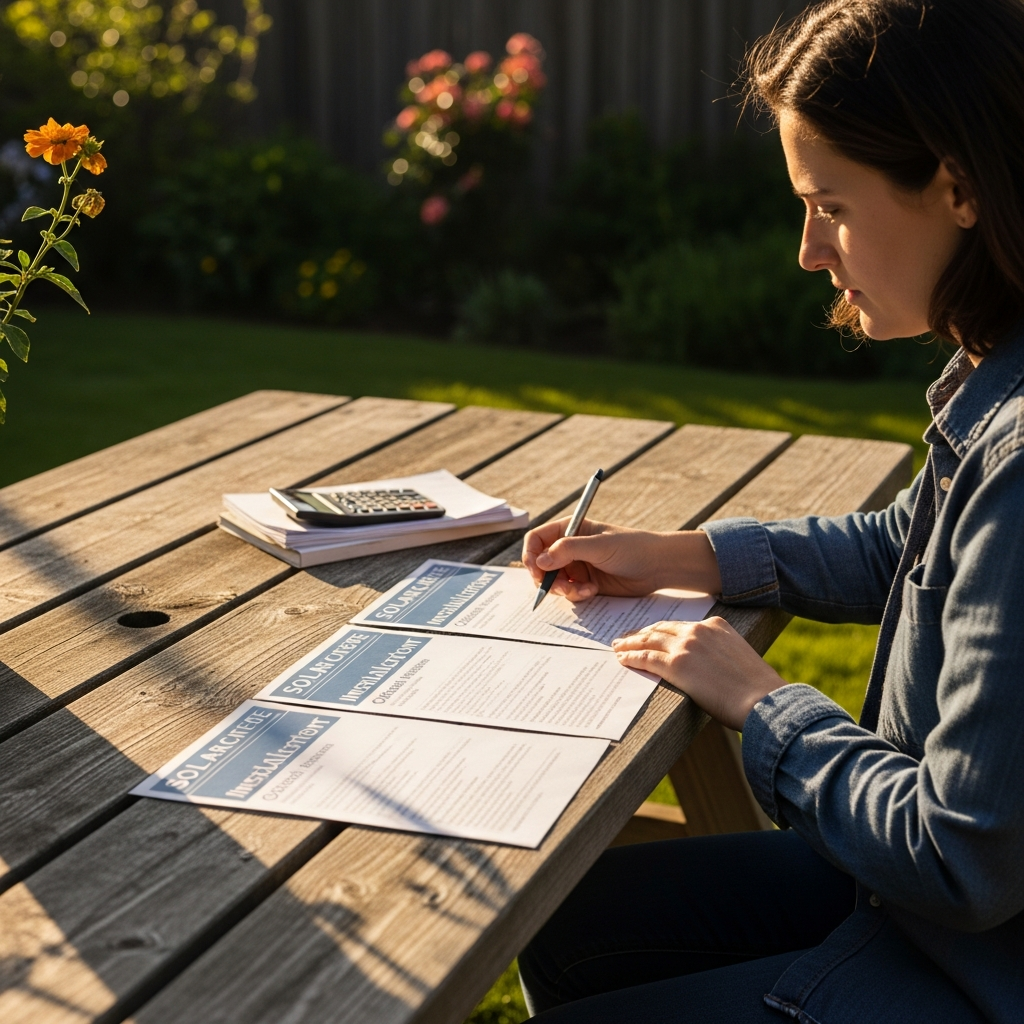
Choosing the right solar installer is the most critical step in your home energy journey. A great installer ensures your system is safe, compliant, and performs optimally for decades, while a poor choice can lead to endless headaches. From my analysis of the Brisbane market, I’ve built this checklist to help you navigate the process with confidence.
-
Verify SAA Accreditation: Your installer must be accredited by Solar Accreditation Australia (SAA). This is non-negotiable as it’s a requirement for accessing the federal rebate (STCs) and ensures the installer is trained to current Australian Standards. The old Clean Energy Council (CEC) accreditation is no longer the operator for this scheme.
-
Check Electrical Contractor Licence: Ensure the business holds a current Queensland Electrical Contractor Licence. You can verify this with a quick search online.
-
Confirm In-House Installers vs. Subcontractors: Ask if they use their own dedicated team or subcontract the installation. In-house teams often provide greater accountability and consistency. A common mistake I see homeowners make is assuming the friendly salesperson is the one who will be on their roof—always clarify who is doing the work.
-
Get at Least Three Detailed Quotes: Never accept the first quote you receive. Obtaining multiple quotes is the best way to compare costs, equipment, and the installer’s approach.
-
Look for a Local Brisbane Presence: A company with a local office and warehouse is more accountable and accessible for any future warranty or service claims.
-
Read Recent, Verifiable Reviews: Look for reviews on independent platforms. Pay attention to how the company responds to negative feedback, as this reveals a lot about their commitment to customer service.
-
Workmanship Warranty of 10 Years: A 5-year workmanship warranty is standard, but many high-quality installers now offer 10 years. This warranty covers any defects related to the installation itself, like leaks or loose connections, and is a strong signal of the installer’s confidence in their work.
Key questions to ask a Brisbane solar installer
Before you sign any contract, treat it like an interview. You’re hiring a company for a major project on your home. Here are the essential questions to ask:
-
“Are you accredited with Solar Accreditation Australia (SAA)?” As mentioned, this is the first and most important question. Ask for their accreditation number so you can verify it.
-
“Who will be completing the installation? Are they your employees or subcontractors?” This helps you understand who is ultimately responsible for the quality of the work.
-
“What brands of panels and inverters do you recommend and why?” A good installer won’t just push one brand. They should be able to explain the pros and cons of different products, like the value of Trina or Jinko panels versus the premium performance of REC, and why a Sungrow or Fronius inverter suits your needs.
-
“Can you provide a detailed, itemised quote?” The quote should clearly break down the cost of panels, the inverter, mounting equipment, labour, and any other fees. Vague quotes are a red flag.
-
“What is your process if something goes wrong with the system after installation?” Understand their after-sales support and warranty claim process. Who is your point of contact? Do they handle the manufacturer warranty claim on your behalf?
-
“How long is your workmanship warranty, and what does it cover?” This is separate from the manufacturer’s product warranties. A solid workmanship warranty shows the installer stands by the quality of their installation.
Understanding solar accreditation and licensing in Queensland
To be eligible for the federal Small-scale Renewable Energy Scheme (SRES)—the program that provides the upfront discount on your system—the installation must be completed by an SAA-accredited professional.
According to Solar Accreditation Australia, this ensures your system is installed safely and meets all relevant Australian Standards, like AS/NZS 5033 for installation and AS/NZS 4777 for grid connection. In Queensland, your installer must also be a licensed electrician.
Gigi’s Pro Tip: Don’t just take their word for it. Ask for the individual installer’s SAA accreditation number and the company’s electrical contractor licence number. A reputable solar installer will provide these details without hesitation. You can use these to check their status online.
How to compare solar quotes in Brisbane
Comparing quotes is about more than just finding the lowest price. A cheap quote often means inferior components or a rushed installation, which can cost you much more in the long run. Here’s how to compare quotes like a pro:
-
Normalise the Cost: Calculate the price per watt ($/W) for each system. You do this by dividing the total cost of the system by the total wattage of the panels (e.g., $5,500 / 6,600W = $0.83 per watt). This helps you compare systems of slightly different sizes.
-
Compare the Hardware: Look closely at the brands and models of the solar panels and the inverter. Are they offering Tier 1 panels with strong Australian support like Trina, Jinko, or Canadian Solar? Is the inverter from a reputable brand like Sungrow, Fronius, or SolarEdge?
-
Scrutinise the Warranties: This is where the real value lies. Compare the product warranties for panels and the inverter, as well as the installer’s workmanship warranty. A shorter warranty period is a significant red flag.
-
Check the Fine Print: Look for any hidden costs or exclusions. Does the quote include meter box upgrades if required? Is switchboard work covered?
Case Study: A Family in The Gap The Kumar family was facing quarterly power bills of over $600. They installed a 6.6kW system with Trina panels and a 10kWh Sungrow battery for a total cost of $15,500. After the federal battery rebate, their outlay was closer to $11,500. Their annual savings are now over $2,200, putting them on track for a payback period of just over 5 years, and their last bill was only the daily grid connection fee.
Solar panel and inverter warranties explained
Navigating warranties can be confusing, but they are your primary protection. There are three warranties you need to understand:
-
Panel Product Warranty: This covers defects in the panel itself, such as frame issues or faulty wiring. For good quality panels, this is typically 15 to 25 years. Brands like Trina and Canadian Solar offer robust product warranties.
-
Panel Performance Warranty: This guarantees the panel will still produce a certain percentage of its original power after a set period, usually 25 years. For example, it might guarantee 85% output at year 25.
-
Inverter Warranty: This covers the inverter, which is the component most likely to fail first. A standard warranty is 5 years, but it’s highly recommended to choose an inverter with a 10-year warranty, such as those from Sungrow or Fronius.
Gigi’s Pro Tip: Always choose products from manufacturers that have an office or official support presence in Australia. This makes warranty claims significantly easier and faster to process should you ever need it.
| Warranty Type | What It Covers | Good Standard in Brisbane |
|---|---|---|
| Workmanship Warranty | Faults in the installation (e.g., roof leaks, wiring issues) | 10 Years |
| Panel Product Warranty | Physical defects in the solar panel | 15–25 Years |
| Panel Performance Warranty | Guarantees a minimum power output over time | 25 Years (at >80% capacity) |
| Inverter Warranty | Defects and faults in the inverter | 10 Years |
Checking solar installer reviews and reputation in Brisbane
A company’s track record is one of the best predictors of your future experience.
-
Go Beyond the Website: Don’t just rely on testimonials published on the installer’s own site. Look for independent review platforms where customers can leave unfiltered feedback.
-
Look for Longevity: A solar company that has been operating in Brisbane for many years is less likely to disappear, leaving you with an orphaned system if issues arise.
-
Ask for Local References: A confident installer should be happy to provide you with the contact details of previous customers in your area. Speaking to someone who has been through the process is invaluable.
Common solar installation problems and red flags
Being aware of potential issues can help you spot a dodgy operator before it’s too late.
-
High-Pressure Sales Tactics: Be wary of “today only” deals or salespeople who pressure you to sign on the spot. A reputable company will give you time to consider your options.
-
Vague or Incomplete Quotes: If a quote doesn’t specify the exact brand and model of the panels and inverter, ask for more detail. A lack of transparency is a major red flag.
-
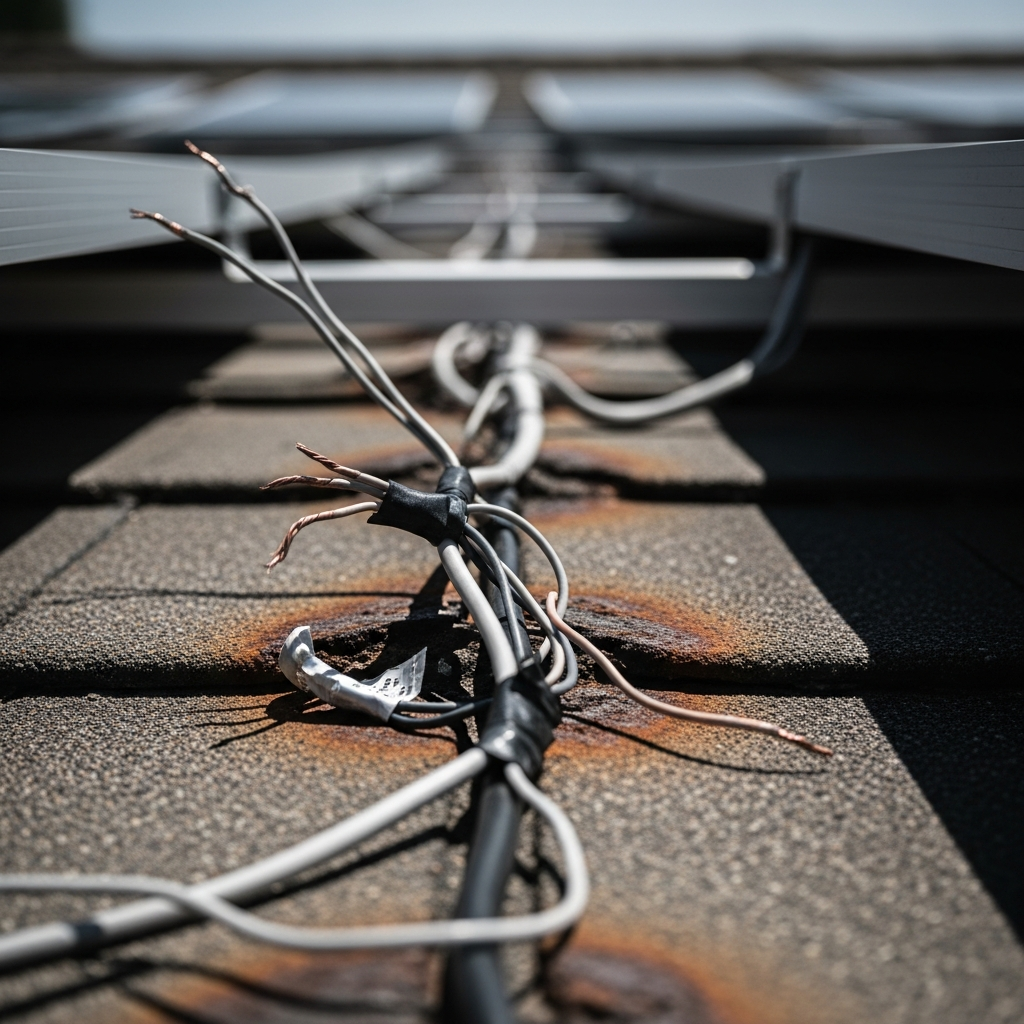
Poorly Installed Components: Common installation faults include improper wiring, roof penetrations that aren’t sealed correctly causing leaks, and mismatched connectors between panels. These issues can reduce performance and, in some cases, create serious safety hazards like fires.
-
Lack of System Monitoring: Your system should come with a monitoring app or platform that allows you to track its energy production. If it’s not included, ask why. Monitoring is essential for quickly identifying any performance issues.
Choosing your solar installer is a decision that will impact your home’s energy future for the next 25 years. Take your time, do your homework, and trust your gut.
If you’re feeling overwhelmed and would like a hand, I can connect you with a trusted local solar installer in Brisbane who has already been vetted for quality and service. Just fill out the form below for a no-obligation quote.