Fast Read
Yes, you can absolutely install solar on a terrace house in Sydney, but it requires careful planning. Due to limited roof space, high-efficiency solar panels from brands like REC or Trina are essential to maximise output, often in a 3-5kW system size. The main challenges are roof orientation, shading from neighbours, and obtaining strata approval. Expect a solar panel system to cost between $4,500 and $8,000 after the federal STC rebate is applied. Adding a solar battery like a Sungrow SBR or Tesla Powerwall will add $9,000 – $15,000, but is eligible for the Cheaper Home Batteries Program, which provides a significant upfront discount. Successfully navigating NSW strata laws is the biggest hurdle, but reforms that came into effect in late 2023 make it harder for owners corporations to unreasonably refuse sustainability projects.
Living in one of Sydney’s beautiful terrace houses doesn’t mean you have to miss out on the massive savings of solar power. While these iconic homes weren’t designed with solar panels in mind, modern technology and smart installation practices make it entirely possible to generate your own clean energy.
I’ve seen firsthand how owners of Australian terrace houses can slash their power bills, but it requires a different approach than a sprawling suburban roof. The key challenges we need to solve are limited roof space, potential shading from adjacent properties, heritage restrictions, and often, the biggest one: strata title rules. With the right equipment and a specialist installer, these hurdles can be overcome, turning your classic Sydney terrace into a modern, energy-efficient home.
Maximising small roof space solar panels Sydney
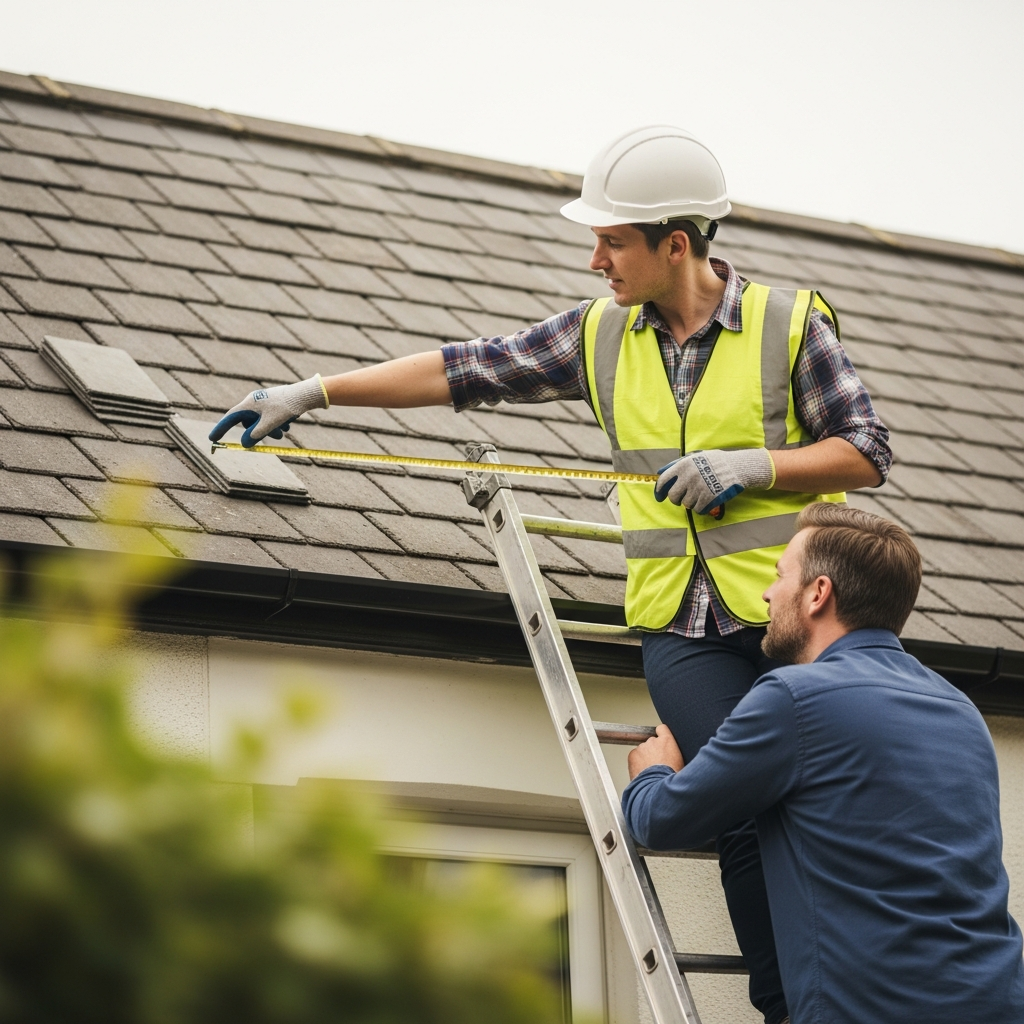
When you have a small roof, every square centimetre counts. The goal is to generate the most power possible from the limited area you have. A skilled installer accredited by Solar Accreditation Australia (SAA) is non-negotiable here, as they have the expertise to design a layout that works around vents, chimneys, and awkward roof angles.
Here are the key strategies we use to maximise solar on smaller roof spaces:
-
Use High-Efficiency Panels: This is the most critical factor. High-efficiency panels produce more electricity per square metre than standard panels, meaning you can get a powerful system from just a few units.
-
Optimise for Shade: Terrace houses are often overlooked by taller neighbours. Using microinverters or power optimisers is a fantastic solution. Unlike a traditional string inverter, where one shaded panel can reduce the output of the whole system, these devices allow each panel to work independently, squeezing out every last drop of sunshine.
-
Intelligent Racking Design: A good installer can use specialised mounting systems to position panels for optimal sun exposure, even on complex or unusually shaped roof spaces.
High efficiency solar panels for small roofs Australia
For a terrace house, panel efficiency is not just a buzzword; it’s the secret to a successful system. Efficiency measures how well a solar panel converts sunlight into usable electricity. While a standard panel might have an efficiency of 19-20%, premium models now exceed 22%, which makes a huge difference on a constrained roof.
From my analysis of the current market, brands like REC, Trina Solar, and Canadian Solar offer some of the best high-efficiency solar panels for Australian homes. They pack more generating power into the same physical footprint.
To put it in perspective, here’s a simple comparison:
| Panel Type | Power Output (Approx.) | Roof Space Needed for a 4kW System |
|---|---|---|
| Standard Efficiency (20%) | 370W | ~21.5 m² (approx. 11 panels) |
| High Efficiency (22.5%) | 420W | ~19 m² (approx. 9-10 panels) |
While high-efficiency panels have a higher upfront cost, they are often the most cost-effective solution for small roof spaces in the long run.
Lightweight solar panels for terrace houses
Many Sydney terrace houses are over a century old, and their roof structures weren’t designed to hold extra weight. This is a valid concern I hear from homeowners. The good news is that standard solar panels typically weigh around 20-23kg, which most structurally sound roofs can handle without issue. However, your installer should always conduct a thorough roof assessment.
If the roof’s integrity is a concern, there are emerging lightweight solar panel options. Brands like Aiko have released ultra-light panels weighing as little as 8.6kg, making them suitable for older or more delicate roof structures. While these are often a premium product, they can be the perfect solution for specific heritage situations, removing a key barrier to installation.
Best solar panel orientation for a Sydney terrace house
In the Southern Hemisphere, the ideal orientation for solar panels is north-facing to capture the most sunlight throughout the day. The optimal tilt angle in Sydney is around 30-34 degrees.
However, the fixed nature of a terrace house roof means you rarely have this perfect setup. Most terraces have a simple pitched roof facing east and west. But this isn’t a deal-breaker! An east-west split can be highly effective for self-consumption.
-
East-facing panels capture the morning sun, perfect for when you’re getting ready for the day and using appliances.
-
West-facing panels catch the afternoon sun, generating power when you typically return from work and start cooking or using air conditioning.
This profile spreads your energy generation across the day, which is brilliant for using the power yourself rather than exporting it to the grid for a low feed-in tariff. If you add a solar battery, your orientation becomes even less critical as you can store any excess energy generated at midday.
Challenges of installing solar on terrace houses Sydney
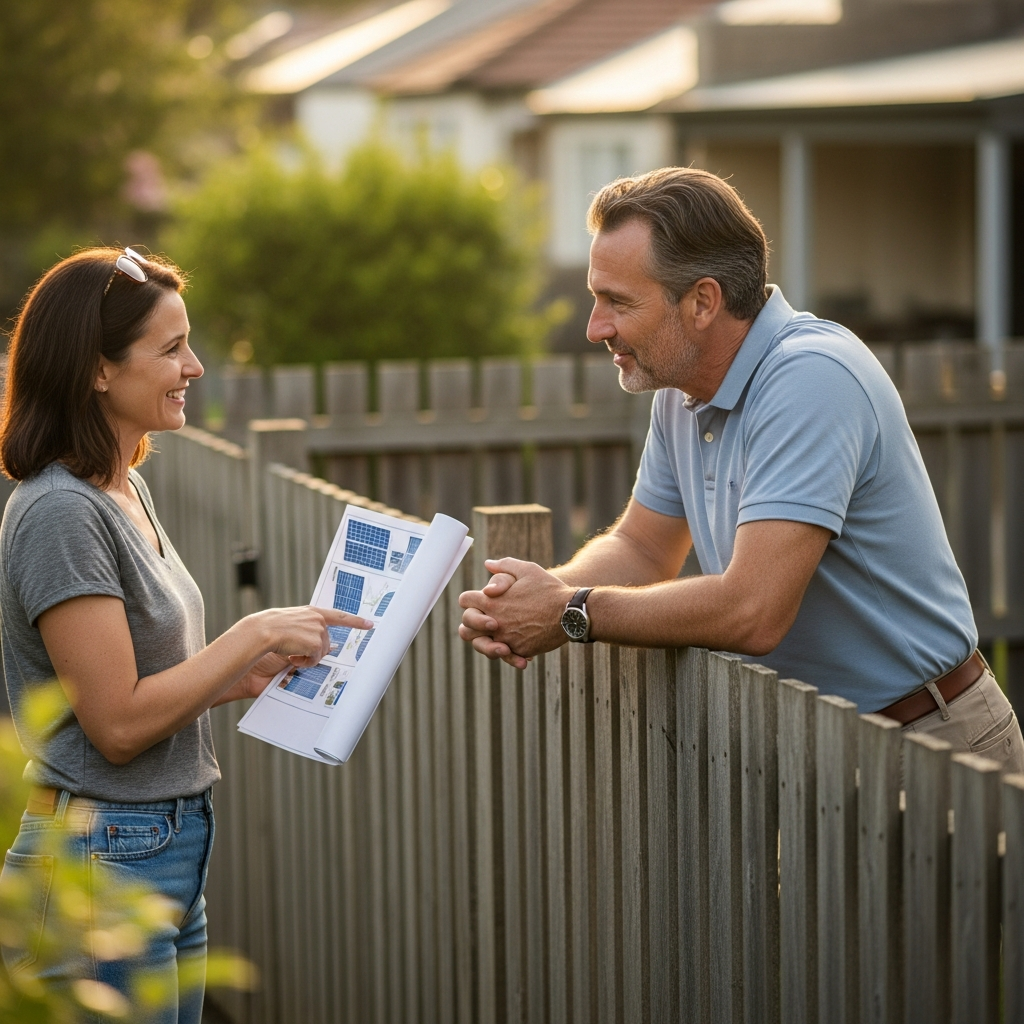
Installing solar on a Sydney terrace is a specialised job. It’s important to be aware of the potential hurdles before you start.
-
Shading and Obstructions: Chimneys, neighbouring two-story extensions, and established trees can all cast shadows that reduce your system’s output. A good installer will use sophisticated software to model this and design a system to minimise its impact.
-
Roof Integrity: Older slate or terracotta tile roofs can be fragile and may require specialist installers to avoid damage. A pre-installation roof inspection is essential.
-
Heritage Conservation Rules: If your home is in a heritage conservation area, there may be council restrictions on solar panels being visible from the street. It is often still possible to proceed if panels are installed on a rear, non-visible roof section.
-
Strata Approval: This is often the most significant challenge. If your terrace is under a strata title, the roof is common property, and you will need the approval of the owners corporation.
Case Study: A Family in Paddington The Nguyen family was tired of their $550 quarterly electricity bills. Their narrow terrace house roof in Paddington seemed like a lost cause, but a specialist installer designed a 4.2kW system using high-efficiency REC panels and Enphase microinverters to manage shade from a neighbouring property. The total cost was $7,800 after the federal STC rebate. Their annual savings are now over $1,600, giving them a payback period of under 5 years, and their last bill was just the daily grid connection fee.
NSW strata laws for solar panels on terrace houses
Navigating strata approval is crucial. The roof of a terrace house under a strata plan is typically common property, so you can’t install panels without permission. You will need to submit a motion to the owners corporation for approval at a general meeting.
Fortunately, reforms that came into effect in late 2023 make it clear that a strata scheme cannot unreasonably deny permission for sustainability infrastructure. A by-law that prohibits panels purely on aesthetic grounds is now invalid, except for some heritage-listed properties.
Gigi’s Pro Tip: Your best strategy is proactive communication. Talk to your neighbours and strata committee early. Present them with a detailed proposal from your SAA-accredited installer, including panel specifications, a diagram of the layout, and proof of their insurance. A professional, well-considered plan makes it much easier to get a ‘yes’.
Community solar projects Sydney for terrace houses
What if your roof is completely unsuitable or you’re a renter? You can still benefit from solar through a “community solar” or “solar garden” project. This is where you buy or subscribe to a share of a large, off-site solar farm and receive credits on your electricity bill for the energy your share produces.
The Australian and NSW Governments are actively investing in these “community solar banks” to help apartment residents and renters access cheaper, clean energy. This is an excellent alternative if an individual solar system isn’t an option for your home.
Solar panel rebates and incentives for Sydney terrace houses 2025
There are valuable incentives available to help reduce the cost of going solar in Sydney.
-
The Federal STC Program: This is the biggest financial incentive. It’s often called the “solar rebate,” but it’s technically an upfront discount applied by your installer. For a typical 4-5kW terrace house system, this can reduce the total cost by $1,500 – $2,000.
-
Cheaper Home Batteries Program: If you decide to install a solar battery, a new federal program provides a significant point-of-sale discount. This makes adding storage much more affordable, allowing you to use your solar power at night.
-
NSW Government Grants for Strata Buildings: The NSW Government has a grant program to help owners corporations fund shared solar systems on residential buildings, covering up to 50% of the cost. This is a fantastic option for a whole block of terraces looking to go solar together.
Going solar on a Sydney terrace house is a smart investment that is more achievable than ever. It requires the right advice and a specialist installer, but the rewards of lower bills and a smaller carbon footprint are well worth it.
If you’re feeling overwhelmed and want to know what’s possible for your home, I can help. I can connect you with a trusted local expert who specialises in solar for terrace houses. They can provide a tailored assessment and quote to get you started.