Fast Read
Maximising your solar self-consumption is the single most effective way to slash your electricity bills in Queensland, and adding a battery is the key. By storing your excess daytime solar power for use at night, a solar battery can increase your self-consumption from around 30% to over 80%. A quality 10kWh battery system from a brand like Sungrow or Tesla can cost between $10,000 and $16,000 fully installed. While Queensland's Battery Booster rebate program is currently closed, the new federal Cheaper Home Batteries Program can reduce the upfront cost by around 30%, saving you approximately $3,350 on a 10kWh battery. Paired with a common 6.6kW solar system, this investment can lead to a payback period of as little as 5 to 7 years.
What is solar self-consumption and why does it matter in QLD?
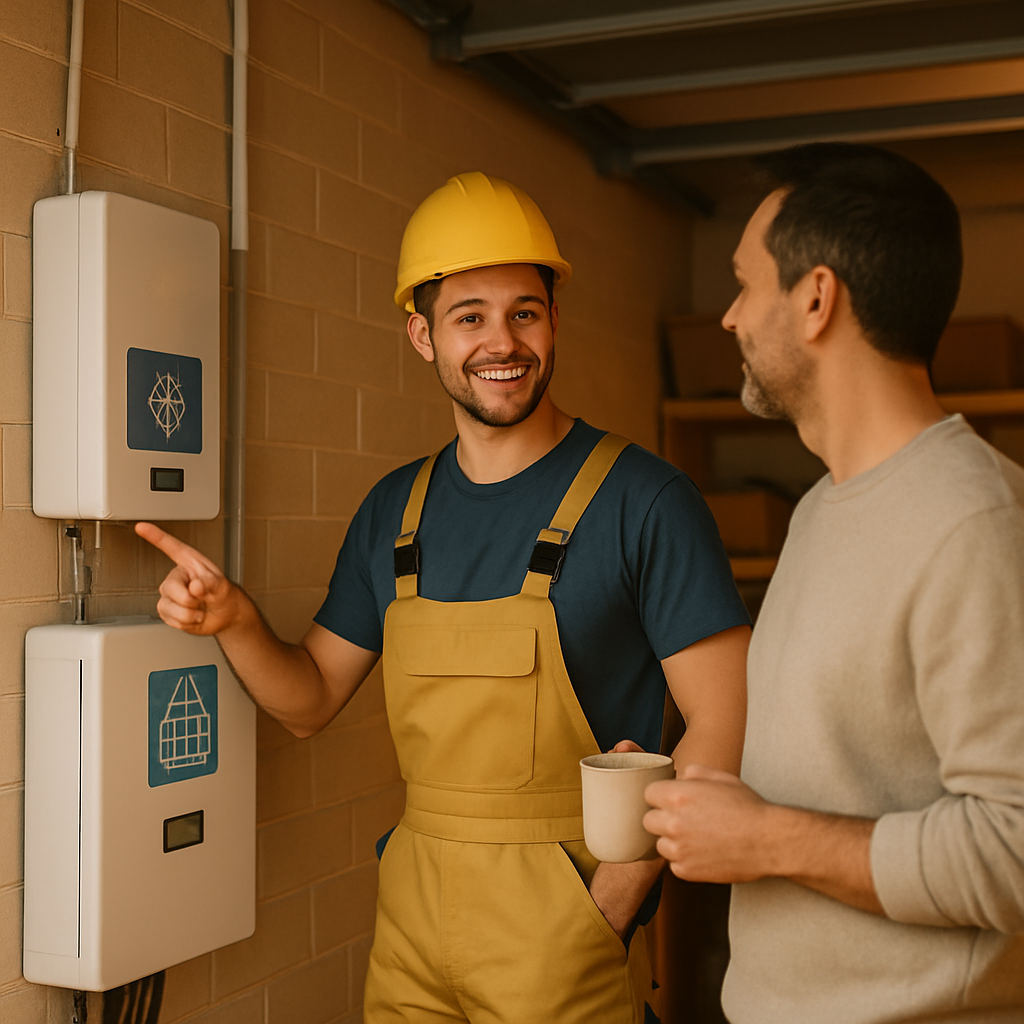
Solar self-consumption is simply the act of using the electricity your solar panels generate directly in your home, instead of exporting it to the grid. This is the most important concept for any solar owner in Queensland to understand because it’s where the biggest savings are.
Here’s the basic maths:
-
Cost to buy electricity: When you buy power from the grid (like at night), you might pay anywhere from 30 to 50 cents per kilowatt-hour (kWh).
-
Payment for selling electricity: When you sell your excess solar back to the grid, you get a solar feed-in tariff (FiT). In South East Queensland, there is no set minimum FiT, meaning retailers compete, but rates are often low, typically ranging from 5 to 12 cents per kWh.
The huge gap between what you pay for power and what you get paid for it is why maximising your solar self-consumption is so critical. Every kilowatt-hour of solar you use in your own home saves you from buying it at the high retail price. This is far more valuable than the small credit you get for exporting it.
Understanding your QLD household energy rhythm
For most Queensland households, energy use follows a predictable pattern that, unfortunately, doesn’t align well with peak solar generation. I often call this the daily “energy mismatch”.
-
Morning Peak (6 am – 9 am): Everyone is getting ready for work or school. Hot water systems, toasters, and coffee machines are all running, but your solar panels are only just starting to wake up.
-
Daytime Trough (9 am – 4 pm): Solar generation is at its absolute peak, with panels often producing far more power than the quiet house needs. This is when most of your valuable energy gets exported for that low feed-in tariff.
-
Evening Peak (4 pm – 9 pm): The family returns home. Lights and air conditioners switch on, dinner is cooked, and TVs are running. Energy consumption skyrockets just as solar generation drops to zero.
Without a way to bridge this gap, you’re forced to sell your cheap solar energy during the day and buy expensive grid energy every evening.
How a solar battery completely changes the game
A solar battery solves the energy mismatch. It acts like a personal energy reservoir, allowing you to capture and control the power you generate.
The process is simple but incredibly effective:
-
During the day: Once your home’s immediate needs are met, all the excess solar power that you would have exported is used to charge the battery.
-
During the evening: As the sun goes down and your panels stop producing, your home automatically begins drawing power from the battery instead of the grid.
By storing your own solar energy for the evening peak, you can dramatically lift your solar self-consumption from a typical 20-40% to over 80%. This is what turns a good solar investment into a great one.
Case Study: A Family in The Gap The Kumar family was facing quarterly power bills of over $600. They installed a 6.6kW system with Trina panels and a 10kWh Sungrow battery for a total cost of $15,500. After the federal battery rebate, their outlay was closer to $11,500. Their annual savings are now over $2,200, putting them on track for a payback period of just over 5 years, and their last bill was only the daily grid connection fee.
Choosing the right tools: Smart batteries and system sizing
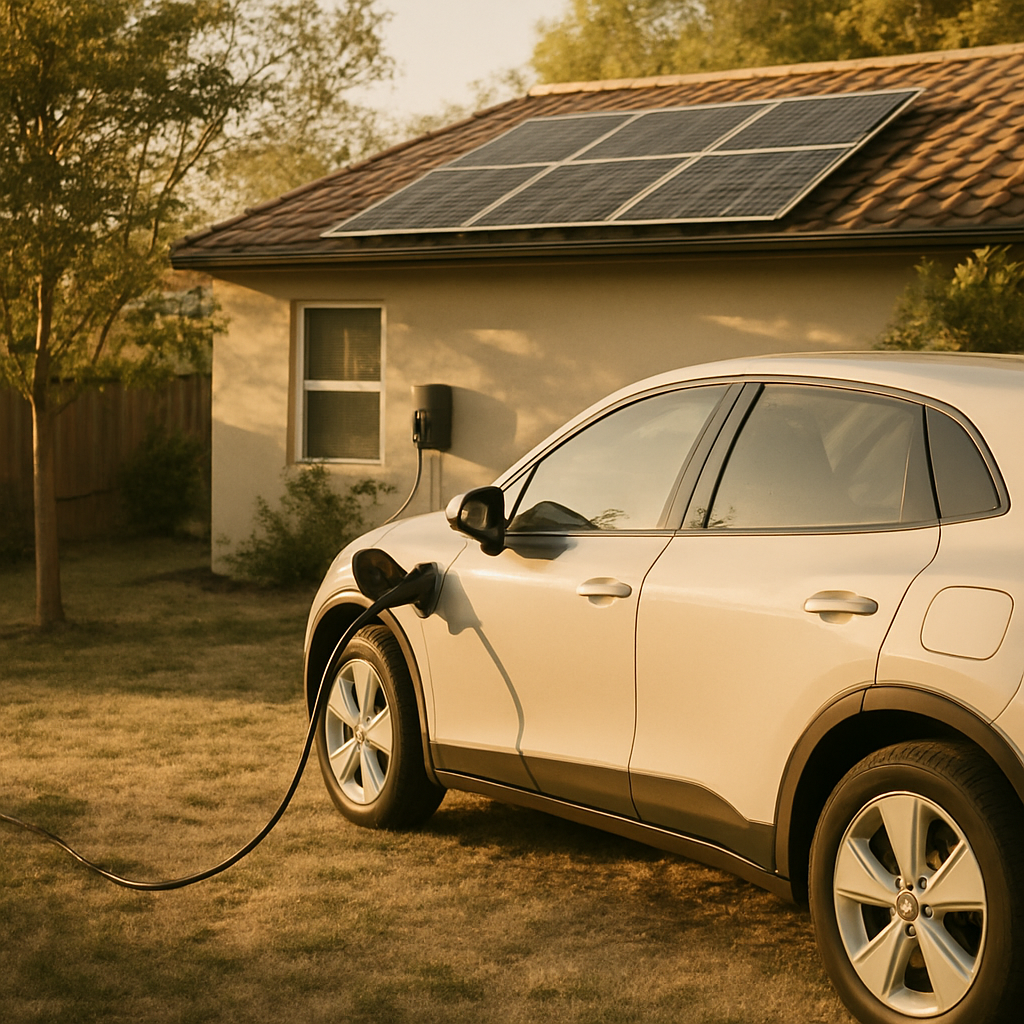
Modern solar batteries are more than just stored power; they are intelligent devices that optimise your energy use automatically. Two of the most popular and trusted options I see in Queensland homes are the Tesla Powerwall 3 and the Sungrow SBR series.
| Feature | Tesla Powerwall 3 | Sungrow SBR Series |
|---|---|---|
| Usable Capacity | 13.5 kWh | 9.6 kWh to 25.6 kWh (modular) |
| Key Feature | Excellent software & integrated inverter | Modular design (start smaller, add more later) |
| Avg. Installed Price | ~$14,000 – $16,000 | ~$10,000 – $13,500 (for 9.6-12.8kWh) |
| Warranty | 10 Years | 10 Years |
Gigi’s Pro Tip: When comparing battery warranties, look for the ‘cycle life’ or ‘throughput’ rating, not just the number of years. A 10-year warranty is less valuable if you exceed the warrantied energy throughput in year seven. A higher throughput figure means the battery is warrantied for more work over its lifetime.
Strategies for increasing solar self-consumption
Even before you get a battery, you can start building habits that will boost your self-consumption and save you money.
-
Shift your load: Run your high-energy appliances like the washing machine, dishwasher, and pool pump in the middle of the day (10 am to 3 pm). Use the delay-start function on these appliances.
-
Charge everything during the day: This includes laptops, power tools, and especially your electric vehicle (EV). Charging an EV can soak up the entire output of a large residential solar system, making it the ultimate tool for self-consumption.
-
Automate your home: Smart home technology can automatically turn on appliances when your solar system is exporting power. This can include pre-cooling your home with the air conditioner in the afternoon so it doesn’t have to work as hard in the evening.
QLD solar feed-in tariffs and government incentives
Understanding the financial landscape is crucial for making a smart investment.
-
Feed-in Tariffs: As of 2025, there is no mandatory minimum FiT in South East Queensland, so it pays to shop around. However, no tariff will ever be as valuable as the money you save by consuming your own power. In regional Queensland (on the Ergon Energy network), there is a minimum FiT set by the Queensland Competition Authority.
-
Queensland Battery Booster Program: This popular scheme offered significant rebates but is currently closed to new applications. It’s worth keeping an eye on government announcements in case a new round of funding is allocated.
-
Federal Cheaper Home Batteries Program: This is the big one. From July 2025, a new federal incentive program effectively provides a discount of around 30% on the cost of a new battery. This discount is applied upfront by your installer and can save you thousands, making the payback period much shorter.
To be eligible for any government incentives, your system must be installed by a Solar Accreditation Australia (SAA) accredited professional. This is the industry standard you should always look for.
A solar battery is a significant investment, but it’s the final piece of the puzzle for achieving true energy independence and maximising the savings from your solar panels. By storing the clean energy you generate during the day, you can power your Queensland home through the night, insulate yourself from rising electricity prices, and significantly reduce your carbon footprint.
If you’re feeling overwhelmed by the options, I can help. I can connect you with a trusted local expert who can provide a tailored quote for your home.