Fast Read
To apply for a solar feed-in tariff in QLD, your accredited solar installer will submit a network connection application to your electricity distributor—either Energex or Ergon Energy—on your behalf. Once your system is installed, they will send a final form to the distributor, who then notifies your electricity retailer. Your retailer will then arrange for your meter to be changed or reconfigured, which activates your feed-in tariff. The key is that the application is not made by you directly, but is a coordinated process between your installer, distributor, and retailer.
Applying for a solar feed-in tariff in Queensland might seem like just another box to tick, but it’s the crucial step that ensures you get paid for the extra solar power you send to the grid. The good news is that your solar installer handles most of the heavy lifting. This guide breaks down exactly what’s involved, who does what, and what you need to provide to make the process smooth from start to finish.
How to apply for solar feed-in tariff QLD: The process explained
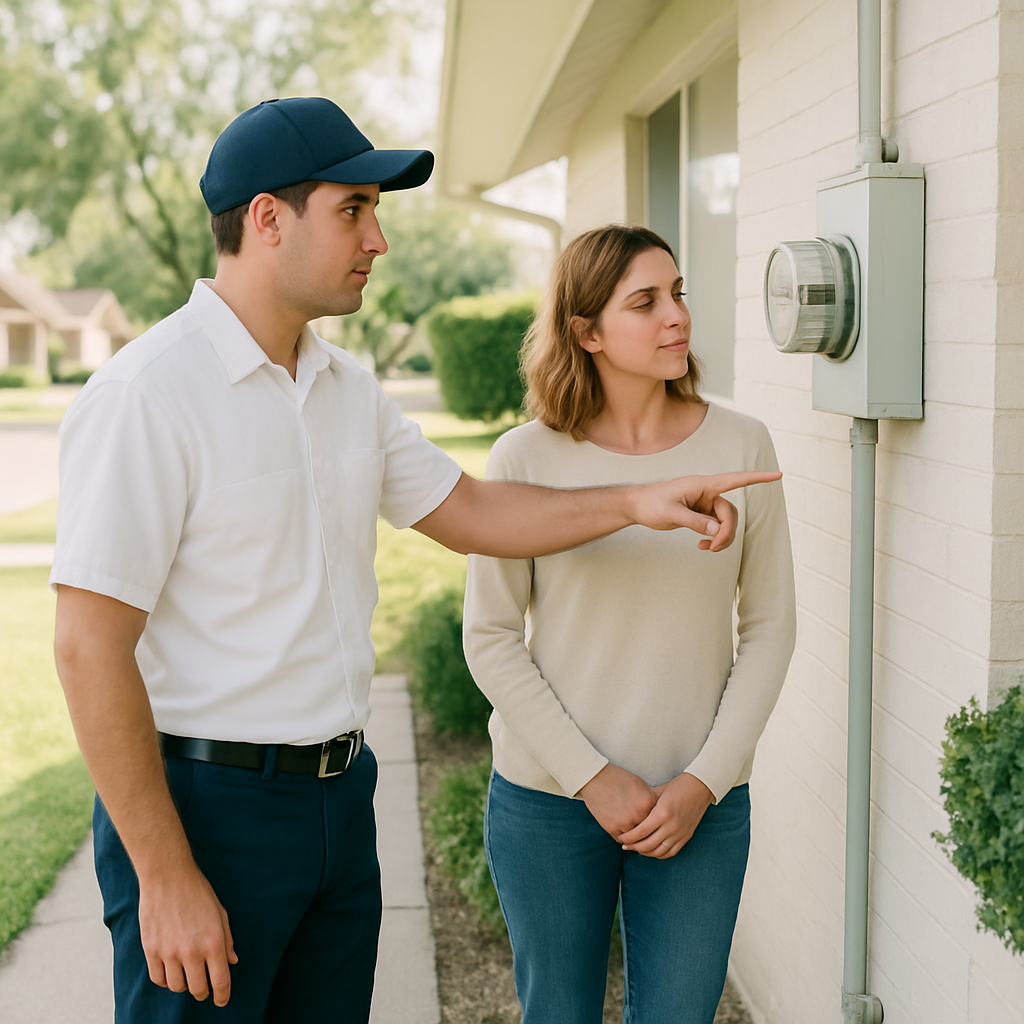
One of the most common questions I get is about the application process for the solar power feed-in tariff. It’s simpler than you might think because you, the homeowner, don’t actually fill out the application yourself. Your Solar Accreditation Australia (SAA) accredited installer manages the entire grid connection process for you.
Here is a step-by-step guide to applying for a solar feed-in tariff in QLD:
- Your installer submits a network connection application: Before any panels go on your roof, your installer must get approval from your electricity distributor. This involves submitting a ‘Network Connection Application’. In Queensland, your distributor is determined by your location: Energex for South East Queensland, including Brisbane, Gold Coast, and Sunshine Coast, and Ergon Energy for regional Queensland.
- The distributor provides a connection offer: The distributor assesses the application to ensure the grid in your area can support your new system. For most standard residential systems, this approval is often quick. Once approved, your installer receives a ‘Connection Offer’, giving them the green light to proceed with the installation.
- Installation and post-installation paperwork: After your solar system is installed, your installer submits a final form, often called an ‘Electrical Work Request’ (EWR), to the distributor. This certifies that the installation meets all Australian standards.
- Metering and retailer notification: The distributor then notifies your electricity retailer (like AGL or Origin) that your system is ready. Your retailer is responsible for arranging the installation of a new smart meter or the reconfiguration of your existing one. This new meter is crucial as it measures both the power you draw from the grid and the excess solar you export.
- Your feed-in tariff is activated: Once the new meter is installed and your system is switched on, your chosen electricity retailer will start applying the feed-in tariff credit to your electricity bill for any power you export.
Connecting to the grid with Energex and Ergon Energy
While your installer manages the applications, it helps to know what each distributor needs. The core of the solar feed-in tariff application process in Queensland is getting this grid connection approval right.
Energex solar connection process for homeowners
If you live in South East Queensland, your installer will deal with Energex. For a standard residential system, the process is streamlined through an online portal.
Information your installer will need from you for the Energex application:
- Your full name and property address.
- Your National Meter Identifier (NMI), which can be found on your electricity bill.
- Details from a recent electricity bill.
Your installer submits the technical specifications of your proposed solar system, and for most residential installations under 15kW, a ‘Basic Connection Offer’ is typically issued swiftly.
Ergon Energy solar feed-in tariff application process
For those in regional Queensland, the process with Ergon Energy is very similar. Your installer will submit the connection application on your behalf. In the Ergon network area, there is typically a fixed feed-in tariff rate set by the Queensland Competition Authority (QCA). For the 2025-26 financial year, the final rate was set at 8.66 cents per kilowatt-hour.
Information your installer will need for the Ergon application:
- Your full name and property details.
- Your NMI from your electricity bill.
- Confirmation of your current electricity retailer.
What your electricity retailer needs
Once your distributor has approved the connection, the focus shifts to your electricity retailer (the company that sends your bill). You don’t need to apply to them separately for a feed-in tariff; this is triggered by the grid connection process. However, it’s vital to be on a suitable plan.
- Gigi’s pro tip: Before you even start the solar installation process, it’s a great idea to shop around for an electricity plan with a competitive solar feed-in tariff. In South East Queensland, retailers offer varying rates, so comparing plans can make a big difference to your savings.
AGL and Origin Energy solar feed-in tariff applications
For major retailers like AGL and Origin Energy, the process is seamless once the distributor gives the go-ahead.
- AGL: When your installer notifies Energex or Ergon that your system is installed, this information flows through to AGL. They will then manage the meter change and apply their solar feed-in tariff to your account. AGL’s feed-in tariff rates can vary depending on the plan you’re on.
- Origin Energy: The process is identical. Origin receives the notification from the distributor and arranges the necessary metering works. Origin often has specific solar plans, like their ‘Solar Boost’ plans, which may offer a higher feed-in tariff.
Documents and checklists for your solar installation
To ensure a smooth application process, your installer will need some key information from you. Having this ready will prevent any delays.
Checklist of what your solar installer needs from you:
- A recent copy of your electricity bill (this contains your NMI and other crucial details).
- Proof of property ownership or permission if you are renting.
- Clear access to your switchboard and meter box on the day of installation.
Your installer will handle all the technical documentation, including system specifications, compliance certificates, and the official network connection forms.
How to check your solar feed-in tariff on your bill
After your system is up and running, your first electricity bill with solar can be exciting. Here’s how to find your feed-in tariff credit:
- Look for a section titled ‘Solar,’ ‘Solar Contribution,’ or ‘Solar Export.’
- You will see the amount of electricity you exported to the grid in kilowatt-hours (kWh).
- Next to this, you’ll see the feed-in tariff rate (e.g., 8.0c/kWh).
- The total credit will be shown, usually as a negative amount, which is then subtracted from your total bill.
Both AGL and Origin Energy bills will clearly itemise your solar feed-in credit. If you’re looking at your first bill from Ergon Energy in regional QLD, you will see the regulated tariff rate applied to your exported energy.
Navigating the application for a solar feed-in tariff in QLD is a process that your installer is expert in handling. Your main role is to choose a great installer and an electricity plan that rewards you for the clean energy you generate.
If you’re ready for a proper quote, I can introduce you to a trusted, SAA-accredited local expert—just fill out the form below. For a quick, personalised estimate of solar costs and savings for your home, try the free solar assistant on this page—it gives you a ballpark in minutes.