Fast Read
For Sydney’s climate, the best solar panels for your home balance high performance in heat, strong hail resistance, and protection against salt mist corrosion. Top-tier brands like REC and SunPower offer excellent durability and efficiency, while great value options such as Trina Solar, Jinko Solar, and Q CELLS provide robust performance ideal for the local conditions. Key features to look for are a low temperature coefficient (around -0.30%/°C or better), hail testing beyond the basic standard, and high-level salt mist corrosion certification (IEC 61701), especially for coastal homes. Expect a quality 6.6kW system in Sydney to deliver significant bill reductions and annual savings upwards of $2,000.
Why Sydney’s climate demands specific solar panel features
Choosing solar panels in Sydney isn’t just about finding the highest wattage. Our city has a unique combination of climate challenges that can seriously impact a panel’s performance and lifespan. I’m talking about more than just sunny days; we have to contend with intense summer heat, the risk of severe hailstorms, and for a huge portion of the city, corrosive salty air from the coast.
These three factors are critical because they directly affect how much power your panels generate and how long they last.
-
High Temperatures: It might sound strange, but solar panels actually lose efficiency as they get too hot. A panel sitting on a 40°C Sydney summer day can reach temperatures of 65°C or more, reducing its power output just when you need it most.
-
Hail Damage: While not a daily threat, Sydney has a history of significant hailstorms that can cause physical damage to panels, leading to costly replacements.
-
Salt Mist Corrosion: For anyone living within a few kilometres of the coastline, the salt in the air can corrode panel frames, connections, and even penetrate the panel’s backing sheet over time, causing failures.
Beating the heat: How high temperatures affect solar panel performance
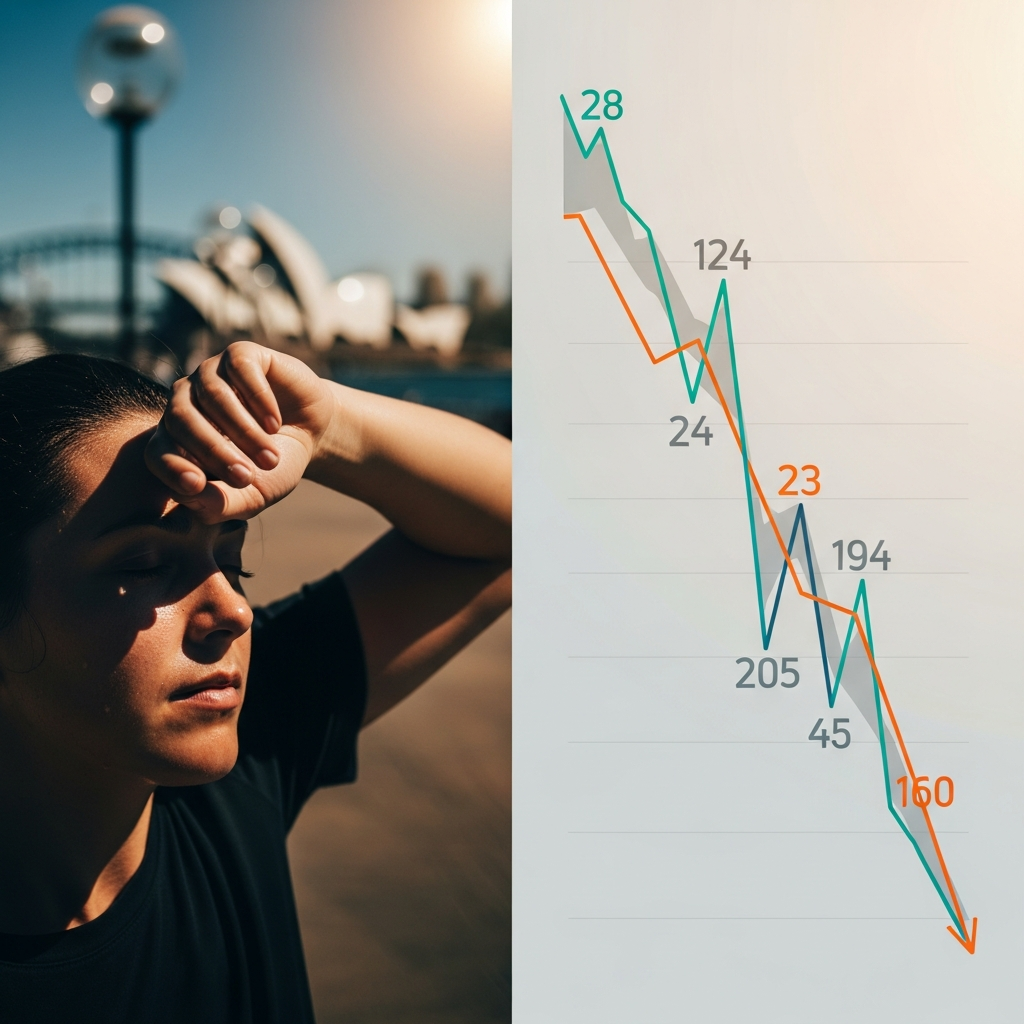
Every solar panel has a “temperature coefficient,” which is a rating that tells you how much its power output will drop for every degree Celsius the panel’s temperature rises above 25°C. This is a crucial number on any panel’s datasheet, especially for a climate like Sydney’s.
The number is shown as a negative percentage, for example, -0.35%/°C. A lower number (closer to zero) is better because it means the panel loses less efficiency in the heat. For instance, a panel with a -0.29%/°C coefficient will perform significantly better on a hot day than one rated at -0.40%/°C.
Modern N-type panels, like those from REC, Jinko, and Trina, generally have better (lower) temperature coefficients than older P-type technology. This makes them a smarter choice for homeowners in Sydney looking to maximise their energy generation during our long, hot summers.
Hail resistance: Protecting your investment from severe storms
When it comes to hail, most quality solar panels are surprisingly tough. The industry standard test (IEC 61215) involves firing 25 mm ice balls at the panel at over 80 km/h. However, some manufacturers go much further, recognising that Australian storms can be more severe.
Brands like REC, Jinko, and Trina often engineer their panels to withstand larger hailstones, sometimes up to 35mm or even more. Q CELLS also designs its high-quality panels for enhanced durability, with some models qualified to withstand 45mm diameter hail, well beyond the industry standard. This enhanced durability provides peace of mind that your investment is better protected against the unpredictable Sydney weather.
Coastal living: Why salt mist corrosion is a major threat in Sydney
If you live in the Eastern Suburbs, Northern Beaches, Sutherland Shire, or anywhere near the coast, this is non-negotiable. Salt-laden air is highly corrosive and can wreak havoc on the metallic components of a solar panel, including the frame and junction box. Over years, this can lead to panel failure.
To combat this, you must look for panels with certification for “Salt Mist Corrosion Resistance” under the standard IEC 61701. This test involves subjecting the panel to a highly concentrated salt spray for an extended period to simulate years of coastal exposure. The certification has multiple severity levels, and for coastal Sydney, you should insist on the highest rating. Brands like SunPower, REC, Jinko and Q CELLS explicitly certify their panels to this high standard, making them a safe bet for coastal homes.
Top solar panel brands for Sydney in 2025

After analysing datasheets and speaking with local installers, a few brands consistently stand out for their suitability to Sydney’s climate. I’ve broken them down into ‘Premium’ and ‘Great Value’ tiers.
| Brand | Tier | Key Strengths for Sydney | Temp. Coefficient (Pmax) | Hail & Salt Mist Resistance |
|---|---|---|---|---|
| REC | Premium | Excellent temperature performance, superior hail resistance (certified up to 35mm), and top-level salt mist certification. | ~ -0.24% to -0.26%/°C | Excellent |
| SunPower Maxeon | Premium | Industry-leading efficiency and durability, with a strong temperature coefficient and Level 6 salt mist approval. | ~ -0.29%/°C | Excellent |
| Q CELLS | Great Value | German-engineered with excellent durability, certified for high salt mist resistance and robust hail tolerance. A strong all-rounder. | ~ -0.34%/°C | Very Good |
| Trina Solar | Great Value | Very popular with installers. The Vertex S+ models offer great heat performance, solid durability and are certified for harsh marine settings. | ~ -0.30%/°C | Very Good |
| Jinko Solar | Great Value | A global leader offering a great balance of price and performance. Tiger Neo panels have a good temp. coefficient and are certified for high salt mist resistance. | ~ -0.29%/°C | Very Good |
Gigi’s Pro Tip: Datasheets can be updated with new models. When you get a quote from an installer, ask for the specific datasheet for the panel model they are proposing (e.g., “Jinko Tiger Neo N-Type 440W”). Check the temperature coefficient and certifications yourself to ensure you’re getting what you need.
What solar panels do top Sydney installers recommend?
From my discussions with SAA-accredited installers across Sydney, there’s a clear consensus. They consistently recommend the brands that have proven their reliability in local conditions and are backed by strong Australian support and warranties.
Installers in 2025 often favour REC and SunPower for customers seeking the best long-term performance and durability. For those balancing budget with quality, Trina Solar, Jinko Solar, and Q CELLS are overwhelmingly the most recommended brands, praised for their reliability and suitability for Sydney’s climate. A good installer will focus on these trusted names, as they know the products deliver on their promises and won’t lead to issues down the track.
Case Study: A Family in Cronulla The Nguyen family was tired of their $700 quarterly power bills, especially during summer when the air conditioning was running constantly. They installed a 6.6kW system using salt-mist certified Trina Solar panels and a Sungrow inverter for a total cost of around $6,500 after the federal rebate. Their last quarterly bill was just $55, and their annual savings are now projected to be over $2,400. This puts them on track for a payback period of well under 3 years, all while using clean energy.
Making your final decision
Choosing the best solar panels for your Sydney home comes down to matching the panel’s technical specifications to our city’s unique climate challenges. Prioritise a low temperature coefficient to maximise summer generation, ensure the panel has strong hail durability ratings, and if you’re anywhere near the coast, insist on the highest level of salt mist corrosion certification.
By selecting a quality panel from a reputable brand like REC, SunPower, Q CELLS, Trina, or Jinko, you can be confident your investment will perform well for decades.
If you’d like to get a clearer picture of costs and system design for your specific home, I can connect you with a trusted local expert. They can provide a free, no-obligation quote based on your roof and energy needs.