Fast Read
As of October 2025, the cost of adding a battery to an existing solar system in Brisbane typically ranges from $8,000 to over $16,500, fully installed. This price depends on the battery's size (capacity in kWh), the brand you choose, and whether your system needs a new hybrid inverter. Thankfully, a new federal government rebate can significantly reduce this upfront cost, making it a more attractive option than ever.
Solar battery prices Brisbane 2025

First, let’s look at the sticker price. In 2025, the solar battery market in Brisbane is bustling with options, which is great for us consumers. Generally, you can expect a quality home battery to cost somewhere between $9,000 and $16,500 for a fully installed system. For a standard 10kWh battery, which is a popular size for average households, you’re likely looking at a range of $8,999 to $16,000.
Several key things influence this price:
- Battery size (kWh): The bigger the capacity, the higher the cost. A small 5-7kWh battery might cost between $5,500 and $8,000, while a larger 15-20kWh unit can push the price to $15,000–$20,000 or more.
- Brand and technology: Premium brands known for advanced features and long warranties, like Tesla, tend to cost more than reliable, budget-friendly options such as Sungrow or Alpha ESS.
- Installation complexity: If you’re retrofitting a battery to an older solar system or if your switchboard needs an upgrade to meet current safety standards, this will add to the final installation cost.
How much popular battery models cost in Brisbane
To give you a clearer picture, let’s look at some of the brands I see most often when talking to installers.
Tesla Powerwall 3 cost Brisbane
The Tesla Powerwall is probably the most recognised name in home batteries. The latest model, the Powerwall 3, is an impressive piece of kit. For a fully installed Tesla Powerwall 3 in Australia, you can expect to pay between $13,000 and $17,500 in 2025. This price usually includes the battery unit itself, an integrated inverter (which is a big plus), and standard installation.
Sungrow SBR battery price Australia
Sungrow is a fantastic option if you’re looking for a balance of performance and affordability. They are known for being reliable and have become very popular in the Brisbane market. A 9.6kWh Sungrow SBR battery typically costs between $7,800 and $8,300 fully installed. If you need more storage, a larger 12.8kWh system might be in the $9,500 to $10,200 range.
LG RESU battery cost Brisbane
LG has been a trusted name in electronics for years, and their RESU (Residential Energy Storage Unit) batteries are a solid choice. While there have been some recalls in the past, the current models are popular. An LG RESU10, which offers around 8.8kWh of usable energy, can start from around $5,000 for the unit, with total installation costs varying. For a larger 13kWh model, you could be looking at a higher price point.
What are the real installation costs?
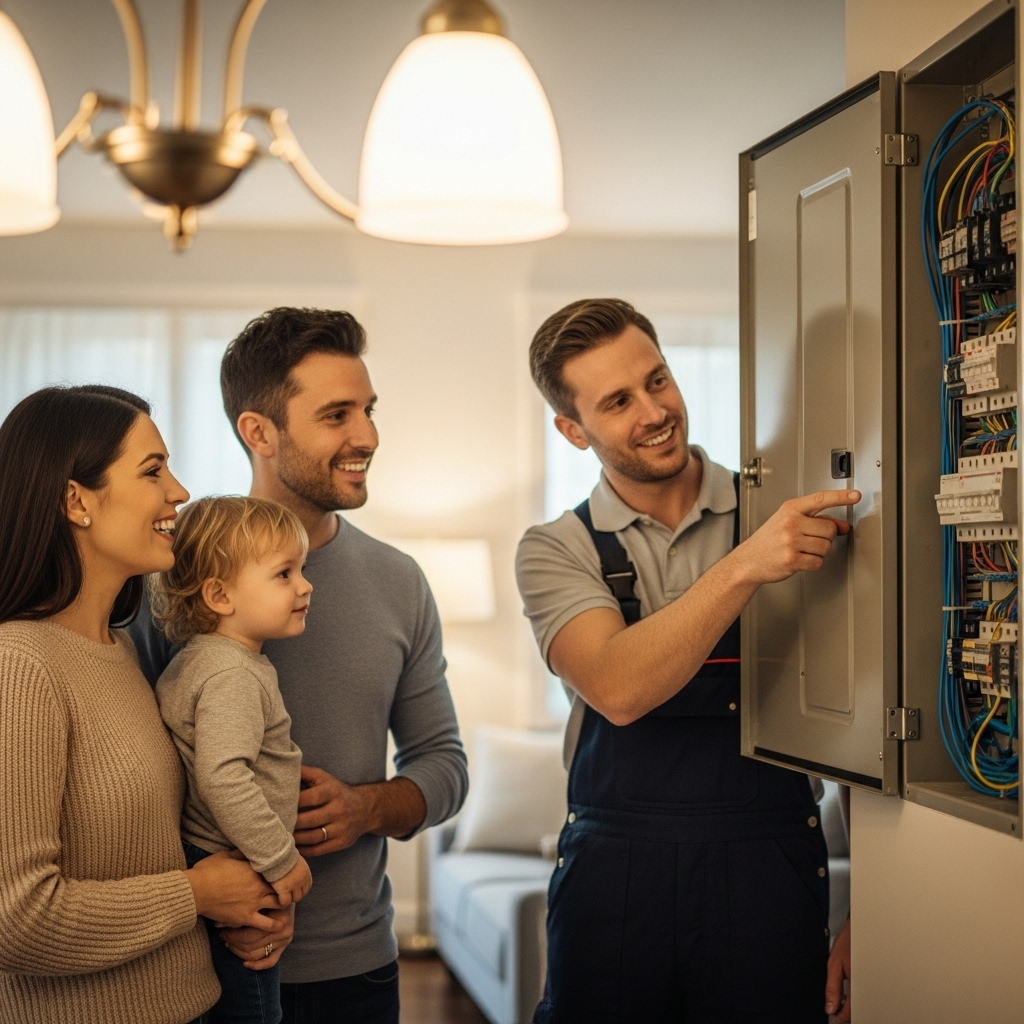
The battery unit itself is only part of the final bill. The solar battery installation cost in Brisbane can vary, but it’s crucial to get it right for safety and performance. Installation typically includes labour from a qualified, SAA-accredited installer, any necessary wiring, and ensuring the system is safely connected to your switchboard and the grid.
Gigi’s pro tip: Always get at least three itemised quotes from different Solar Accreditation Australia (SAA) accredited installers. This helps you compare not just the final price, but also the hardware they are proposing and what’s included in the installation.
Are there any Queensland government solar battery rebates in 2025?
This is the exciting part! While Queensland’s own state-level “Battery Booster Program” has closed, there’s a fantastic new federal government incentive called the Cheaper Home Batteries Program that launched on 1 July 2025.
Here’s what you need to know:
- It can reduce the cost of installing a battery by up to 30%.
- The rebate is estimated to be around $352 per usable kWh of battery capacity. For a typical 11-13kWh battery, this could mean a discount of up to $4,000.
- To be eligible, the battery system must be on the approved product list and installed by an SAA-accredited installer.
This federal rebate makes a huge difference to the upfront cost and is the most significant financial help available to Brisbane homeowners right now.
Do I need a new inverter and how much will it cost?
This is a really common and important question. Your existing solar panels are connected to an inverter that converts the DC power they generate into AC power your home can use. To add a battery, you need a special type of inverter that can manage the flow of energy to and from the battery.
If you have a standard solar inverter, you’ll likely need to either:
- Replace it with a hybrid inverter: A hybrid inverter can manage solar panels, a battery, and your connection to the grid all in one box. This is often the neatest solution. A new hybrid inverter in Brisbane can cost between $3,600 for a single-phase model and $4,500 for a three-phase model.
- Add a separate battery inverter (AC coupling): This inverter works alongside your existing solar inverter.
AC coupled vs DC coupled solar battery cost Australia
When you add a battery, it can be “AC coupled” or “DC coupled.” I won’t get too technical, but here’s the simple version.
- AC coupled: This is the most common way to add a battery to an existing solar system. It uses a separate battery inverter and is generally easier and more cost-effective for retrofits. You don’t need to replace your current solar inverter, which saves on costs.
- DC coupled: In this setup, a single hybrid inverter manages both the solar panels and the battery. This is slightly more efficient as there are fewer energy conversions. It’s the ideal choice if you’re installing solar panels and a battery at the same time, but can be more expensive if you have to replace a perfectly good existing inverter.
For most people in Brisbane adding a battery to their current system, an AC-coupled solution will be the most straightforward and budget-friendly path.
So, is it worth adding a battery?
With the federal rebate cutting thousands off the upfront cost, and electricity prices staying high, adding a battery to your solar system in Brisbane is more financially viable than ever. The payback period for a combined solar and battery system in Brisbane is typically between 7 and 12 years. It gives you energy independence, protects you from blackouts, and lets you use your own clean energy around the clock.
If you’re ready to take the next step and get a proper quote, I can introduce you to a trusted, SAA-accredited local expert who can assess your home and give you a detailed price.