Fast Read
Comparing solar quotes in Brisbane can feel overwhelming, but it's the best way to secure a great long-term investment for your home. For a typical 6.6kW system in 2025, expect to pay between $5,200 and $8,800, while a 10kW system generally costs $8,000 to $12,000 after the federal rebate. The key is to look beyond the price tag at the quality of the panels and inverter, the installer's accreditation with Solar Accreditation Australia (SAA), and the long-term warranties on offer.
Getting quotes for solar is one of the most important steps on your home energy journey. It’s also the one that can feel the most confusing. With so many brands, installers, and technical terms flying around, how do you know if you’re getting a fair price and a quality system?
I’ve been there. When we first looked at solar, the quotes felt like they were written in another language. That’s why I’ve put together this guide—to walk you through how to confidently compare solar quotes in Brisbane, what things really matter, and the questions you need to ask to protect your investment.
How to properly compare solar quotes Brisbane
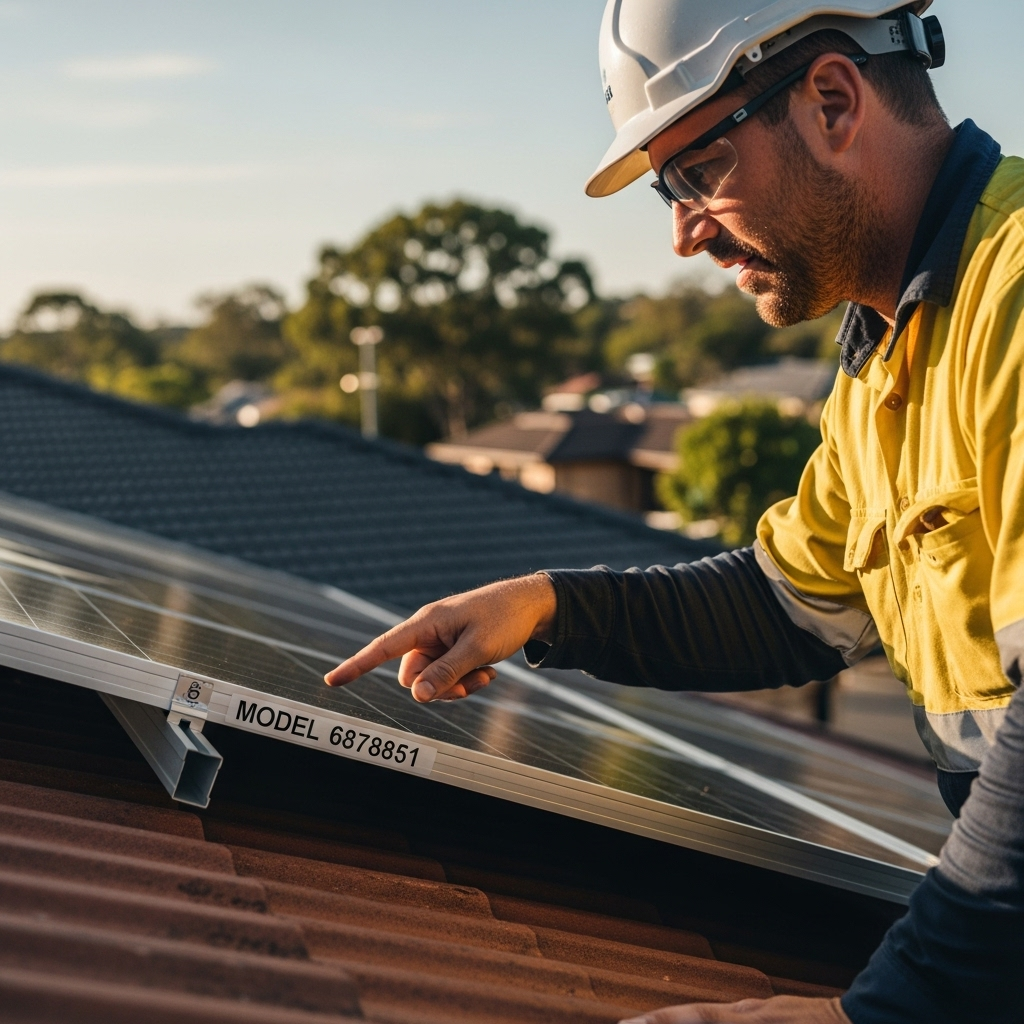
When the quotes land in your inbox, it’s tempting to just scan for the lowest price. But a good deal is about long-term value, not just the upfront cost. I always recommend getting at least three quotes to get a feel for the market. Once you have them, here’s how to break them down like a pro.
- Check the system components: Look for the specific brand and model of the solar panels and the inverter. These are the heart of your system. A cheap quote might use lower-tier panels that degrade faster or a less reliable inverter, which could cost you more in the long run.
- Analyse the warranties: Panel Product Warranty: This covers defects in the panel itself. Look for a minimum of 12-15 years; premium panels often offer 25 years.
- Analyse the warranties: Panel Performance Warranty: This guarantees the panel’s output over time, typically promising around 80% of its original output after 25 years.
- Analyse the warranties: Inverter Warranty: A standard inverter warranty is 5 years, but many quality brands offer a 10-year warranty as standard or as a paid upgrade. Given the inverter is the hardest working part of your system, this is crucial.
- Verify the installer: The company installing your system is just as important as the hardware. Ensure they are a legitimate business with a local office and a history of quality installations. The most critical check is their accreditation.
- Read the fine print: Does the quote include GST? Does it detail all the components, from racking to wiring? Are there any extra costs mentioned for things like a difficult roof or meter box upgrade? A transparent quote should itemise everything.
***
Gigi’s pro tip: Be wary of high-pressure sales tactics. An installer pushing for an on-the-spot decision or offering a “limited time” deal that sounds too good to be true is a red flag. A reputable company will give you time to do your research.
Average cost of a 6.6kW solar system in Brisbane for 2025
The 6.6kW solar system is the most popular size across Australia, and for good reason. It hits the sweet spot for many Brisbane households, offering enough generating capacity to make a serious dent in electricity bills without being oversized.
As of October 2025, the average price for a fully installed 6.6kW solar system in Brisbane ranges from $5,200 to $8,800. This price includes the federal government’s Small-scale Technology Certificate (STC) rebate, which is applied as an upfront discount.
Why the wide price range? It comes down to:
- Quality of Components: A system using premium, high-efficiency panels (like REC or SunPower) and a top-tier European inverter (like Fronius) will be at the higher end. A budget-friendly system might use reliable Chinese panels (like Jinko or Trina) and a quality string inverter (like Sungrow or GoodWe).
- Installer Reputation: Experienced installers with a strong track record and in-house teams may charge more than newer companies or those who use subcontractors.
- Installation Complexity: A simple, single-storey tin roof installation will cost less than a complex job on a multi-storey, tiled roof.
Price of a 10kW solar system installed in Brisbane
For larger households with higher energy consumption—perhaps you have a pool, ducted air conditioning, or an electric vehicle—a 10kW system is often a better fit.
In Brisbane, the price for a 10kW solar system in 2025 typically falls between $8,000 and $12,000 after the STC rebate. Some premium systems can cost more, especially if you opt for the highest-efficiency panels. A 10kW system requires more panels (usually 23-30) and more roof space, but it offers significant long-term savings for energy-hungry homes.
If you’re considering adding a solar battery, the total cost will increase significantly. A 10kWh battery can add between $8,999 and $16,000 to the total price.
Best solar installers Brisbane reviews
Choosing the right installer is the single most important decision you’ll make. A great installer will design a system tailored to your needs, use quality components, and provide excellent after-sales support.
While “best” can be subjective, here are some of the consistently well-reviewed and respected solar installers in the Brisbane area:
- MC Electrical: Based in Eagle Farm, they are widely recognised for their high-quality installations and technical expertise.
- Sunlogics Solar & Electrical: A family-owned business known for not using subcontractors and having a perfect 5-star Google review record from over 150 customers.
- Optimum Solar Energy: The founder is a hands-on installer, and the company is highly regarded for its customer service and quality installs, including off-grid systems.
- Symons Energy: Praised for having the business owner involved in every installation from start to finish, ensuring high customer satisfaction.
- Esteem Energy and Maritz Electrical: Both are noted for their customer-centric approach and use of high-quality solar products.
When researching, look for companies with a physical Brisbane office, a long history in the industry, and positive, detailed customer reviews on independent sites like Google, ProductReview.com.au, and SolarQuotes.
Queensland government solar rebates 2025

Navigating rebates can be tricky, but in Queensland, it’s fairly straightforward for homeowners.
- Federal STC Rebate: The main financial incentive is the federal Small-scale Renewable Energy Scheme (SRES). This provides Small-scale Technology Certificates (STCs) which are traded to discount the upfront cost of your system. For a 6.6kW system in Brisbane, this typically equates to a discount of around $2,155 to $2,500. Your installer will almost always handle the paperwork and include this discount directly in your quote.
- Supercharged Solar for Renters: In exciting news for 2025, the Queensland Government is launching the “Supercharged Solar for Renters” program. This scheme provides a rebate of up to $3,500 to eligible landlords to install solar on their rental properties, helping tenants save on their power bills.
- Interest-Free Loans: The Queensland government has previously offered interest-free loans for solar panels and batteries. It is worth checking for the current availability of these loans when you are getting quotes.
The popular Solar Bonus Scheme, with its high 44-cent feed-in tariff, closed to new applicants years ago. Today’s feed-in tariffs are much lower and offered by energy retailers.
Why you must use a Solar Accreditation Australia (SAA) approved installer
This is a non-negotiable. To be eligible for the federal STC rebate, your system must be installed by an individual accredited by Solar Accreditation Australia (SAA).
The accreditation scheme fully transitioned from the Clean Energy Council (CEC) to SAA in May 2024. While you may still see references to the CEC, SAA is now the official accreditation body for solar installers. An SAA-accredited installer is trained to meet Australian standards and industry best practices, ensuring your system is safe and reliable.
Before you sign a contract, ask for your installer’s SAA accreditation number and verify it on the SAA website. This is a simple check that gives you peace of mind.
Solar panel and inverter brands price comparison Australia
The brands you choose will have a big impact on your system’s cost and long-term performance. Here’s a quick breakdown of where some popular brands sit in the market.
Solar Panels:
- Budget-Friendly (Good Quality): Brands like Jinko Solar, Trina Solar, and Canadian Solar offer excellent value and are used in a huge number of Australian installations. A single panel might cost around $130.
- Mid-Range (Better Performance): Qcells is a popular brand in this tier, known for quality and performance.
- Premium (High Efficiency & Durability): SunPower and REC are considered top-of-the-line. They cost more upfront—a premium panel can be over $290—but they often come with longer warranties and perform better in hot Brisbane conditions.
Solar Inverters:
- Budget-Friendly (Good Quality): GoodWe and Sungrow are highly regarded as reliable, cost-effective inverters. A 10kW GoodWe inverter might cost around $1,300.
- Premium (Top-Tier Performance & Support): Fronius, an Austrian brand, is legendary in the Australian market for its reliability and excellent local support. A 10kW Fronius inverter could be around $3,700, reflecting its premium quality.
Key questions to ask a solar installer before getting a quote
To make sure you’re comparing apples with apples, here are the essential questions to ask every potential installer:
1. Are you the one who will be installing the system, or do you use subcontractors?
2. What is your (and your team’s) SAA accreditation number?
3. How long have you been in business, and can you provide references from recent customers in my area?
4. Based on my energy bill and roof, what system size do you recommend and why?
5. What brands of panels and inverters have you quoted, and why did you choose them for my home?
6. Are these components sourced from an Australian-based supplier for easier warranty claims?
7. What are the full warranty details for the panels, the inverter, and your installation workmanship?
8. Does the quoted price include full installation, GST, and all the necessary paperwork for grid connection?
9. Can this system be easily upgraded later if I want to add a battery?
10. What are your payment terms, and do you offer any financing options?
Getting clear answers to these questions will help you filter out less reputable companies and find a trusted expert who will install a safe, high-performing system.