Fast Read
Yes, for most Brisbane homeowners, installing solar panels is absolutely worth it in 2025. Thanks to Brisbane's abundant sunshine, government rebates that reduce upfront costs, and the potential to slash your power bills, a typical solar system can pay for itself in just 3 to 5 years. After that, the savings on your electricity bills are money straight back into your pocket.
I get this question all the time: with the rising cost of living, is now a good time to invest in solar panels for my Brisbane home? It’s a big decision, and it’s easy to get overwhelmed by the numbers, the technology, and the promises you see online.
My goal is to make home energy simple. So, let’s break down the real-world costs and benefits of going solar in the Sunshine State capital in 2025. We’ll look at everything from installation prices to how much you can realistically save, helping you decide with confidence.
How much do solar panels cost in Brisbane in 2025?

First, let’s talk about the upfront investment. The good news is that prices for solar panel systems in Australia are among the lowest in the world.
For a typical 6.6kW solar system, which is a popular choice for many Brisbane homes, you can expect to pay between $4,500 and $6,000 after the federal government rebate is applied. A larger 10kW system will generally cost between $7,500 and $10,500.
- Cost Reality Check: Prices can vary based on the quality of the panels and inverter you choose. Premium, high-efficiency brands will cost 20-30% more than standard options. While it might be tempting to go for the cheapest quote, investing in quality components from a reputable installer often provides better long-term value and performance.
What’s the average electricity bill in Brisbane?
To understand your potential savings, you need to know what you’re currently spending. As of 2025, the average electricity bill for a Brisbane household is around $179 to $200 per month, or about $535 to $600 per quarter. Of course, this varies widely depending on the size of your home, how many people live there, and your energy habits. A four-person household could easily pay over $250 per month.
With grid electricity prices sitting around 27-33 cents per kilowatt-hour (kWh), using your own solar power instead becomes very attractive.
What are the Queensland solar feed-in tariffs in 2025?
A feed-in tariff (FiT) is the small credit your electricity retailer pays you for any surplus solar energy your system generates and sends back to the grid.
In South East Queensland, including Brisbane, these rates are not fixed by the government; retailers set their own competitive rates. In 2025, you can expect FiT offers to range from around 5c to 12c per kWh. Some plans offer a higher rate for the first block of energy you export each day, which can be beneficial.
- Gigi’s Pro Tip: Don’t just chase the highest feed-in tariff. Some plans with high FiTs have higher daily supply charges or usage rates. The goal is to maximise self-consumption—using the solar power yourself—as this saves you paying the much higher rate to buy electricity from the grid.
Are there government solar rebates in Queensland for 2025?
Yes, the main incentive available to Brisbane homeowners is the federal Small-scale Renewable Energy Scheme (SRES). This isn’t a cash rebate but an upfront discount on the cost of your system.
It works through Small-scale Technology Certificates (STCs). The number of STCs your system is eligible for depends on its size and your location (Brisbane is in Zone 3). Your solar installer handles all the paperwork and applies the discount directly to your quote, so the price you see is the final out-of-pocket cost. For a 6.6kW system in Brisbane, this federal incentive can reduce the total cost by over $2,000.
It’s important to know that the value of this rebate reduces slightly each year, so acting sooner rather than later can lock in a larger discount.
Calculating the payback period: are solar panels worth it in Brisbane?
The payback period is the time it takes for your savings on electricity bills to cover the initial cost of your solar system. In Brisbane, this period is remarkably short.
With high sunshine hours and strong potential savings, the average payback period for a quality solar system in Brisbane is between 3 and 5 years. Given that solar panels have a lifespan of 25 years or more, you could enjoy two decades of free electricity after your system has paid for itself.
What is the best solar panel size for a Brisbane home?
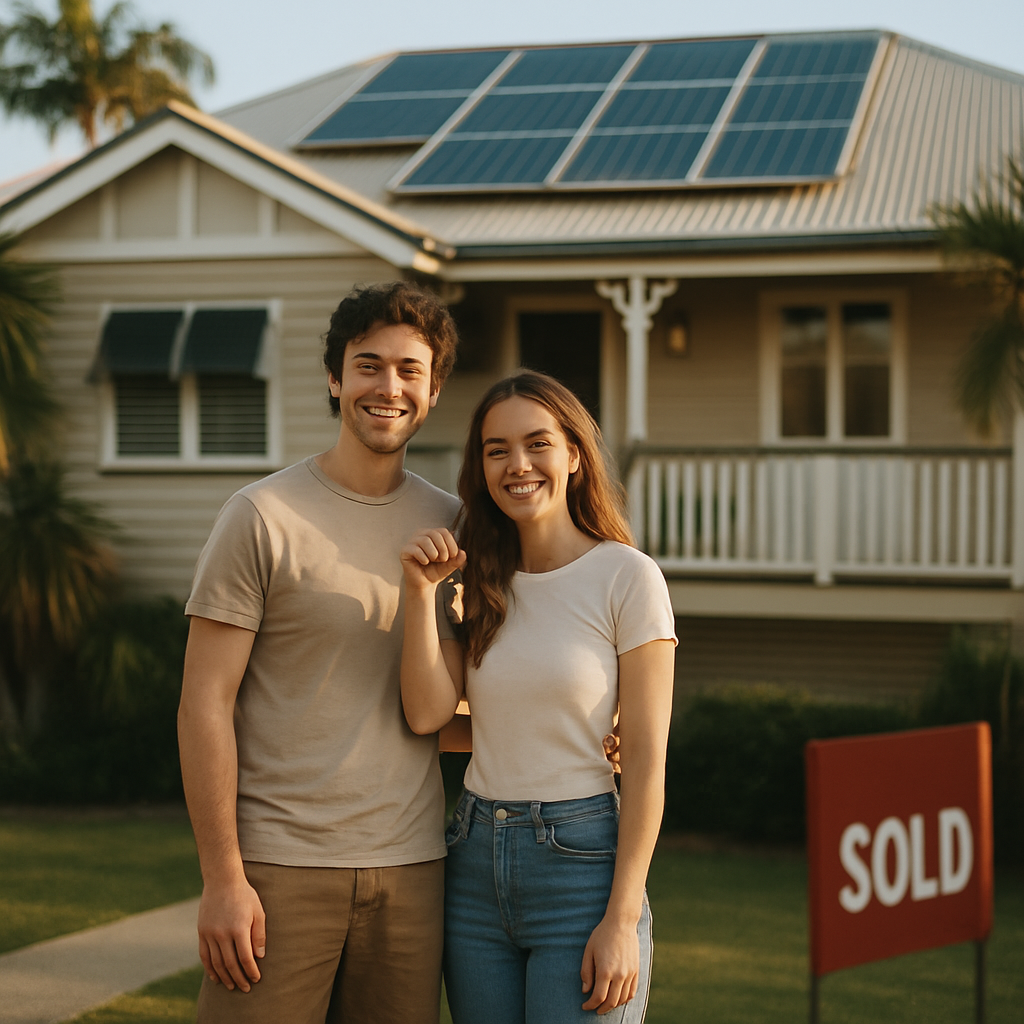
The most popular system size in Brisbane is 6.6kW, as it hits a sweet spot for affordability and production, meeting the needs of many average households. However, the “best” size depends entirely on your circumstances.
Consider these factors:
- Your energy consumption: Look at your quarterly power bills to see your average daily usage in kWh.
- Your daily routine: If your home is empty during the day, you’ll export more power. If people are home using appliances, you’ll self-consume more.
- Future plans: Are you thinking about getting an electric vehicle or a solar battery in the future? It might be wise to install a larger system now to accommodate that extra demand.
A trusted installer can analyse your energy bills and help you choose the perfect size for your home solar panels.
How well do solar panels perform in a Brisbane winter?
This is a common worry, but the answer is reassuring. Solar panels work by converting sunlight, not heat, into electricity. In fact, cooler temperatures can actually improve panel efficiency.
While the days are shorter in winter, Brisbane still gets plenty of sunshine. A solar system in Brisbane will still produce effectively during the cooler months, often operating at around 73% of its average annual output, which is one of the best winter performances among major Australian cities. You’ll produce less than in the peak of summer, but it will still make a significant dent in your power bills.
What are the ongoing solar panel maintenance costs?
Solar panels are incredibly low maintenance. They have no moving parts and are built to withstand the elements. However, a little upkeep can ensure they perform at their best.
- Cleaning: In most parts of Brisbane, regular rainfall is enough to keep panels clean. If you’re in a particularly dusty area or notice a drop in performance, a professional clean might be needed. This can cost between $150 and $330.
- Inspections: It’s a good idea to have your system professionally inspected every year or so to check the wiring and components. An annual check-up typically costs between $140 and $180. This can help extend the life of your system and ensure it’s operating safely.
How do homes with solar panels affect property value in Brisbane?
Installing solar panels is not just an investment in lower energy bills; it’s an investment in your property. Studies have consistently shown that homes with solar panels can sell for more and often sell faster than those without.
One 2025 analysis found that solar panels could increase a Brisbane home’s value by an average of $30,219. Buyers are increasingly attracted to the long-term savings and sustainability that a home with solar panels offers.
How do I find the best solar installers in Brisbane?
Choosing the right installer is the most critical step in your solar journey. A great installation by a qualified professional will ensure your system performs efficiently and safely for decades.
Here’s what to look for:
- SAA Accreditation: This is non-negotiable. Ensure your installer is accredited by Solar Accreditation Australia (SAA). This is the new industry standard, replacing the old CEC accreditation, and is a requirement to be eligible for the government STC rebate.
- Local Experience: Look for an installer with a proven track record in the Brisbane area. They will understand local weather conditions, council requirements, and Energex network rules.
- Multiple Quotes: Always get at least three detailed quotes. Don’t just compare the final price; look at the brands of panels and inverters offered, warranty terms, and the installer’s reviews.
- Avoid High-Pressure Sales: A trustworthy installer will focus on educating you and designing a system that suits your specific needs, not pushing you into a quick decision.
The verdict
So, are solar panels worth it in Brisbane? With a payback period as short as three years, the ability to significantly reduce or even eliminate your power bills, and the added value to your home, the answer for 2025 is a resounding yes.
The key is to do your research, choose quality components, and partner with a highly reputable, SAA-accredited installer.
If you’re ready for a proper quote, I can introduce you to a trusted, SAA-accredited local expert—just fill out the form below. For a quick, personalised estimate of solar costs and savings for your home, you can also try the free solar assistant on this page.