Fast Read
For Sydney homes with shaded roofs, the best solar inverters are those that manage each panel’s output individually. This means choosing a system with either microinverters, like the Enphase IQ8 series, or power optimisers, such as those from SolarEdge. These technologies prevent a single shaded panel from reducing the performance of the entire system. Expect a 6.6kW solar installation for a shaded roof in Sydney to cost between $6,000 and $9,000. While more expensive than standard string inverters, this investment ensures you generate significantly more power, leading to a faster payback period. For complex roofs, always use a Solar Accreditation Australia (SAA) accredited installer.
Best solar inverters for shaded roofs in Sydney’s leafy suburbs
If your Sydney rooftop is partially shaded by trees or complex roof angles, a standard solar setup might not give you the best results. Choosing the right solar inverter is crucial to maximise your energy generation and savings. For shaded roofs, your best options are systems with Module Level Power Electronics (MLPE), such as those using microinverters or power optimisers. Top brands like Enphase (microinverters) and SolarEdge (power optimisers) are excellent choices. A typical 6.6kW system designed for a shaded roof in Sydney can cost between $6,000 and $9,000 after federal rebates. While this is a higher upfront cost than a standard string inverter system, the improved performance in shaded conditions often leads to greater long-term value.
Best solar inverters for partial shading Australia
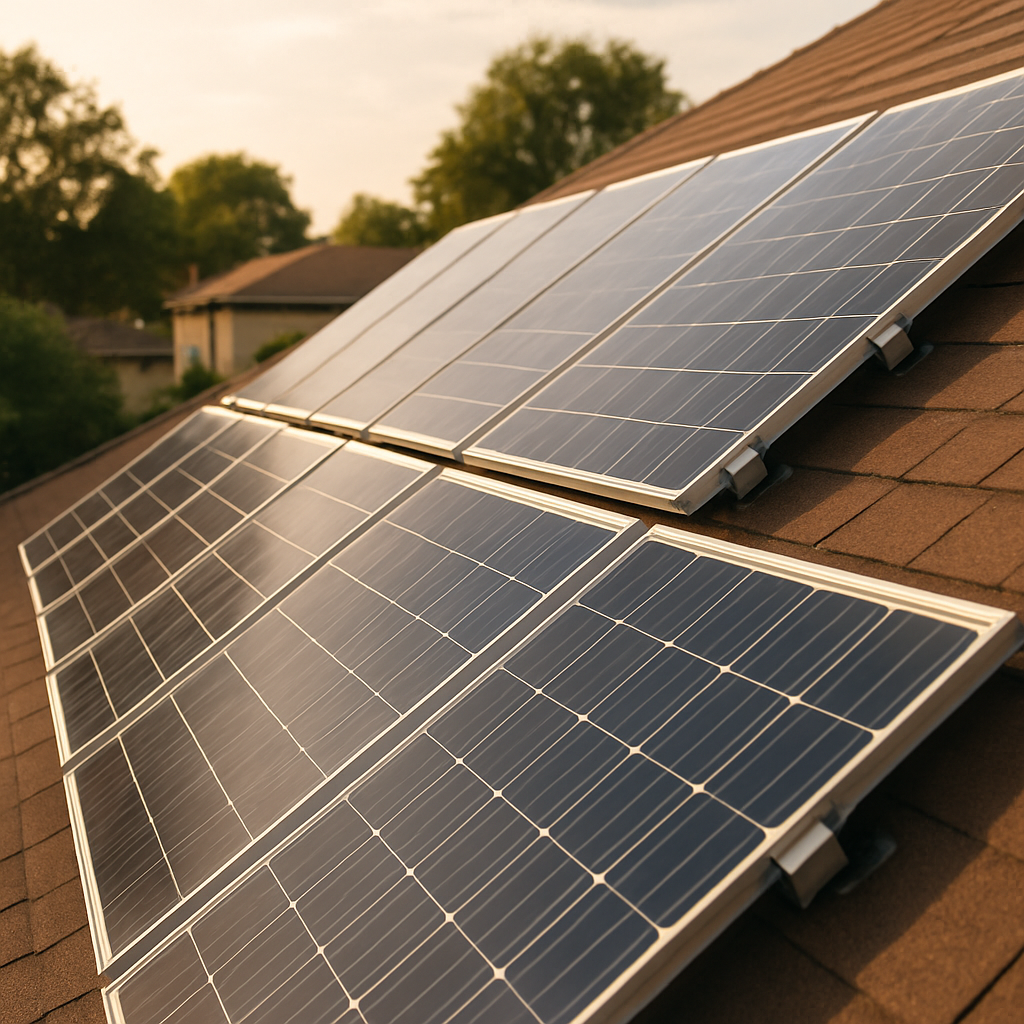
When panels are affected by shade, their output drops. In a traditional solar power system with a ‘string’ inverter, panels are linked together. If one panel is shaded, the performance of all other panels in that string is dragged down to the level of the lowest performer.
To solve this, you need technology that allows each panel to work independently. This is known as Module Level Power Electronics (MLPE), and it comes in two main forms:
-
Microinverters: A small inverter is installed on the back of every single solar panel. Each panel operates as its own mini power plant, converting DC power to usable AC power right on the roof. This means the poor performance of one panel has zero impact on the others.
-
Power Optimisers: Like microinverters, a small device is attached to each panel. However, instead of converting DC to AC on the spot, the optimiser conditions the DC electricity before sending it to a central string inverter. This also ensures that a shaded panel doesn’t affect the others in the string.
Both technologies dramatically improve system performance in partial shading and are the best solar and inverters solution for complex roofs common in Sydney’s leafy suburbs.
Microinverters vs power optimisers for shaded roofs
Deciding between microinverters and power optimisers often comes down to specific site conditions, budget, and long-term goals. From my analysis of hundreds of system designs, here’s a clear breakdown of the trade-offs.
| Feature | Microinverters (e.g., Enphase) | Power Optimisers (e.g., SolarEdge) |
|---|---|---|
| How it Works | Converts DC to AC at each panel. No central string inverter needed. | Conditions DC power at each panel, then sends it to a central string inverter for conversion. |
| Performance | Excellent shade tolerance. If one unit fails, the rest of the system continues to operate unaffected. | Excellent shade tolerance. A single point of failure at the central inverter will shut down the whole system. |
| Complexity | Simpler system design with no high-voltage DC wiring running through your roof space. | More components, including the central inverter and optimisers for each panel. |
| Cost | Generally the most expensive option upfront. | Typically more affordable than a full microinverter system but more expensive than a basic string inverter setup. |
| Warranty | Often come with a 15-year warranty, extendable to 25 years. | The central inverter usually has a 12-year warranty, while the optimisers have a 25-year warranty. |
Gigi’s Pro Tip: For roofs with extreme or moving shade from multiple trees, I often recommend microinverters. The complete independence of each panel provides a slight edge in maximising every last watt of sunlight throughout the day.
Top solar inverter brands for shade tolerance 2025
When investing in a solar power system for a shaded roof, relying on proven, high-quality brands is essential. In Australia, two names consistently stand out for their leadership in MLPE technology.
-
Enphase: The global leader in microinverter technology. Enphase is renowned for its reliability, safety, and excellent panel-level monitoring through its app. Their systems are highly regarded by installers and have a strong track record in the harsh Australian climate.
-
SolarEdge: The pioneer of the power optimiser and smart inverter system. SolarEdge offers a robust and slightly more cost-effective alternative to microinverters while delivering similar benefits in shade tolerance and individual panel monitoring. Their inverters come with a standard 12-year warranty, which is a strong indicator of quality.
-
SMA: While primarily a string inverter manufacturer, SMA’s innovative ShadeFix technology offers a software-based solution to mitigate the effects of light to medium shading. It’s a great feature for a standard string inverter, but for heavy or complex shading, Enphase or SolarEdge remain the superior hardware-based solutions.
Enphase IQ8 microinverters review Australia
I’ve closely followed the evolution of Enphase products, and their latest IQ8 series is a significant step forward for solar energy inverters.
The key innovation of the IQ8 microinverters is their “grid-forming” capability. This means that when paired with the Enphase IQ System Controller, they can create a microgrid during a blackout, allowing your panels to continue generating power for your home even when the grid is down—a feature that previously required a battery.
Key features for Sydney homeowners:
-
Superior Performance: Each microinverter operates independently, maximising energy harvest from every panel. This is ideal for roofs partially shaded by Sydney’s beautiful gum trees.
-
High Reliability: Enphase reports an extremely low failure rate of just 0.05% and backs its products with a 15-year warranty.
-
Enhanced Safety: Unlike string systems that run high-voltage DC power from the roof, Enphase converts it to standard AC power at the panel, which is inherently safer.
-
Future-Proof: The IQ8 series is designed to integrate seamlessly with battery storage, making it easy to add an Enphase battery later on.
The main consideration is cost; Enphase systems represent a premium investment. However, for those with complex or shaded roofs, the increased energy yield and reliability often justify the higher price.
SolarEdge HD-Wave with power optimisers review
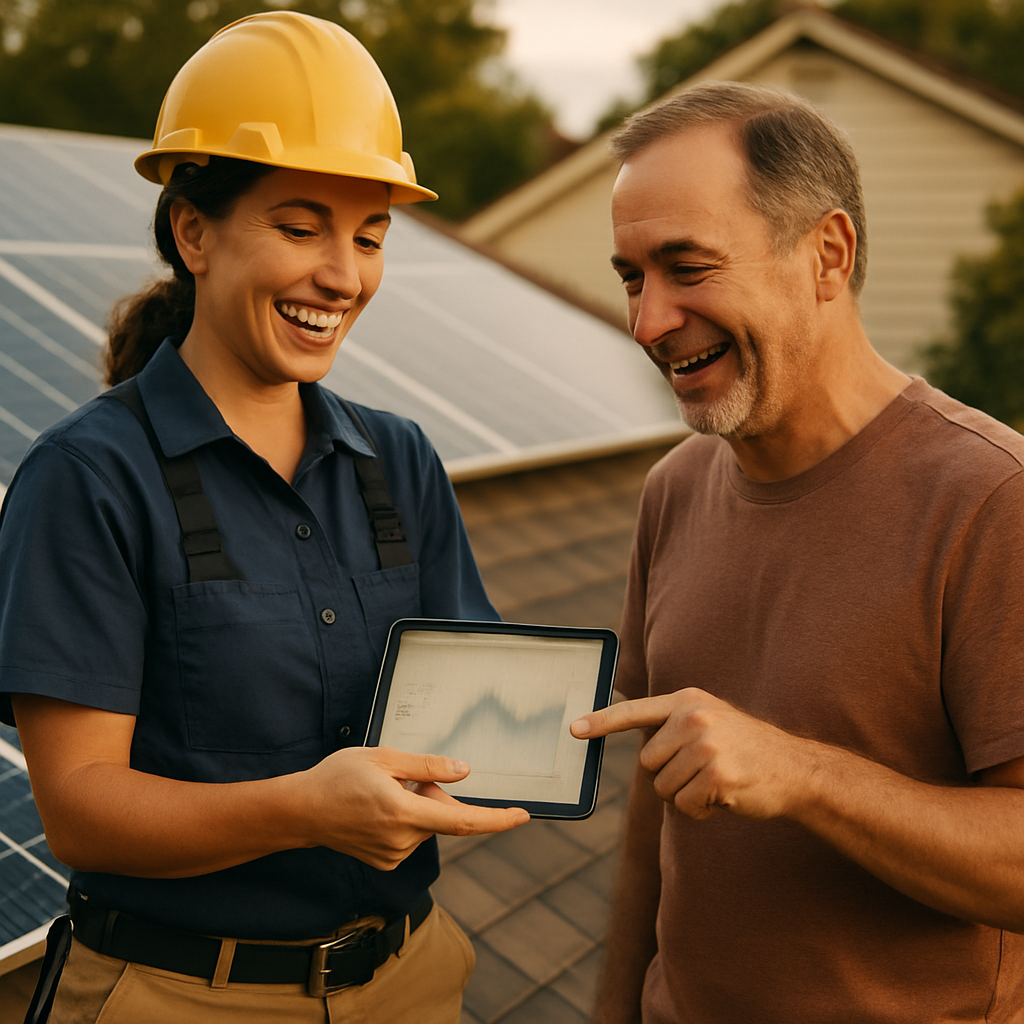
SolarEdge offers a compelling middle-ground, blending the panel-level benefits of MLPE with the architecture of a string inverter system. Their HD-Wave technology set a new standard for inverter size and efficiency upon release.
The system works by having a power optimiser attached to each panel, which then feeds optimised DC power to a highly efficient central HD-Wave inverter.
Key features for Sydney homeowners:
-
Excellent Shade Mitigation: The power optimisers ensure that the output of a shaded or soiled panel doesn’t negatively impact the rest of the array.
-
High Efficiency: The HD-Wave inverters boast a record-breaking efficiency of up to 99%, meaning very little energy is lost during the conversion from DC to AC power.
-
Flexible Design: Optimisers allow installers to place panels at different orientations and angles on complex roofs, which is perfect for many Sydney homes.
-
Great Warranties: SolarEdge provides a 12-year warranty on the inverter and a 25-year warranty on the power optimisers, offering fantastic long-term peace of mind.
A common mistake I see homeowners make is trying to cut costs on the inverter. The inverter is the hardest-working part of your solar system, and investing in a quality solution like SolarEdge for a shaded roof is a smart long-term decision.
Case Study: Beating Shade in Baulkham Hills The Nguyen family in Baulkham Hills had a beautiful backyard full of leafy trees, but it cast significant morning shade over their north-facing roof. Their initial quotes for standard string inverter systems showed poor performance projections. I connected them with a local expert who designed a 6.6kW system using REC panels and Enphase IQ8 microinverters for a total cost of around $8,500 after the federal rebate. Despite the shading, their system is outperforming initial estimates, slashing their quarterly power bills from over $550 to just the grid connection fee. Their annual savings are projected to be over $1,900, putting them on track for a payback period of under 5 years.
Best string inverters for shaded conditions
If your roof has only very light or predictable passing shade (for example, from a vent pipe or a slim antenna), a full microinverter or optimiser system may not be necessary. Some advanced string inverters now include sophisticated shade management software.
-
SMA Sunny Boy with ShadeFix: As mentioned, SMA’s ShadeFix is a built-in software that helps the inverter bypass shaded cells within a panel, minimising power loss. It’s one of the best software-based solutions on the market and comes standard with their highly reliable German-engineered inverters.
-
Fronius Primo with Dynamic Peak Manager: Fronius, another premium Austrian brand, uses an advanced algorithm called the Dynamic Peak Manager. This feature helps the inverter find the absolute best operating point for the panels even when shade is present, helping to recover energy that would otherwise be lost.
While these features improve performance, they are not a substitute for MLPE in cases of significant, persistent shading.
Solar panel installation cost for shaded roofs Sydney
Installing solar on a shaded or complex roof in Sydney costs more than a straightforward installation on an unshaded roof. This is due to the need for more advanced inverter technology and potentially more complex labour.
Here’s a general guide to what you can expect to pay for a fully installed, quality 6.6kW system in Sydney designed for shade tolerance:
| Technology | Estimated Cost Range (After Rebate) | Best For |
|---|---|---|
| Standard String Inverter | $4,500 – $7,000 | Unshaded, simple roofs. Not recommended for this scenario. |
| String Inverter with Power Optimisers | $6,000 – $8,500 | Moderate to heavy shading, complex roof layouts. |
| Microinverters | $7,000 – $9,500+ | Heavy or moving shade, desire for maximum safety and redundancy. |
Note: These prices are estimates and can vary based on the specific components chosen, installer, and complexity of the installation.
Accredited solar installers Sydney for complex roofs
For a complex installation on a shaded roof, choosing the right installer is even more critical than choosing the right hardware. An experienced installer will conduct a thorough site analysis, accurately model the impact of shade, and design a system that delivers the best possible output.
When searching for a professional, always insist on an installer who is accredited by Solar Accreditation Australia (SAA). SAA is the leading body ensuring installers meet the highest standards of safety, performance, and design in Australia. Avoid any company that cannot provide proof of their SAA accreditation.
A good installer will:
-
Provide a detailed performance estimate that accounts for shade patterns at different times of the day and year.
-
Explain the pros and cons of microinverters versus power optimisers for your specific roof.
-
Offer premium panel and inverter brands with strong Australian warranties and support.
-
Have outstanding customer reviews, particularly from clients with similar roof challenges.
Navigating the world of solar for a shaded roof can feel complicated, but the technology available today means almost any Sydney home can benefit from solar power.
If you’re feeling overwhelmed and want to make sure you get it right, I can help. I can connect you with a trusted local expert who specialises in complex and shaded solar installations—just fill out the form below for a no-obligation chat and a tailored quote.