Fast Read
Yes, you can add more solar panels to an existing system in Sydney, but it requires careful planning. The key steps involve getting approval from your electricity distributor (Ausgrid or Endeavour Energy), ensuring your inverter can handle the extra capacity, and using a Solar Accreditation Australia (SAA) accredited installer. Expect the cost to add a few panels and potentially upgrade your inverter to range from $2,500 to $6,000, while a full system replacement might be more cost-effective if your current setup is over 5-7 years old. A new 6.6kW system in Sydney costs between $4,500 and $9,000 after the federal STC rebate. It’s often not recommended to mix old and new panels on the same inverter due to efficiency losses.
Is adding more solar panels to an existing system in Sydney a good idea?
As our energy needs grow—thanks to that new electric vehicle, a pool pump, or a home office—it’s natural to look at your roof and wonder, “Can I add more solar panels?” The answer is a definite yes, but it’s not always a simple plug-and-play situation.
Expanding your home solar panels in Sydney is a fantastic way to increase your energy independence and slash your power bills even further. However, the process involves navigating distributor rules, technical compatibility, and finding the right installer. From my analysis, the decision to upgrade often comes down to the age of your current system, your budget, and your future energy goals.
Adding solar panels to an existing system with Ausgrid in Sydney
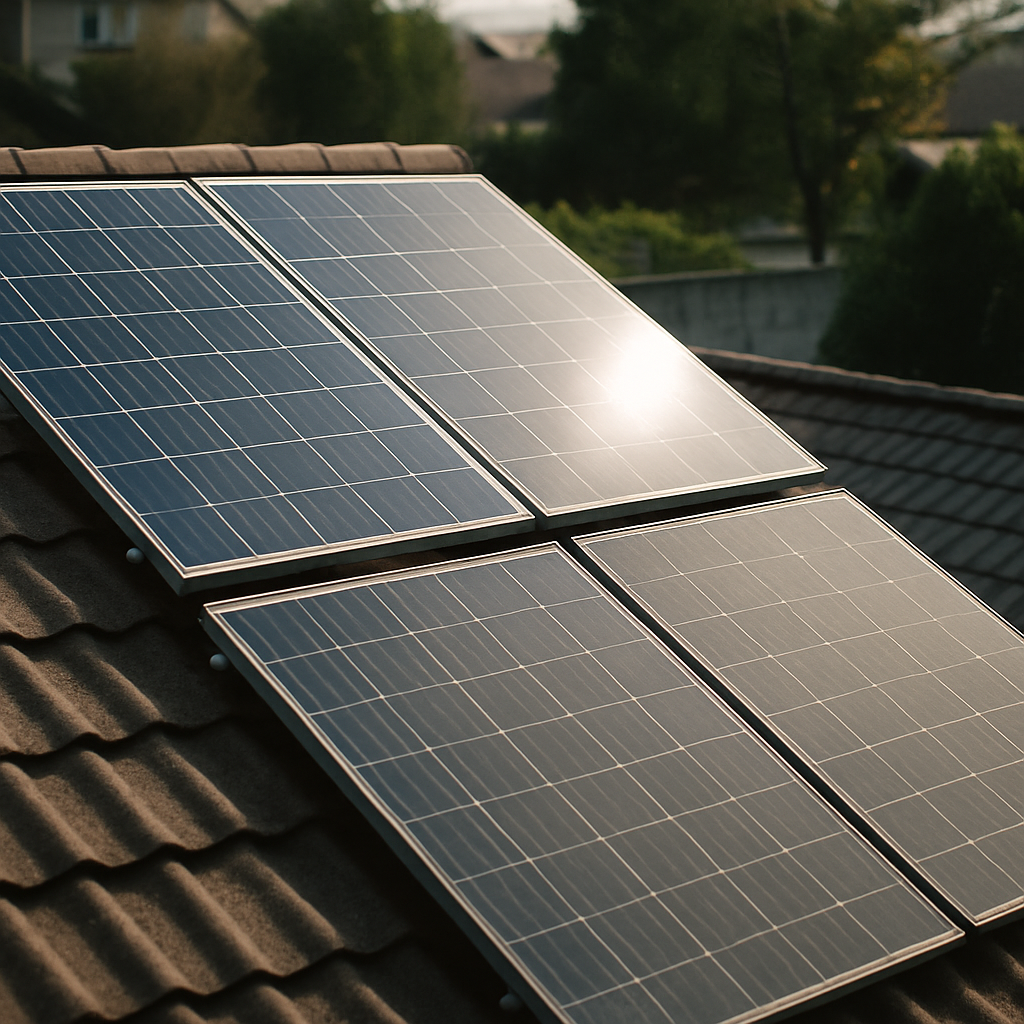
If you live in an area of Sydney serviced by Ausgrid, you must get their approval before upgrading your system. Ausgrid’s role is to ensure any additions won’t negatively impact the local grid’s safety and stability.
Here are the key things you need to know:
-
Application is Mandatory: Your SAA-accredited installer must submit an application to Ausgrid to modify your existing solar connection. This is not optional.
-
System Size Limits: For a straightforward approval process, the total inverter capacity is generally limited to 10kW per phase. Systems larger than this may require a more detailed technical review.
-
Accreditation Matters: Ausgrid is very clear that installers must be accredited by Solar Accreditation Australia (SAA). This is a critical check to ensure your installation is safe and compliant.
-
Mixing Panels: Ausgrid explicitly recommends against mixing old solar panels with new ones on the same inverter. This is due to potential performance issues.
Endeavour Energy solar system upgrade rules
For those in Western Sydney, the Blue Mountains, and the Illawarra region covered by Endeavour Energy, the rules for increasing your solar panel capacity are similar to Ausgrid’s.
Here’s a breakdown of their guidelines:
-
Get Permission First: You must apply for and receive a ‘Permission to Connect’ from Endeavour Energy before upgrading an existing system. For upgrades resulting in a total inverter capacity of up to 10kW for a single-phase home, this can often be done via a streamlined online application.
-
Inverter Capacity is Key: The limits are based on inverter capacity, not just the number of panels. For a single-phase property, you can typically install up to 10kW of inverter capacity. Your solar panel array can be up to one-third larger than the inverter’s capacity.
-
Export Limits: While you can install a larger system, single-phase homes are usually limited to exporting a maximum of 5kW of power to the grid. Inverters larger than this must be ‘export limited’.
-
Compliant Hardware: Endeavour Energy requires that any new or replacement inverters meet the latest Australian Standard (AS/NZS 4777.2:2020) and are on the approved products list.
NSW government and Clean Energy Council guidelines
The good news for homeowners is that the NSW Government has simplified the rules for home solar system expansion. In most cases, you won’t need council approval for a typical rooftop solar upgrade, especially if the total capacity remains under 10kW. However, if your home is a heritage-listed item, specific restrictions will apply.
All installations must be completed by a licensed electrician, and a Certificate of Compliance for Electrical Work (CCEW) must be issued to you, your distributor, and NSW Fair Trading.
While the Clean Energy Council (CEC) was the long-standing body for installer accreditation, the industry standard is now Solar Accreditation Australia (SAA). Ensuring your installer holds SAA accreditation is the best way to guarantee a compliant and high-quality upgrade.
Technical challenges: Mixing old and new solar panels

One of the most common questions I get is whether you can simply add new, high-efficiency panels next to older ones. While technically possible in some scenarios, it’s often a bad idea.
-
Efficiency Mismatch: Solar panels connected in a ‘string’ to an inverter perform only as well as the lowest-performing panel in that string. Adding a high-wattage new panel to a string of older, lower-wattage panels will drag its performance down, meaning you don’t get what you paid for.
-
Electrical Mismatches: Panels have different voltage and current characteristics. Mixing panels with mismatched electrical specs can lead to power loss and, in some cases, can stress the system or create a safety hazard.
-
Warranty Issues: Adding different brand panels to an existing array may void the warranty on your original panels or inverter.
Gigi’s Pro Tip: If your existing panels are still in good shape but you need more power, a better solution is to add a second, separate solar system. This involves installing a new inverter alongside your old one. This avoids all the technical issues of mixing panels and is often a surprisingly cost-effective way to expand.
Cost to add more solar panels vs. a new system in Sydney
Deciding whether to add to your existing system or replace it entirely is a major financial decision. A lot depends on the age and quality of your current setup.
| Scenario | Typical Cost Range (Sydney) | Key Considerations |
|---|---|---|
| Adding 2-4kW of Panels | $2,000 – $4,500 | Assumes your current inverter has spare capacity. Includes panels, mounting, and labour. |
| Adding Panels + Inverter Upgrade | $4,000 – $7,000 | Required if your inverter is too small or old. A new 5kW string inverter costs around $1,500 – $3,000 installed. |
| Brand New 6.6kW System | $4,500 – $9,000 | Includes new panels, new inverter, and a full 10-12 year warranty. Eligible for the full STC rebate. |
| Brand New 10kW System | $8,000 – $13,000 | For high-energy users, providing significant bill reduction and future-proofing for EVs and batteries. |
From my analysis of dozens of quotes, if your system is more than 7 years old, replacing it is often the smarter long-term investment. You get brand new warranties on all components, higher overall efficiency from modern panels like Trina or REC, and a system designed to work together perfectly. Plus, a new system qualifies for the full federal solar rebate (STCs), which significantly reduces the upfront cost.
Case Study: A Family in Penrith The Chen family’s five-year-old 3kW system couldn’t keep up after they bought an EV. They were quoted $3,500 to add another 3kW of panels, but their old inverter wasn’t compatible, requiring an additional $2,500 for a replacement. Instead, they opted for a brand new 10kW system with Jinko panels and a Sungrow inverter for $9,800. After the STC rebate of around $3,280, their out-of-pocket cost was $6,520. Their quarterly bills have dropped from over $500 to just the grid connection fee, and they are now saving over $2,000 a year, giving them a payback period of just over 3 years.
Finding a qualified installer for your solar system expansion in Sydney
Not every solar company is equipped or willing to handle upgrades. Many prefer the simplicity of installing brand new systems. When searching for an installer, you need someone with specific expertise in system modifications.
Here’s what to look for:
-
SAA Accreditation: This is non-negotiable. Verify their accreditation on the Solar Accreditation Australia website.
-
Specialises in Upgrades: Look for companies that explicitly mention system upgrades, repairs, and maintenance. Companies like Solar Uptime and Platinum Solar Group in Sydney highlight their experience with existing systems.
-
Distributor Knowledge: A good installer will be deeply familiar with the application processes for Ausgrid and Endeavour Energy and will handle all that paperwork for you.
-
Honest Assessment: The best installers will give you a transparent assessment of whether an upgrade or a full replacement is the better option for your specific situation, rather than just pushing for the easiest sale.
Expanding your solar system is a smart move for many Sydney homeowners. With the right advice and a qualified installer, you can increase your solar savings and further reduce your reliance on the grid.
If you’re feeling overwhelmed and want to make sure you’re making the right choice, I can connect you with a trusted local expert who specialises in solar system upgrades. They can provide a tailored quote and guide you through the process.