Fast Read
In Brisbane, the price of a good quality 6.6kW solar system in 2025 typically ranges from $5,000 to $8,500 after the federal government rebate is applied. The final cost depends on the quality of the panels and inverter you choose, and the complexity of your installation. While cheaper systems are advertised, investing in quality components from a reputable installer ensures better long-term savings and reliability.
The average 6.6kW solar system price Brisbane homeowners can expect in 2025
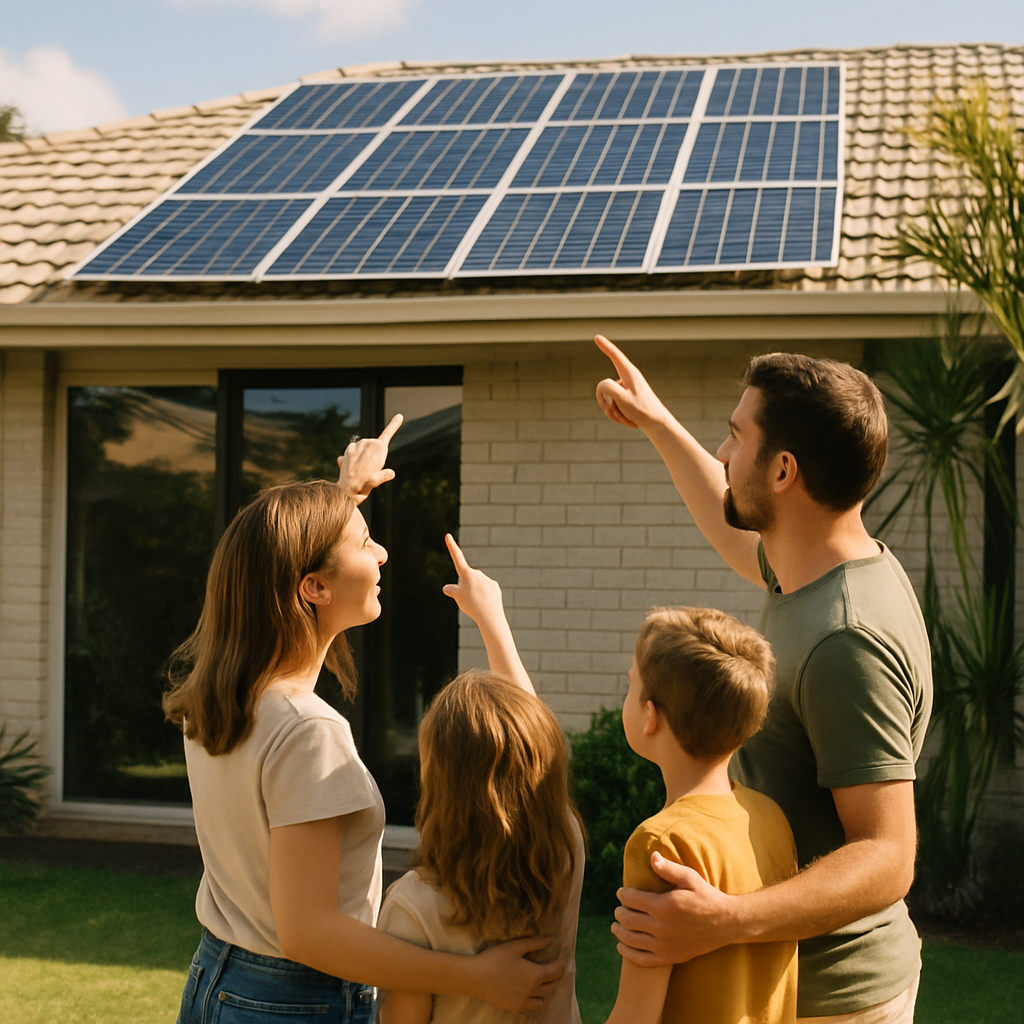
Navigating the world of solar pricing can feel a bit overwhelming, but I’m here to break it down for you. For a typical 6.6kW solar system in Brisbane, you can expect the price to be somewhere between $5,000 and $8,500. Some quotes might even go up to $10,000 for premium brands.
Why the big range? It really comes down to three main things:
- Component quality: The brands of solar panels and, just as importantly, the inverter you choose. European-made inverters like Fronius tend to be at the higher end of the price scale compared to quality Chinese-made inverters like Sungrow.
- Installer reputation: A well-established local installer with in-house, accredited technicians might charge more than a sales company that subcontracts the work, but you’re paying for quality workmanship and reliable after-sales support.
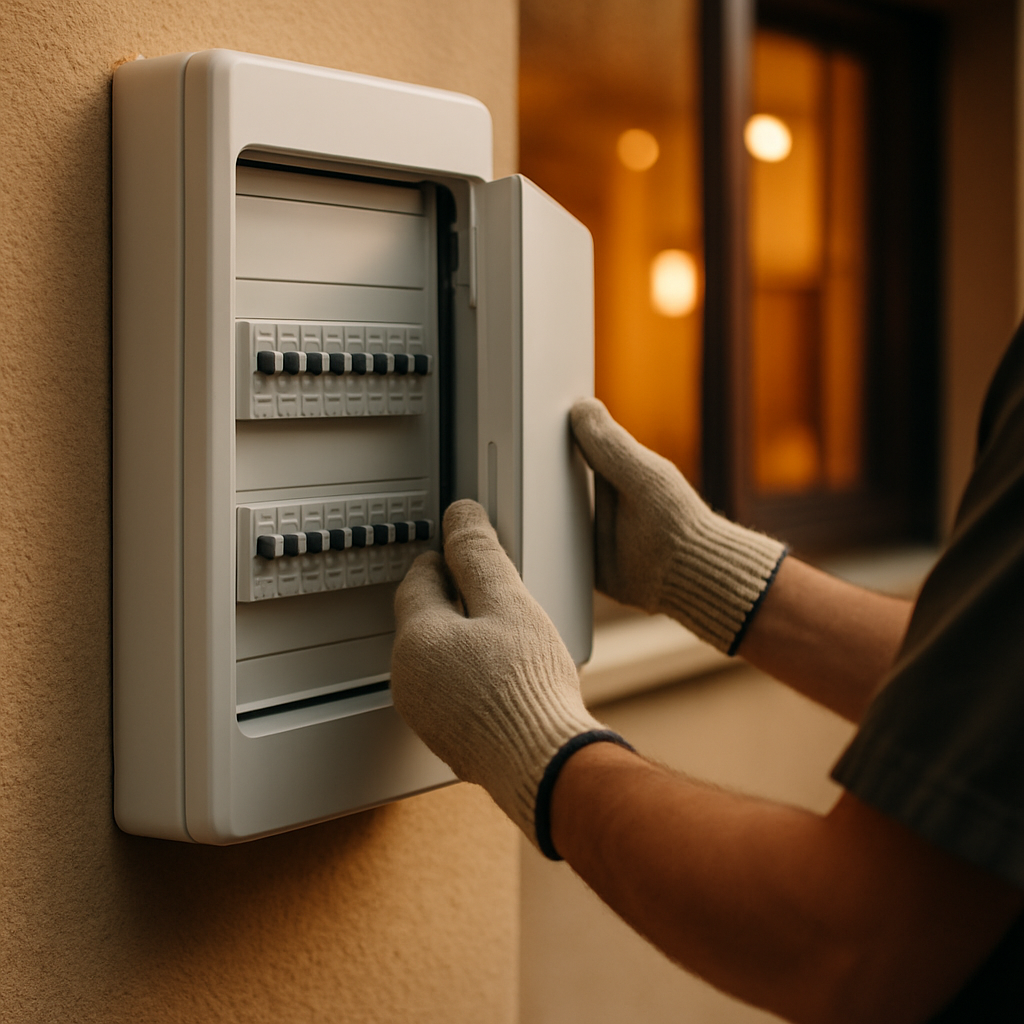
- Installation complexity: The cost can be influenced by factors like if you have a two-storey house, a tiled roof (terracotta tiles can be more complex), or if your switchboard needs upgrading to meet current safety standards.
While you might see ads for systems under $4,000, it’s wise to be cautious. These often use lower-tier components and may come with a shorter lifespan and less reliable performance, which can cost you more in the long run.
How government rebates reduce your upfront cost
The main incentive available to Brisbane homeowners is the federal government’s Small-scale Renewable Energy Scheme (SRES). This isn’t a cash rebate but rather an upfront discount on your system’s price.
Here’s how it works:
- Your solar system is eligible for a certain number of Small-scale Technology Certificates (STCs).
- The number of STCs depends on your system’s size and your location (Brisbane’s sunny climate gets a good rating!).
- Your solar installer claims these certificates for you and applies the value as a discount on your final bill. You just pay the remaining out-of-pocket cost.
For a 6.6kW system in Brisbane, this discount is significant, often reducing the total cost by around $2,000 to $2,500. This federal incentive is slowly being phased out and will end in 2030, with the rebate value decreasing slightly each year.
Why system quality matters: budget vs. premium packages
When you get quotes, you’ll see different packages at different price points. A system at the lower end of the price range (around $4,500 – $6,000) will likely include reliable, large-scale manufactured panels (like Jinko or Longi) and a quality string inverter (like Sungrow).
A premium system (costing $7,000 or more) might feature a top-tier European inverter like Fronius, known for its reliability and performance, paired with high-efficiency panels. A 6.6kW system with a Fronius inverter is a popular choice for those looking for a top-quality setup.
Gigi’s pro tip: The inverter is the hardest-working part of your solar system, converting the DC power from your panels into AC power your home can use. It’s often worth investing a little more in a high-quality inverter with a strong warranty (10 years is great) for peace of mind.
If you’re also considering a battery, a 6.6kW solar system with a medium-sized battery (around 10kWh) can cost between $12,000 and $25,000+ fully installed. From July 2025, a new federal battery rebate program may help reduce this cost, offering a discount per kWh of battery capacity.
How many panels are in a 6.6kW system?
A 6.6kW solar system is made up of the total wattage of all the panels, not a set number of panels. With modern solar panels typically ranging from 370W to 440W, a 6.6kW system will usually have between 15 and 18 panels. Using more powerful panels means you’ll need fewer of them, which can be useful if you have limited roof space. A typical 6.6kW system requires about 32-38 square metres of roof area.
You might notice that your 6.6kW of panels are paired with a 5kW inverter. This is completely normal and very common in Australia. It’s called oversizing, and it allows the system to produce more power in the early morning and late afternoon, and perform better on overcast days, maximising your overall energy generation.
Understanding solar feed-in tariffs in Brisbane
When your solar system produces more electricity than your home is using, the excess power is sent back to the grid. Your electricity retailer pays you a small credit for this power, which is called a feed-in tariff (FiT).
In South East Queensland, including Brisbane, feed-in tariffs are not regulated by the government. This means retailers compete and offer different rates, which can range anywhere from 4c to 10c per kWh. It’s really important to shop around for a plan with a good FiT, as it can make a big difference to your savings.
Cost reality check: The key to saving money with solar is to use as much of your own generated power as possible during the day. This is because the rate you pay for electricity from the grid (around 25-30c per kWh) is much higher than the feed-in tariff you receive for exporting it.
With a well-sized 6.6kW system, a Brisbane household can typically save between $1,200 and $2,000 a year on their electricity bills, leading to a payback period of around 3 to 5 years.
How to choose a trusted Brisbane solar installer
Choosing the right installer is just as important as choosing the right panels. Here are a few things I always tell people to check:
- SAA Accreditation: Ensure your installer is accredited with Solar Accreditation Australia (SAA). This is the current industry standard and a requirement to be eligible for government rebates. Do not rely on the outdated Clean Energy Council (CEC) accreditation for new installations.
- Local Experience: A local Brisbane company will understand specific council requirements and the Energex network rules.
- In-house Team: Ask if they use their own team of installers or if they subcontract the work. In-house teams often lead to better quality control and accountability.
- Warranties: Check the workmanship warranty offered by the installer (at least 5-10 years is a good sign), in addition to the manufacturer warranties on the panels and inverter.
I hope this has helped clear up the costs and considerations for getting a 6.6kW solar system in Brisbane. It’s a fantastic investment in lowering your bills and making your home more sustainable.
If you’re ready for a proper quote, I can introduce you to a trusted, SAA-accredited local expert—just fill out the form below. For a quick, personalised estimate of solar costs and savings for your home, you can also try the free solar assistant on this page.