Fast Read
For many Brisbane homes, a 10kW solar system is the perfect size, but for others, it can definitely be too big. The deciding factor isn’t your house size; it’s your electricity consumption and your connection to the grid. A 10kW home solar energy system is ideal for households using over 30 kWh per day—think families with ducted air-conditioning, a pool pump, or an electric vehicle. While a quality 10kW system with Trina or Jinko panels costs between $8,000 and $12,000 in Brisbane and can generate around 42 kWh of solar energy for your home daily, there’s a catch. Most homes have a single-phase power connection, and the network distributor, Energex, limits solar export to 5kW. Therefore, a 10kW system makes the most financial sense when you can use most of the energy it produces during the day.
How much electricity does a typical Brisbane home use?
Before we can figure out if a 10kW solar system is too big, we first need a baseline for energy use. I’ve analysed the data, and it’s clear that there’s a huge variation in household consumption across Brisbane.
According to the Australian Energy Regulator, the average Brisbane household of 2.6 people uses around 15-17 kWh of electricity per day. For a home like this, a 10kW system would be excessive. A standard 6.6kW system would be a much better fit.
However, many Brisbane households are anything but average. Your daily usage might be much higher if you regularly use:
-
Ducted air conditioning throughout summer.
-
A pool pump, especially an older, single-speed one.
-
Multiple refrigerators or a deep freezer.
-
Electric hot water systems.
For these high-energy households, daily consumption can easily be 30 kWh, 40 kWh, or even more. It’s for these homes that a 10kW solar energy system for the home starts to make perfect sense.
How much power does a 10kW solar system actually generate in Brisbane?
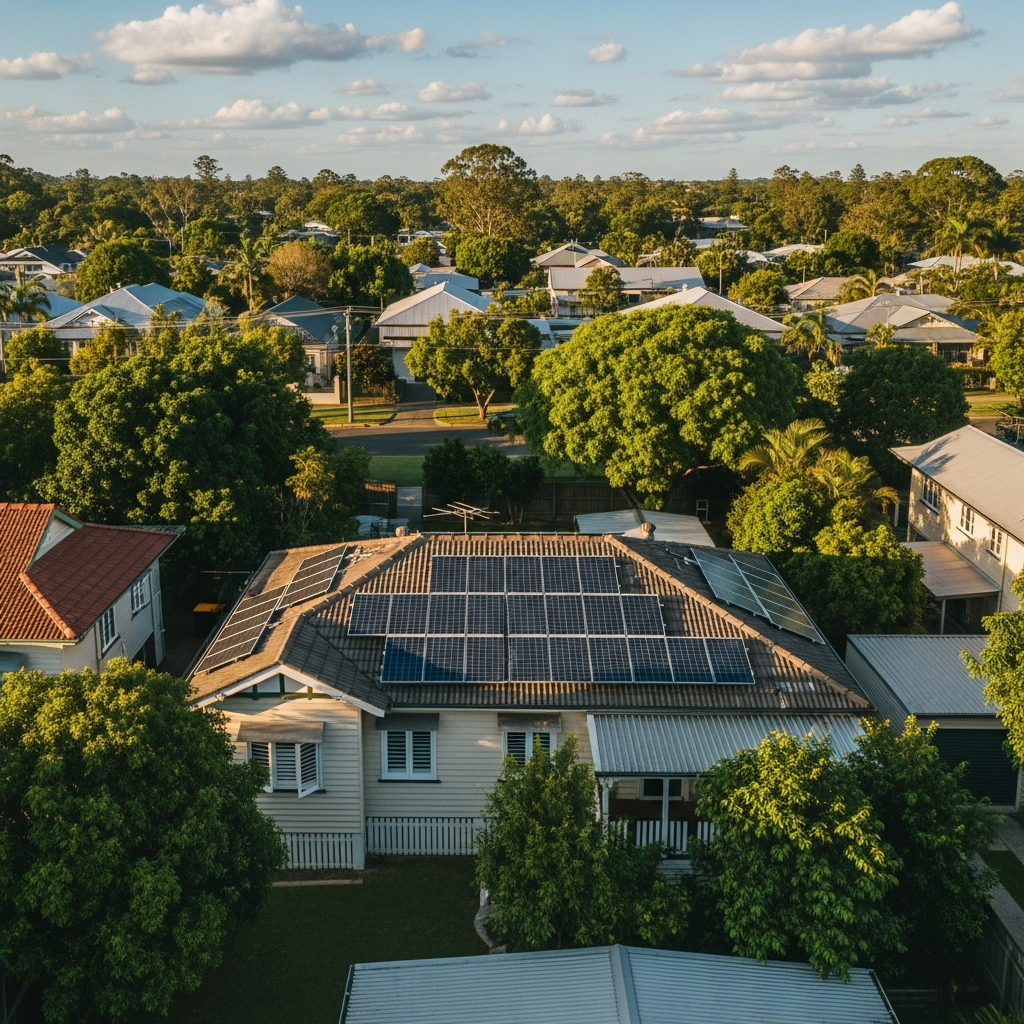
Thanks to our abundant sunshine, Brisbane is one of the best cities in Australia for solar power. A well-designed 10kW solar system will, on average, generate around 42 kWh of electricity per day over the course of a year.
Of course, this output changes with the seasons. Your production will be higher in the long, clear days of summer and lower during overcast days in winter.
| Season | Estimated Average Daily Generation (10kW System) |
|---|---|
| Summer | 45 – 55 kWh |
| Autumn | 40 – 48 kWh |
| Winter | 30 – 38 kWh |
| Spring | 42 – 50 kWh |
As you can see, a 10kW system produces a serious amount of power, far more than the average home consumes. The key to making it work is using that power or having a plan for the excess.
Do I have enough roof space for a 10kW system?
This is a common and very practical question. A 10kW system is large, and it needs a decent amount of roof real estate.
Here’s a quick breakdown:
-
Panel Wattage: Most modern, high-quality solar panels from brands like REC or Trina are rated between 415W and 440W.
-
Number of Panels: To create a 10kW system, you’ll need approximately 23 to 24 of these panels.
-
Panel Dimensions: A typical residential panel is about 1.8 metres by 1.1 metres.
-
Total Area Required: You will need between 45 and 55 square metres of suitable, unshaded roof space.
The average Australian roof is between 180 and 220 square metres, so most standalone houses in Brisbane have enough total space. The challenge is finding a large, continuous section that is north-facing and free from shade from trees, antennas, or neighbouring buildings. Gigi’s Pro Tip:Don’t just measure your total roof area. AnSAA-accredited installerwill perform a detailed analysis of your roof planes to ensure the panels can be positioned for optimal sun exposure throughout the day, which is crucial for maximising your system’s output.
The most important factor: Understanding Energex export limits
This is the single most important technical detail to understand when considering if a 10kW solar system is too big for your Brisbane home. In Southeast Queensland, the electricity network is managed by Energex, and they have strict rules about how much excess solar power you can send back to the grid.
For most residential properties with a standard single-phase connection, Energex limits your solar export to 5kW at any given moment.
What does this mean in practice?
-
You can install a 10kW system of solar panels on your roof.
-
Your system can generate up to 10kW of power for you to use in your home.
-
However, your inverter will be configured to never send more than 5kW of unused power back to the grid.
This is why self-consumption is so critical. If your home is using 4kW of power at midday and your system is producing 10kW, you can only export 5kW. The remaining 1kW of potential generation is “clipped” or lost. But if your pool pump and air con turn on and your home’s usage jumps to 7kW, you use all of that solar power yourself and still export 3kW to the grid.
Some areas are now eligible for “dynamic export limits,” which can allow you to export between 1.5kW and 10kW depending on how congested the local grid is at that moment. This offers more flexibility but is not yet available everywhere.
Are Brisbane’s solar feed-in tariffs still worth it?
A decade ago, generous feed-in tariffs (the rate you’re paid for exporting energy) could make a large system pay for itself quickly. Today, the situation is very different.
In 2025, you can expect a feed-in tariff from Brisbane energy retailers to be somewhere between 5 and 10 cents per kWh. Some plans offer a higher rate for the first 8-10 kWh exported each day before dropping to a lower rate.
The real value of solar energy at home is not in the export earnings; it’s in the savings. Every kilowatt-hour of solar power you use yourself is a kilowatt-hour you don’t have to buy from the grid at the retail rate, which is currently around 33 cents per kWh.
-
Value of Exported Solar: ~8c / kWh
-
Value of Self-Consumed Solar: ~33c / kWh
Using your own solar power is more than four times as valuable as selling it.
Matching your lifestyle to your solar generation
To make a 10kW system financially viable, you need to become a “solar sponge,” soaking up as much of that daytime generation as possible. This often means making small adjustments to your daily routines.
The goal is to shift your heavy electricity usage from the evening peak to the middle of the day when the sun is shining.
-
Use timers on your dishwasher, washing machine, and clothes dryer to run them between 10 am and 3 pm.
-
Run your pool pump during the sunniest part of the day.
-
If you have an electric hot water system, get a timer installed so it heats during the day using free solar energy.
-
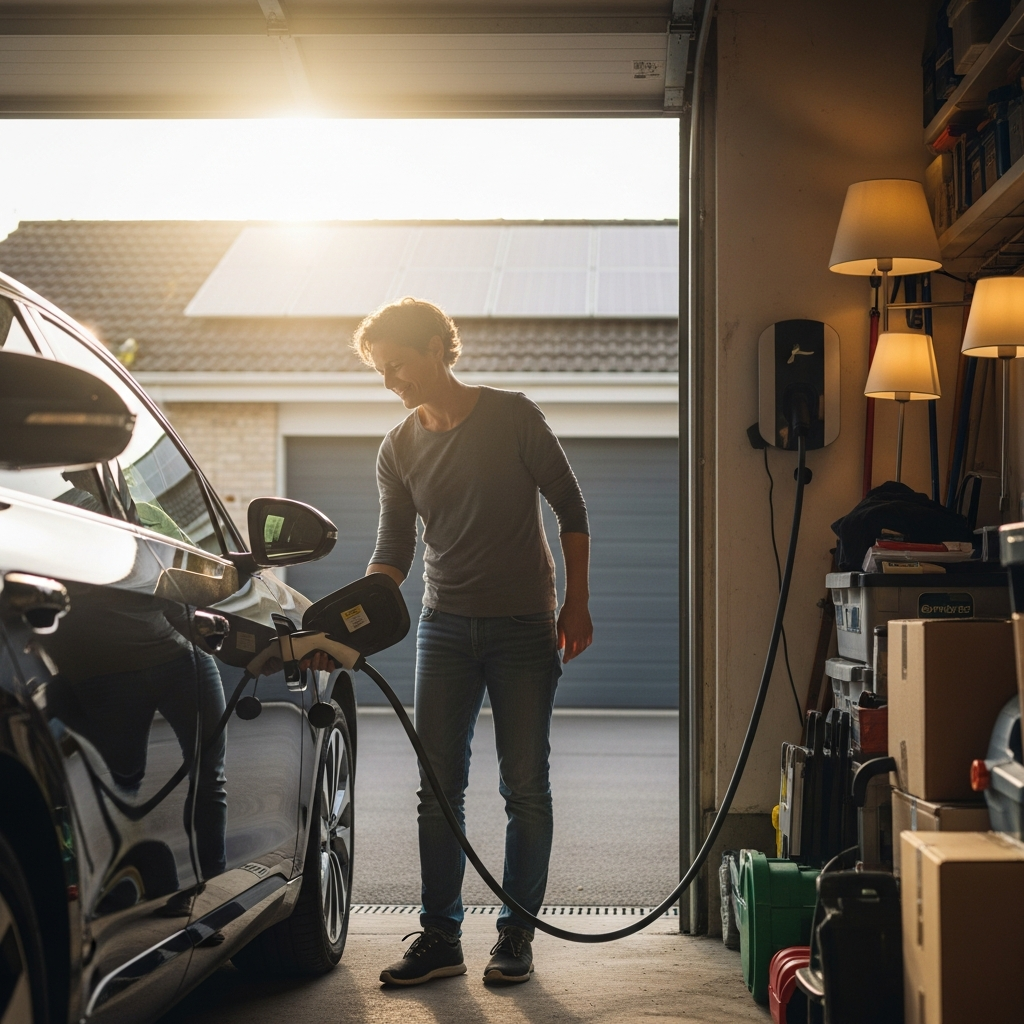
If you work from home or have an EV, charge your devices and your car in the middle of the day.
Is a 10kW solar system too big for Brisbane homes? The final verdict
A 10kW home solar energy system is not automatically right or wrong; it’s a strategic choice based entirely on your energy profile.
| Your Household Profile | Verdict on a 10kW System | Recommendation |
|---|---|---|
| Low Energy User (Under 20 kWh/day) | Too Big. You won’t use enough power during the day. You’ll export a huge amount for a low return, extending your payback period. | A 6.6kW solar system is likely a much more cost-effective choice for your needs. |
| High Energy User (Over 30 kWh/day) | Just Right. You can self-consume a large portion of the generated power, leading to massive bill reductions and a fast payback period. | This is the ideal system size, especially if you plan to add a battery or a second EV in the future. |
Case Study: A Family in The Gap, Brisbane The Kumar family were struggling with quarterly power bills over $700, thanks to their pool and ducted air conditioning. They installed a 10.4kW system using Trina panels and a Sungrow inverter for $9,800 after the federal rebate. By shifting their pool pump and laundry cycles to run during the day, they now self-consume over 60% of the solar energy they generate. Their annual savings are over $2,600, putting them on track for a payback period of well under 5 years. Their last summer electricity bill was just the daily grid connection fee.
A 10kW solar system is a powerful investment. For the right Brisbane home, it’s not “too big”—it’s a ticket to dramatically lower bills and energy independence. The key is to analyse your consumption honestly and work with a professional who can design a system that matches your specific needs.